

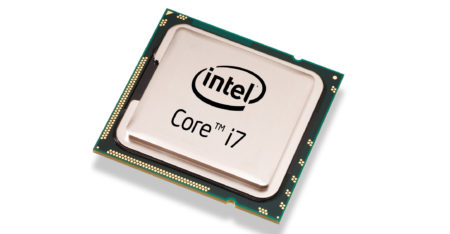
Intel’s first forecasts for 2019 sent a signal to investors that a torrent of spending on data centres, which has nourished sales and earnings growth for years, is beginning to dry up.
Intel’s first forecasts for 2019 sent a signal to investors that a torrent of spending on data centres, which has nourished sales and earnings growth for years, is beginning to dry up.

Apple didn’t mind paying a modest technology fee to Qualcomm when it first launched the iPhone, but times have changed.
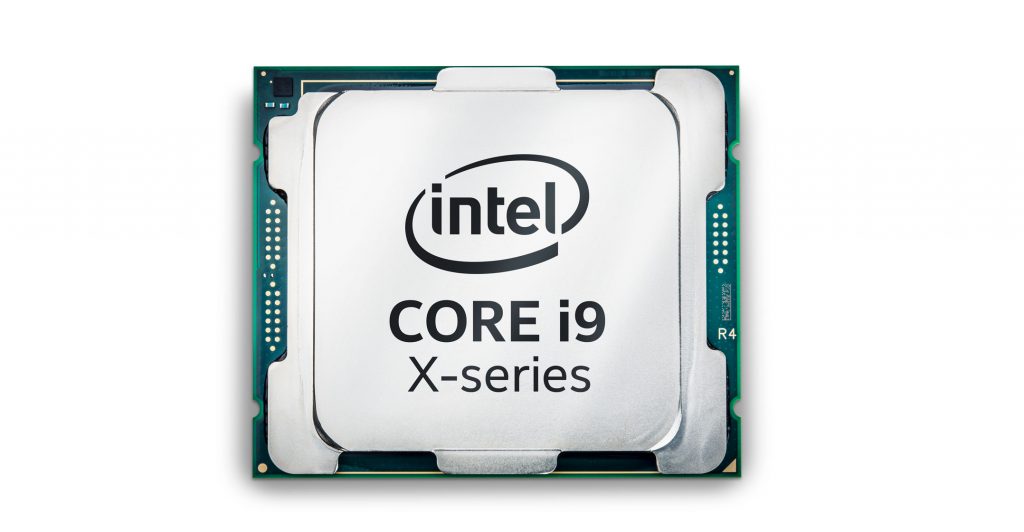
Intel has been trying to fill the most prominent role in the $400-billion chip industry for more than six months. The company’s board still hasn’t found what it’s looking for.

Every year, the technology industry gathers in Las Vegas for the Consumer Electronics Show (CES), an event that often sets the agenda for the coming 12 months.
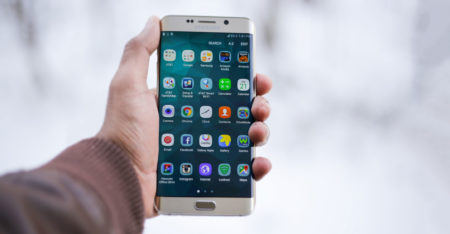
The smartphone market is following the growth-challenged path of PCs. That won’t please executives at Samsung Electronics and Apple, but their pain might be great for consumers.
Huawei Technologies unveiled a new processor chip for servers as the Chinese telecommunications gear giant pushes ahead with expansion despite closer scrutiny from abroad.
Artificial intelligence created by Intel is to be used in cameras to detect poachers entering wildlife reserves and alert park rangers before they can kill endangered animals.

A UK start-up that designs semiconductors used for artificial intelligence applications has raised $200-million from investors including BMW and Microsoft.
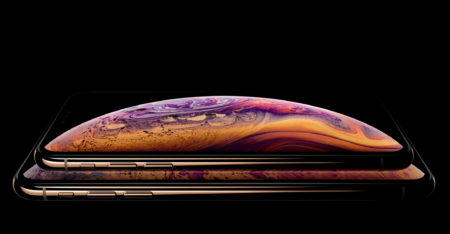
Apple plans to hold off until at least 2020 before offering an iPhone that can connect to the next generation of high-speed phone services coming next year, according to people familiar with its plans.
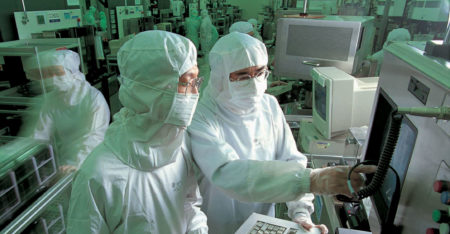
For more than 30 years, Intel has dominated chip-making, producing the most important component in the bulk of the world’s computers. That run is now under threat.