
Close Menu
TechCentralTechCentral

    Subscribe to the newsletter

    Get the best South African technology news and analysis delivered to your e-mail inbox every morning.

    Facebook X (Twitter) YouTube LinkedIn
    WhatsApp Facebook X (Twitter) LinkedIn YouTube
    TechCentralTechCentral
    • News
      The real reason Absa wrote off R2.4-billion in software - Johnson Idesoh

      The real reason Absa wrote off R2.4-billion in software

      27 March 2026
      MTN Group shakes up board with five new directors

      MTN Group shakes up board with five new directors

      27 March 2026
      Anoosh Rooplal

      TCS | Anoosh Rooplal on the Post Office’s last stand

      27 March 2026
      Global crackdown on children's screen time gathers pace

      Global crackdown on children’s screen time gathers pace

      27 March 2026
      Big Tech's Big Tobacco moment has arrived

      Big Tech’s Big Tobacco moment has arrived

      27 March 2026
    • World

      Apple plans to open Siri to rival AI services

      27 March 2026
      It's official: ads are coming to ChatGPT

      It’s official: ads are coming to ChatGPT

      23 March 2026
      Mystery Chinese AI model revealed to be Xiaomi's

      Mystery Chinese AI model revealed to be Xiaomi’s

      19 March 2026
      A mystery AI model has developers buzzing

      A mystery AI model has developers buzzing

      18 March 2026
      Samsung's trifold gamble ends in retreat

      Samsung’s trifold gamble ends in retreat

      17 March 2026
    • In-depth
      The last generation of coders

      The last generation of coders

      18 February 2026
      Sentech is in dire straits

      Sentech is in dire straits

      10 February 2026
      How liberalisation is rewiring South Africa's power sector

      How liberalisation is rewiring South Africa’s power sector

      21 January 2026
      The top-performing South African tech shares of 2025

      The top-performing South African tech shares of 2025

      12 January 2026
      Digital authoritarianism grows as African states normalise internet blackouts

      Digital authoritarianism grows as African states normalise internet blackouts

      19 December 2025
    • TCS
      Meet the CIO | HealthBridge CTO Anton Fatti on the future of digital health

      Meet the CIO | Healthbridge CTO Anton Fatti on the future of digital health

      23 March 2026
      TCS+ | Arctic Wolf unpacks the evolving threat landscape for SA businesses - Clare Loveridge and Jason Oehley

      TCS+ | Arctic Wolf unpacks the evolving threat landscape for SA businesses

      19 March 2026
      TCS+ | Vox Kiwi: a wireless solution promising a fibre-like experience - Theo van Zyl

      TCS+ | Vox Kiwi: a wireless solution promising a fibre-like experience

      13 March 2026
      TCS+ | Flipping the narrative on AI in the Global South - Josefin Rosén

      TCS+ | Flipping the narrative on AI in the Global South

      13 March 2026
      TCS | Sink or swim? Antony Makins on how AI is rewriting the rules of work

      TCS | Sink or swim? Antony Makins on how AI is rewriting the rules of work

      5 March 2026
    • Opinion
      South Africa's energy future hinges on getting wheeling right - Aishah Gire

      South Africa’s energy future hinges on getting wheeling right

      10 March 2026
      Hold the doom: the case for a South African comeback - Duncan McLeod

      Apple just dropped a bomb on the Windows world

      5 March 2026
      VC's centre of gravity is shifting - and South Africa is in the frame - Alison Collier

      VC’s centre of gravity is shifting – and South Africa is in the frame

      3 March 2026
      Hold the doom: the case for a South African comeback - Duncan McLeod

      Hold the doom: the case for a South African comeback

      26 February 2026
      The AI fraud crisis your bank is not ready for - Andries Maritz

      The AI fraud crisis your bank is not ready for

      18 February 2026
    • Company Hubs
      • 1Stream
      • Africa Data Centres
      • AfriGIS
      • Altron Digital Business
      • Altron Document Solutions
      • Altron Group
      • Arctic Wolf
      • Ascent Technology
      • AvertITD
      • Braintree
      • CallMiner
      • CambriLearn
      • CYBER1 Solutions
      • Digicloud Africa
      • Digimune
      • Domains.co.za
      • ESET
      • Euphoria Telecom
      • HOSTAFRICA
      • Incredible Business
      • iONLINE
      • IQbusiness
      • Iris Network Systems
      • LSD Open
      • Mitel
      • NEC XON
      • Netstar
      • Network Platforms
      • Next DLP
      • Ovations
      • Paracon
      • Paratus
      • Q-KON
      • SevenC
      • SkyWire
      • Solid8 Technologies
      • Telit Cinterion
      • Telviva
      • Tenable
      • Vertiv
      • Videri Digital
      • Vodacom Business
      • Wipro
      • Workday
      • XLink
    • Sections
      • AI and machine learning
      • Banking
      • Broadcasting and Media
      • Cloud services
      • Contact centres and CX
      • Cryptocurrencies
      • Education and skills
      • Electronics and hardware
      • Energy and sustainability
      • Enterprise software
      • Financial services
      • HealthTech
      • Information security
      • Internet and connectivity
      • Internet of Things
      • Investment
      • IT services
      • Lifestyle
      • Motoring
      • Policy and regulation
      • Public sector
      • Retail and e-commerce
      • Satellite communications
      • Science
      • SMEs and start-ups
      • Social media
      • Talent and leadership
      • Telecoms
    • Events
    • Advertise
    TechCentralTechCentral
    Home » Sections » Electronics and hardware » The AI PC: genuinely useful or just vendor hype?

    The AI PC: genuinely useful or just vendor hype?

    Technology companies from Microsoft to Qualcomm are embarking on a marketing blitz for a new type of computer.
    By Agency Staff9 July 2024
    Twitter LinkedIn Facebook WhatsApp Email Telegram Copy Link
    News Alerts
    WhatsApp

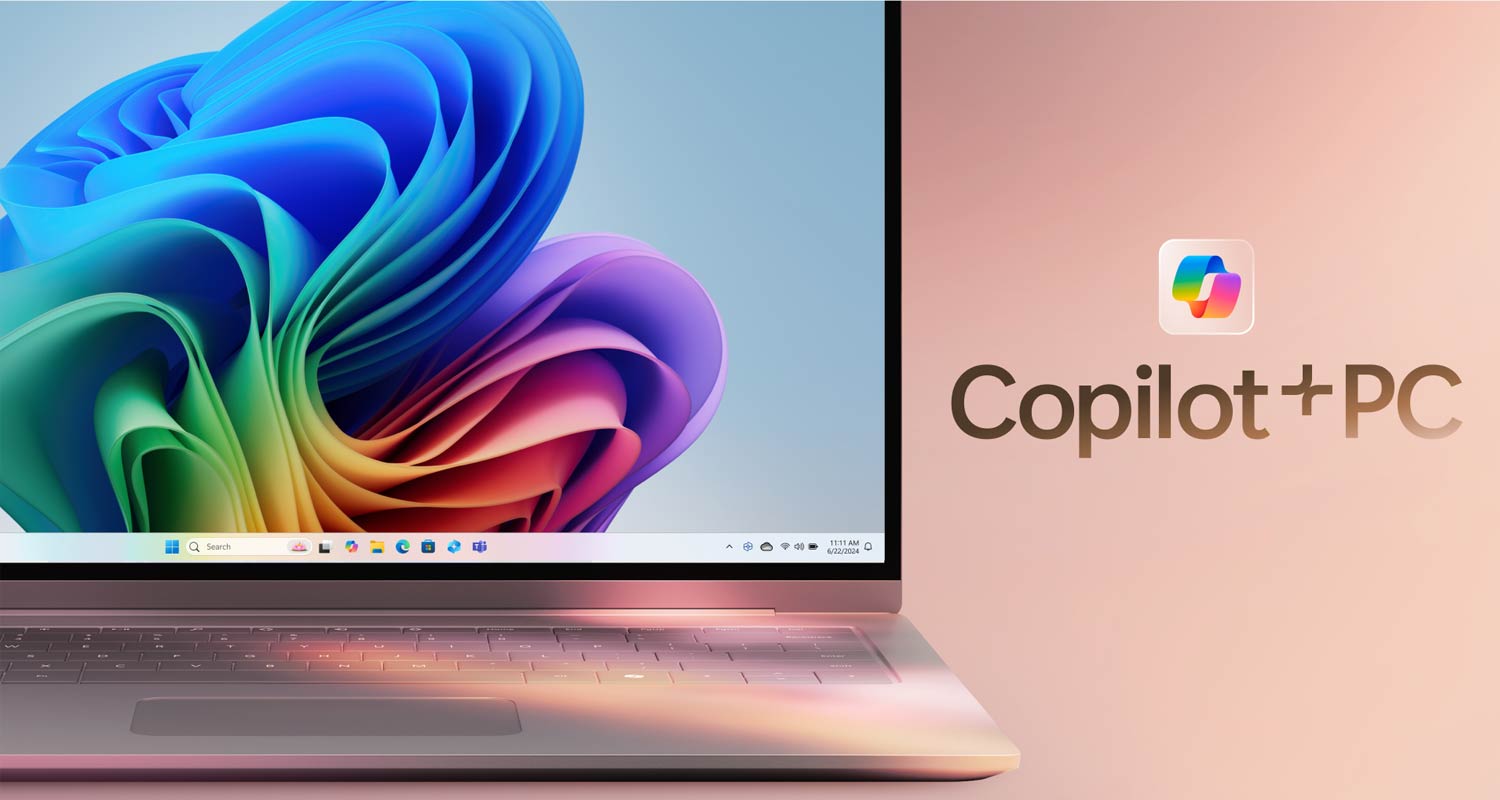
    The AI PC: genuinely useful or just vendor hype?Technology companies from Microsoft to Qualcomm are embarking on a marketing blitz for a new type of computer they are dubbing “AI PCs”, promising artificial intelligence features embedded in their laptops and desktops.

    The new laptops differ from standard devices with the inclusion of an additional processor that’s tailored to speed up AI features like personal assistants and the ability to automate tasks.

    But only 3% of PCs shipped this year will meet Microsoft’s processing power threshold to be considered an AI PC, according to industry research firm IDC. To persuade consumers and corporations that it’s time to buy, the industry will need to offer a wider variety of the PCs and deliver software that takes advantage of the new hardware.

    For now, available AI features are largely gimmicks, said a US Best Buy employee shortly after launch

    So far, analysts and reviewers also are taking a sceptical tone towards the new laptops’ AI abilities. Usefulness is limited because few software makers beyond Microsoft are building features to utilise the new chips in the machines optimised for AI tasks, said Eric Compton, a financial analyst focused on the PC industry at Morningstar.

    Application makers like Adobe, Salesforce and SentinelOne rebuffed one of the largest PC makers when it asked them to tweak software so AI tools could be used directly on the new computers in time for the launch, according to a person familiar with the discussions. All of those companies deliver AI features through the cloud.

    SentinelOne is looking at optimising its products for AI PCs in future development, but it will likely take years for these devices to reach a “sufficient proportion of deployed machines”, Gregor Stewart, the company’s vice president of AI, said in a statement. Clara Shih, who leads Salesforce’s AI efforts, said the company is developing on-device language models, the technology that underpins many types of generative AI, but didn’t provide any expected timeline for release.

    ‘Great enthusiam’

    Some smaller software makers optimised their apps for on-device AI. That includes Blackmagic Design, which makes video editing software that competes with Adobe’s Premiere Pro, and Algoriddim’s music-mixing tool Djay.

    For now, available AI features are largely gimmicks, said a US Best Buy employee shortly after launch in June, who asked not to be identified for fear of professional repercussions. Machines known as “Copilot+ PCs” are limited to features like a tool that makes it appear you are looking at the camera during a video meeting when in reality your eyes are focused elsewhere. Generative AI models can be used to produce images on the device, but still require internet connection for content moderation. A flagship Microsoft feature that would let a user easily find past activity on their computer, called Recall, was delayed due to privacy concerns.

    Read: What is an AI PC? A quick primer

    A Microsoft spokesman said developers have “shown great enthusiasm” in building apps to use the new hardware and user feedback for the new devices has been “terrific”.

    The stakes are high for many of the companies involved. Qualcomm, the provider of the new chips, says it’s ready to challenge Intel’s dominance in the machines. PC makers like Dell Technologies and HP hope the machines will fuel consumer excitement for PCs again. But the companies will need to ensure performance matches the marketing to avoid previous dead ends – like Windows’ short-lived mobile operating system or detachable screens.
    An HP spokesman said the company is working with software vendors to build new experiences for the AI PC while touting existing features like real-time translation.

    Even if features are currently limited, AI PCs have the potential to fuel a wave of new higher-priced purchases. Many consumers, businesses and schools bought laptops in the early months of the pandemic, but haven’t yet upgraded. New AI capabilities will help steer buyers toward higher-end options, Michael Dell, founder and CEO of the namesake company, said in a May interview. “Do you want to buy a PC that is not capable of doing those AI things that you’ll want to do in the future? I don’t think so.”

    There are early signs of traction. A fifth of computers sold during launch week were AI PCs, according to data provided by market researcher Circana. Tech-savvy consumers like content creators have been quicker to adopt the new machines, while the general public is likely still a bit “confused,” said Mike Crosby, executive director at Circana.

    Common apps like Office, WhatsApp and Photoshop have been optimised for the ARM-based systems

    The other major selling point is better battery life than other laptops that use Microsoft’s Windows operating systems. Qualcomm claims its more-efficient chips based on ARM designs can mean days of use without charging. Avi Greengart, an industry analyst at Techsponential who helped host a Qualcomm promotional event, said in an interview that battery life rather than AI is the main selling point of the laptops at this point.

    But the different chips also raise the potential for compatibility issues with generations of software written for Intel or AMD processors. Common apps like Microsoft Office, Meta Platforms’ WhatsApp and Adobe’s Photoshop have been optimised for the ARM-based systems. But many legacy applications still used within businesses will not be supported, likely capping adoption among enterprises, said Erik Woodring, an analyst at Morgan Stanley.

    ‘Intel Inside’

    Qualcomm acknowledges it has to step up efforts to promote its brand and help PC makers with advertising. That’s necessary because the industry has relied on Intel for promotional dollars for decades under arguably the most successful component campaign ever, “Intel Inside”. Consumers in particular have been trained to see that label on their computers as a sign of quality. And Intel has even managed to bring sub-brands to the forefront. Its Centrino push in 2003 led to an explosion in notebook use with the inclusion of Wi-Fi connections.

    Qualcomm, which has tried and failed previously to grab a piece of the PC market, is spending more than US$75-million/year to print the name of its Snapdragon processor on the jerseys of Manchester United Football Club players. It has also upped its payments to partners like PC makers to help support marketing, said chief marketing officer Don McGuire.

    “This is a moment, but this has to be a sustained thing,” McGuire said. “It’s about the next six years, not the next six months.”

    Michael Dell

    Average starting prices for the new slate of Qualcomm-based AI PCs are about 48% more expensive than their non-AI counterparts, wrote Samik Chatterjee, an analyst at JPMorgan Chase & Co. He sees Qualcomm owning about 25% of the AI PC market by 2026.

    Later this year, Intel and AMD are expected to release their own AI PCs, which are likely to have fewer of the compatibility issues associated with ARM-based devices. Still, it’ll be a long road to get consumer and business adoption. In 2026, AI PCs will still only make up about 20% of new PC shipments, according to IDC.  — Brody Ford, Ian King and Evan Gorelick, with Jaewon Kang, Matt Day and Dina Bass, (c) 2024 Reuters


    Read next: And now for the AI PC

    Follow TechCentral on Google News Add TechCentral as your preferred source on Google


    AMD Dell Dell Technologies Intel Michael Dell Qualcomm
    WhatsApp YouTube
    Share. Facebook Twitter LinkedIn WhatsApp Telegram Email Copy Link
    Previous ArticleEskom ramps up power cuts – but it’s ‘not load shedding’
    Next Article Meta, Vodafone optimise video to boost network efficiency

    Related Posts

    AI chip boom is pushing up costs for telecoms operators

    AI chip boom is pushing up costs for telecoms operators

    17 March 2026
    ASML sets its sights on the next era of AI silicon

    ASML sets its sights on the next era of AI silicon

    2 March 2026
    Components price shock hitting South African PC buyers hard

    Components price shock hitting South African PC buyers hard

    1 March 2026
    Company News
    Durban's finance leaders are done with AI theatre - Sage Intacct

    Durban’s finance leaders are done with AI theatre

    26 March 2026
    Defend your cloud with Altron Digital Business

    Defend your cloud with Altron Digital Business

    26 March 2026
    Why most Cisco partners leave money on the table at renewal time - Westcon-Comstor

    Why most Cisco partners leave money on the table at renewal time

    25 March 2026
    Opinion
    South Africa's energy future hinges on getting wheeling right - Aishah Gire

    South Africa’s energy future hinges on getting wheeling right

    10 March 2026
    Hold the doom: the case for a South African comeback - Duncan McLeod

    Apple just dropped a bomb on the Windows world

    5 March 2026
    VC's centre of gravity is shifting - and South Africa is in the frame - Alison Collier

    VC’s centre of gravity is shifting – and South Africa is in the frame

    3 March 2026

    Subscribe to Updates

    Get the best South African technology news and analysis delivered to your e-mail inbox every morning.

    Latest Posts
    The real reason Absa wrote off R2.4-billion in software - Johnson Idesoh

    The real reason Absa wrote off R2.4-billion in software

    27 March 2026
    MTN Group shakes up board with five new directors

    MTN Group shakes up board with five new directors

    27 March 2026
    Anoosh Rooplal

    TCS | Anoosh Rooplal on the Post Office’s last stand

    27 March 2026
    Global crackdown on children's screen time gathers pace

    Global crackdown on children’s screen time gathers pace

    27 March 2026
    © 2009 - 2026 NewsCentral Media
    • Cookie policy (ZA)
    • TechCentral – privacy and Popia

    Type above and press Enter to search. Press Esc to cancel.

    Manage consent

    TechCentral uses cookies to enhance its offerings. Consenting to these technologies allows us to serve you better. Not consenting or withdrawing consent may adversely affect certain features and functions of the website.

    Functional Always active
    The technical storage or access is strictly necessary for the legitimate purpose of enabling the use of a specific service explicitly requested by the subscriber or user, or for the sole purpose of carrying out the transmission of a communication over an electronic communications network.
    Preferences
    The technical storage or access is necessary for the legitimate purpose of storing preferences that are not requested by the subscriber or user.
    Statistics
    The technical storage or access that is used exclusively for statistical purposes. The technical storage or access that is used exclusively for anonymous statistical purposes. Without a subpoena, voluntary compliance on the part of your Internet Service Provider, or additional records from a third party, information stored or retrieved for this purpose alone cannot usually be used to identify you.
    Marketing
    The technical storage or access is required to create user profiles to send advertising, or to track the user on a website or across several websites for similar marketing purposes.
    • Manage options
    • Manage services
    • Manage {vendor_count} vendors
    • Read more about these purposes
    View preferences
    • {title}
    • {title}
    • {title}