Close Menu
TechCentralTechCentral

    Subscribe to the newsletter

    Get the best South African technology news and analysis delivered to your e-mail inbox every morning.

    Facebook X (Twitter) YouTube LinkedIn
    WhatsApp Facebook X (Twitter) LinkedIn YouTube
    TechCentralTechCentral
    • News
      Another windfall for Datatec shareholders - Jens Montanana

      Another windfall for Datatec shareholders

      19 June 2026
      WhatsApp starts charging South Africans - for the extras

      WhatsApp starts charging South Africans – for the extras

      19 June 2026
      AI agents are coming to your Visa card

      AI agents are coming to your Visa card

      19 June 2026
      Naspers signals core earnings surge ahead of results

      Naspers signals core earnings surge ahead of results

      19 June 2026
      Home affairs bookings get a security overhaul

      Home affairs bookings get a security overhaul

      19 June 2026
    • World
      Google on the hook for what its AI tells users, court rules

      Google on the hook for what its AI tells users, court rules

      15 June 2026
      How Russians juggle VPNs to outwit the Kremlin

      How Russians juggle VPNs to outwit the Kremlin

      15 June 2026
      Amazon CEO flagged Anthropic AI risks to Washington - Andy Jassy

      Amazon CEO flagged Anthropic AI risks to Washington

      14 June 2026
      Trouble at Xbox

      Trouble at Xbox

      11 June 2026
      Meta declares war on Israeli spyware firm

      Meta declares war on Israeli spyware firm

      8 June 2026
    • In-depth
      AI boom sparks rally, frenzy and fear

      AI boom sparks rally, frenzy and fear

      11 June 2026
      Every plug-in hybrid on sale in South Africa, ranked by price - Lamborghini Temerario

      Every plug-in hybrid on sale in South Africa, ranked by price

      7 June 2026
      What Wi-Fi 8 will mean for wireless networks

      What Wi-Fi 8 will mean for wireless networks

      1 June 2026
      Alfa's electric rebel - Alfa Romeo Junior Elettrica Veloce

      Alfa’s electric rebel

      29 April 2026
      Africa switches on as Europe dims the lights

      Africa switches on as Europe dims the lights

      9 April 2026
    • TCS
      Watts & Wheels S1E6: 'A flawless Alfa and a bakkie that divides'

      Watts & Wheels S1E6: ‘A flawless Alfa and a bakkie that divides’

      17 June 2026
      Watts & Wheels S1E6: 'A flawless Alfa and a bakkie that divides'

      Watts & Wheels S1E5: ‘A Bentley of the bush and a car that swims’

      8 June 2026
      TCS | Charge's R1.8-billion bet on an off-grid EV future - Charge chairman Joubert Roux

      TCS | Charge’s R1.8-billion bet on an off-grid EV future

      18 May 2026
      TCS+ | The Up&Up Group on the hidden cost of AI - Jason Harrison

      TCS+ | The Up&Up Group on the hidden cost of AI

      13 May 2026
      Michael Rossouw

      TCS+ | The retirement decision most South Africans get wrong

      6 May 2026
    • Opinion
      Finish the job Mandela started - Farzam Ehsani

      Finish the job Mandela started

      18 June 2026
      The author, Fanie van Rooyen

      The US just showed it can switch off our AI

      17 June 2026
      The clock is ticking on South African banks' biggest advantage - Pambos Soteriades

      The clock is ticking on South African banks’ biggest advantage

      9 June 2026

      Clashing judgments leave South Africa’s crypto law unsettled

      2 June 2026
      The clock is ticking on South African banks' biggest advantage - Pambos Soteriades

      The trap inside South Africa’s banking MVNO boom

      1 June 2026
    • Company Hubs
      • 1Stream
      • Africa Data Centres
      • AfriGIS
      • Altron Digital Business
      • Altron Document Solutions
      • Altron Group
      • Arctic Wolf
      • Ascent Technology
      • AvertITD
      • BBD
      • Braintree
      • CallMiner
      • CambriLearn
      • CM Telecom
      • Contactable
      • CYBER1 Solutions
      • Digicloud Africa
      • Digimune
      • Domains.co.za
      • ESET
      • Euphoria Telecom
      • HOSTAFRICA
      • Incredible Business
      • iONLINE
      • IQbusiness
      • Iris Network Systems
      • Kaspersky
      • LSD Open
      • Mitel
      • NEC XON
      • Netstar
      • Network Platforms
      • Next DLP
      • Ovations
      • Paracon
      • Paratus
      • Q-KON
      • SevenC
      • SkyWire
      • Solid8 Technologies
      • Telit Cinterion
      • Telviva
      • Tenable
      • Vertiv
      • Videri Digital
      • Vodacom Business
      • Wipro
      • Workday
      • XLink
    • Sections
      • AI and machine learning
      • Banking
      • Broadcasting and Media
      • Cloud services
      • Contact centres and CX
      • Cryptocurrencies
      • Education and skills
      • Electronics and hardware
      • Energy and sustainability
      • Enterprise software
      • Financial services
      • HealthTech
      • Information security
      • Internet and connectivity
      • Internet of Things
      • Investment
      • IT services
      • Lifestyle
      • Motoring
      • Policy and regulation
      • Public sector
      • Retail and e-commerce
      • Satellite communications
      • Science
      • SMEs and start-ups
      • Social media
      • Talent and leadership
      • Telecoms
    • Events
    • Advertise
    TechCentralTechCentral
    Home » In-depth » The human genome at 20: How breakthrough led to anticlimax and arrests

    The human genome at 20: How breakthrough led to anticlimax and arrests

    By The Conversation24 February 2021
    Twitter LinkedIn Facebook WhatsApp Email Telegram Copy Link
    News Alerts
    WhatsApp

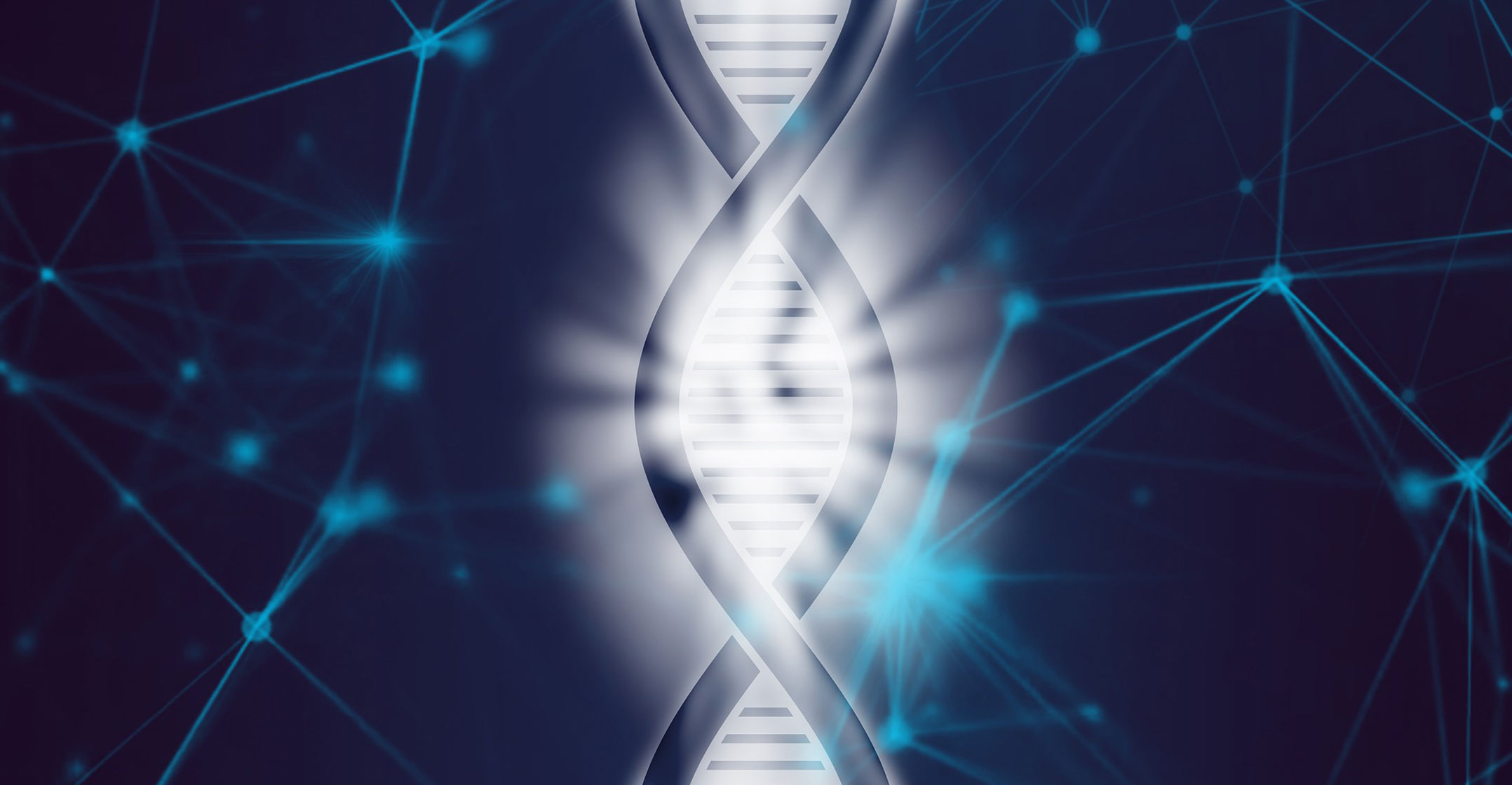
    When US President Bill Clinton took to a White House lectern 20 years ago to announce that the human genome sequence had been completed, he hailed the breakthrough as “the most important, most wondrous map ever produced by humankind”. The scientific achievement was placed on par with the moon landings.

    It was hoped that having access to the sequence would transform our understanding of human disease within 20 years, leading to better treatment, detection and prevention. The famous journal article that shared our genetic ingredients with the world, published in February 2001, was welcomed as a “Book of Life” that could revolutionise medicine by showing which of our genes led to which illnesses.

    But in the two decades since, the sequence has underwhelmed. The potential of our newfound genetic self-knowledge has not been fulfilled. Instead, what has emerged is a new frontier in genetic research: new questions for a new batch of researchers to answer.

    Today, the gaps between our genes, and the switches that direct genetic activity, are emerging as powerful determinants behind how we look and how we get ill – perhaps deciding up to 90% of what makes us different from one another. Understanding this “genetic dark matter”, using the knowledge provided by the human genome sequence, will help us to push further into our species’ genetic secrets.

    Cracking the human genetic code took 13 years, US$2.7-billion and hundreds of scientists peering through over three billion base pairs in our DNA. Once mapped, our genetic data helped projects like the Cancer Dependency Map and the Genome Wide Association Studies better understand the diseases that afflict humans.

    But some results were disappointing. Back in 2000, as it was becoming clear the genome sequence was imminent, the genomics community began excitedly placing bets predicting how many genes the human genome would contain. Some bets were as high as 300 000, others as low as 40 000. For context, the onion genome contains 60 000 genes.

    Dispiritingly, it turned out that our genome contains roughly the same number of genes as a mouse or a fruit fly (around 21 000), and three times less than an onion. Few would argue that humans are three times less complex than an onion. Instead, this discovery suggested that the number of genes in our genome had little to do with our complexity or our difference from other species, as had been previously assumed.

    With human gene-editing still highly contentious, researchers have instead looked to find out which genes may be responsible for humanity’s illnesses

    Access to the human genome sequence also presented the scientific community with a huge number of important ethical questions, underscored in 2000 by British Prime Minister Tony Blair when he cautioned: “With the power of this discovery comes the responsibility to use it wisely.”

    Ethicists were particularly concerned about questions of “genetic discrimination”, like whether our genes could be used against us as evidence in a court of law, or as a basis for exclusion: a new kind of twisted hierarchy determined by our biology.

    Some of these concerns were addressed by legislation against genetic discrimination, like the US Genetic Information Nondiscrimination Act of 2008. Other concerns, like those around so-called “designer babies”, are still being put to the test today.

    Jailed

    In 2018, human embryos were gene-edited by a Chinese scientist, using a method called Crispr which allows targeted sections of DNA to be snipped off and replaced with others. The scientist involved was subsequently jailed, suggesting that there remains little appetite for human genetic experimentation.

    On the other hand, to deny available genetic treatments to willing patients may one day be considered unethical – just as some countries have chosen to legalise euthanasia on ethical grounds. Questions remain about how humanity should handle its genetic data.

    With human gene-editing still highly contentious, researchers have instead looked to find out which genes may be responsible for humanity’s illnesses. Yet when scientists investigated which genes are linked to human diseases, they were met with a surprise. After comparing huge samples of human DNA to find whether certain genes led to certain illnesses, they found that many unexpected sections of the genome were involved in the development of human disease.

    The genome contains two sections: the coding genome, and the non-coding genome. The coding genome represents just 1.7% of our DNA but is responsible for coding the proteins that are the essential building blocks of life. Genes are defined by their ability to code proteins: so, 1.7% of our genome consists of genes.

    The non-coding genome, which makes up the remaining 98.3% of our DNA, doesn’t code proteins. This largely unknown section of the genome was once dismissed as “junk DNA”, previously thought to be useless. It contained no protein-creating genes, so it was assumed the non-coding genome had little to do with the stuff of life.

    The importance of gene enhancers in health and disease sits uncomfortably with our relative inability to identify and understand them

    Bewilderingly, scientists found that the non-coding genome was actually responsible for the majority of information that impacted disease development in humans. Such findings have made it clear that the non-coding genome is actually far more important than previously thought.

    Within this non-coding part of the genome, researchers have subsequently found short regions of DNA called enhancers: gene switches that turn genes on and off in different tissues at different times. They found that enhancers needed to shape the embryo have changed very little during evolution, suggesting that they represent a major and important source of genetic information.

    Enhancers

    These studies inspired one of us, Alasdair, to explore the possible role of enhancers in behaviours such as alcohol intake, anxiety and fat intake. By comparing the genomes of mice, birds and humans we identified an enhancer that has changed relatively little over 350 million years – suggesting its importance in species’ survival.

    When we used Crispr genome-editing to delete this enhancer from the mouse genome, those mice ate less fat, drank less alcohol and displayed reduced anxiety. While these may all sound like positive changes, it’s likely that these enhancers evolved in calorifically poor environments full of predators and threats. At the time, eating high-calorie food sources such as fat and fermented fruit, and being hyper-vigilant of predators, would have been key for survival. However, in modern society these same behaviours may now contribute to obesity, alcohol abuse and chronic anxiety.

    Intriguingly, subsequent genetic analysis of a major human population cohort has shown that changes in the same human enhancer were also associated with differences in alcohol intake and mood. These studies demonstrate that enhancers are not only important for normal physiology and health, but that changing them could result in changes in behaviour that have major implications for human health.

    Given these new avenues of research, we appear to be at a crossroads in genetic biology. The importance of gene enhancers in health and disease sits uncomfortably with our relative inability to identify and understand them.

    And so, in order to make the most of the sequencing of the human genome two decades ago, it’s clear that research must now look beyond the 1.7% of the genome that encodes proteins. In exploring uncharted genetic territory, like that represented by enhancers, biology may well locate the next swathe of healthcare breakthroughs.The Conversation

    • Written by Alasdair Mackenzie, reader, molecular genetics, University of Aberdeen, and Andreas Kolb, senior research fellow, The Rowett Institute
    • This article is republished from The Conversation under a Creative Commons licence

    Follow TechCentral on Google News Add TechCentral as your preferred source on Google


    top
    WhatsApp YouTube
    Share. Facebook Twitter LinkedIn WhatsApp Telegram Email Copy Link
    Previous ArticleFacebook faces year of reckoning after showdown in Australia
    Next Article Aussie antitrust chief claims victory after Facebook standoff

    Related Posts

    18GW in unplanned breakdowns cripple Eskom

    2 November 2021

    Nersa kicks the Karpowership can down the road

    13 September 2021

    If you think South African load shedding is bad, try Zimbabwe’s

    13 September 2021
    Company News
    Moving past the pilot: inside the CloudZA and AWS closed-door AI executive roundtable

    CloudZA and AWS chart the road from AI pilots to production

    19 June 2026
    The role of edge infrastructure in South Africa's AI leap - OADC Open Access Data Centres

    The role of edge infrastructure in South Africa’s AI leap

    19 June 2026
    BBD's new FinOps white paper: your road map to kill cloud waste

    BBD’s new FinOps white paper: your road map to kill cloud waste

    19 June 2026
    Opinion
    Finish the job Mandela started - Farzam Ehsani

    Finish the job Mandela started

    18 June 2026
    The author, Fanie van Rooyen

    The US just showed it can switch off our AI

    17 June 2026
    The clock is ticking on South African banks' biggest advantage - Pambos Soteriades

    The clock is ticking on South African banks’ biggest advantage

    9 June 2026

    Subscribe to Updates

    Get the best South African technology news and analysis delivered to your e-mail inbox every morning.

    Latest Posts
    Another windfall for Datatec shareholders - Jens Montanana

    Another windfall for Datatec shareholders

    19 June 2026
    WhatsApp starts charging South Africans - for the extras

    WhatsApp starts charging South Africans – for the extras

    19 June 2026
    AI agents are coming to your Visa card

    AI agents are coming to your Visa card

    19 June 2026
    Naspers signals core earnings surge ahead of results

    Naspers signals core earnings surge ahead of results

    19 June 2026
    © 2009 - 2026 NewsCentral Media
    • Cookie policy (ZA)
    • TechCentral – privacy and Popia

    Type above and press Enter to search. Press Esc to cancel.

    Manage consent

    TechCentral uses cookies to enhance its offerings. Consenting to these technologies allows us to serve you better. Not consenting or withdrawing consent may adversely affect certain features and functions of the website.

    Functional Always active
    The technical storage or access is strictly necessary for the legitimate purpose of enabling the use of a specific service explicitly requested by the subscriber or user, or for the sole purpose of carrying out the transmission of a communication over an electronic communications network.
    Preferences
    The technical storage or access is necessary for the legitimate purpose of storing preferences that are not requested by the subscriber or user.
    Statistics
    The technical storage or access that is used exclusively for statistical purposes. The technical storage or access that is used exclusively for anonymous statistical purposes. Without a subpoena, voluntary compliance on the part of your Internet Service Provider, or additional records from a third party, information stored or retrieved for this purpose alone cannot usually be used to identify you.
    Marketing
    The technical storage or access is required to create user profiles to send advertising, or to track the user on a website or across several websites for similar marketing purposes.
    • Manage options
    • Manage services
    • Manage {vendor_count} vendors
    • Read more about these purposes
    View preferences
    • {title}
    • {title}
    • {title}