Close Menu
TechCentralTechCentral

    Subscribe to the newsletter

    Get the best South African technology news and analysis delivered to your e-mail inbox every morning.

    Facebook X (Twitter) YouTube LinkedIn
    WhatsApp Facebook X (Twitter) LinkedIn YouTube
    TechCentralTechCentral
    • News
      Toyota SA CEO: NEV inaction will cost South Africa its motoring industry - Andrew Kirby

      Toyota SA CEO: NEV inaction will cost South Africa its motoring industry

      12 February 2026
      Censorship-resistant internet from space - Spacecoin

      Censorship-resistant internet from space

      12 February 2026
      Chip shortage hits PCs as AI swallows the world's memory supply

      Chip shortage hits PCs as AI swallows the world’s memory supply

      12 February 2026
      Altron jumps after company flags strong earnings growth

      Altron jumps after company flags strong earnings growth

      12 February 2026
      Here comes the next wave of Chinese AI models

      Here comes the next wave of Chinese AI models

      12 February 2026
    • World
      Russia bans WhatsApp

      Russia bans WhatsApp

      12 February 2026
      EU regulators take aim at WhatsApp

      EU regulators take aim at WhatsApp

      9 February 2026
      Musk hits brakes on Mars mission

      Musk hits brakes on Mars mission

      9 February 2026
      Crypto firm accidentally sends R700-billion in bitcoin to its users

      Crypto firm accidentally sends R700-billion in bitcoin to its users

      8 February 2026
      AI won't replace software, says Nvidia CEO amid market rout - Jensen Huang

      AI won’t replace software, says Nvidia CEO amid market rout

      4 February 2026
    • In-depth
      How liberalisation is rewiring South Africa's power sector

      How liberalisation is rewiring South Africa’s power sector

      21 January 2026
      The top-performing South African tech shares of 2025

      The top-performing South African tech shares of 2025

      12 January 2026
      Digital authoritarianism grows as African states normalise internet blackouts

      Digital authoritarianism grows as African states normalise internet blackouts

      19 December 2025
      TechCentral's South African Newsmakers of 2025

      TechCentral’s South African Newsmakers of 2025

      18 December 2025
      Black Friday goes digital in South Africa as online spending surges to record high

      Black Friday goes digital in South Africa as online spending surges to record high

      4 December 2025
    • TCS
      Watts & Wheels S1E4: 'We drive an electric Uber'

      Watts & Wheels S1E4: ‘We drive an electric Uber’

      10 February 2026
      TCS+ | How Cloud On Demand is helping SA businesses succeed in the cloud - Xhenia Rhode, Dion Kalicharan

      TCS+ | Cloud On Demand and Consnet: inside a real-world AWS partner success story

      30 January 2026
      Watts & Wheels S1E4: 'We drive an electric Uber'

      Watts & Wheels S1E3: ‘BYD’s Corolla Cross challenger’

      30 January 2026
      Watts & Wheels S1E4: 'We drive an electric Uber'

      Watts & Wheels S1E2: ‘China attacks, BMW digs in, Toyota’s sublime supercar’

      23 January 2026

      TCS+ | Why cybersecurity is becoming a competitive advantage for SA businesses

      20 January 2026
    • Opinion
      South Africa's skills advantage is being overlooked at home - Richard Firth

      South Africa’s skills advantage is being overlooked at home

      29 January 2026
      Why Elon Musk's Starlink is a 'hard no' for me - Songezo Zibi

      Why Elon Musk’s Starlink is a ‘hard no’ for me

      26 January 2026
      South Africa's new fibre broadband battle - Duncan McLeod

      South Africa’s new fibre broadband battle

      20 January 2026
      AI moves from pilots to production in South African companies - Nazia Pillay SAP

      AI moves from pilots to production in South African companies

      20 January 2026
      South Africa's new fibre broadband battle - Duncan McLeod

      ANC’s attack on Solly Malatsi shows how BEE dogma trumps economic reality

      14 December 2025
    • Company Hubs
      • Africa Data Centres
      • AfriGIS
      • Altron Digital Business
      • Altron Document Solutions
      • Altron Group
      • Arctic Wolf
      • AvertITD
      • Braintree
      • CallMiner
      • CambriLearn
      • CYBER1 Solutions
      • Digicloud Africa
      • Digimune
      • Domains.co.za
      • ESET
      • Euphoria Telecom
      • Incredible Business
      • iONLINE
      • IQbusiness
      • Iris Network Systems
      • LSD Open
      • Mitel
      • NEC XON
      • Netstar
      • Network Platforms
      • Next DLP
      • Ovations
      • Paracon
      • Paratus
      • Q-KON
      • SevenC
      • SkyWire
      • Solid8 Technologies
      • Telit Cinterion
      • Tenable
      • Vertiv
      • Videri Digital
      • Vodacom Business
      • Wipro
      • Workday
      • XLink
    • Sections
      • AI and machine learning
      • Banking
      • Broadcasting and Media
      • Cloud services
      • Contact centres and CX
      • Cryptocurrencies
      • Education and skills
      • Electronics and hardware
      • Energy and sustainability
      • Enterprise software
      • Financial services
      • Information security
      • Internet and connectivity
      • Internet of Things
      • Investment
      • IT services
      • Lifestyle
      • Motoring
      • Public sector
      • Retail and e-commerce
      • Satellite communications
      • Science
      • SMEs and start-ups
      • Social media
      • Talent and leadership
      • Telecoms
    • Events
    • Advertise
    TechCentralTechCentral
    Home » Sections » Electronics and hardware » The chip upstart beating Intel at its own game

    The chip upstart beating Intel at its own game

    By Agency Staff28 November 2018
    Twitter LinkedIn Facebook WhatsApp Email Telegram Copy Link
    News Alerts
    WhatsApp

    For more than 30 years, Intel has dominated chip-making, producing the most important component in the bulk of the world’s computers. That run is now under threat from a company many people have never heard of.

    Taiwan Semiconductor Manufacturing Co was created in 1987 to churn out chips for companies that lacked the money to build their own facilities. The approach was famously dismissed at the time by AMD founder Jerry Sanders. “Real men have fabs,” he quipped at a conference, using industry lingo for factories.

    These days, ridicule has given way to envy as TSMC plants have risen to challenge Intel at the pinnacle of the US$400-billion industry. AMD recently chose TSMC to make its most advanced processors, having spun off its own struggling factories years before.

    TSMC’s threat to Intel reflects a sea change in chip-making that’s seen one company after another hire TSMC to manufacture the chips they design

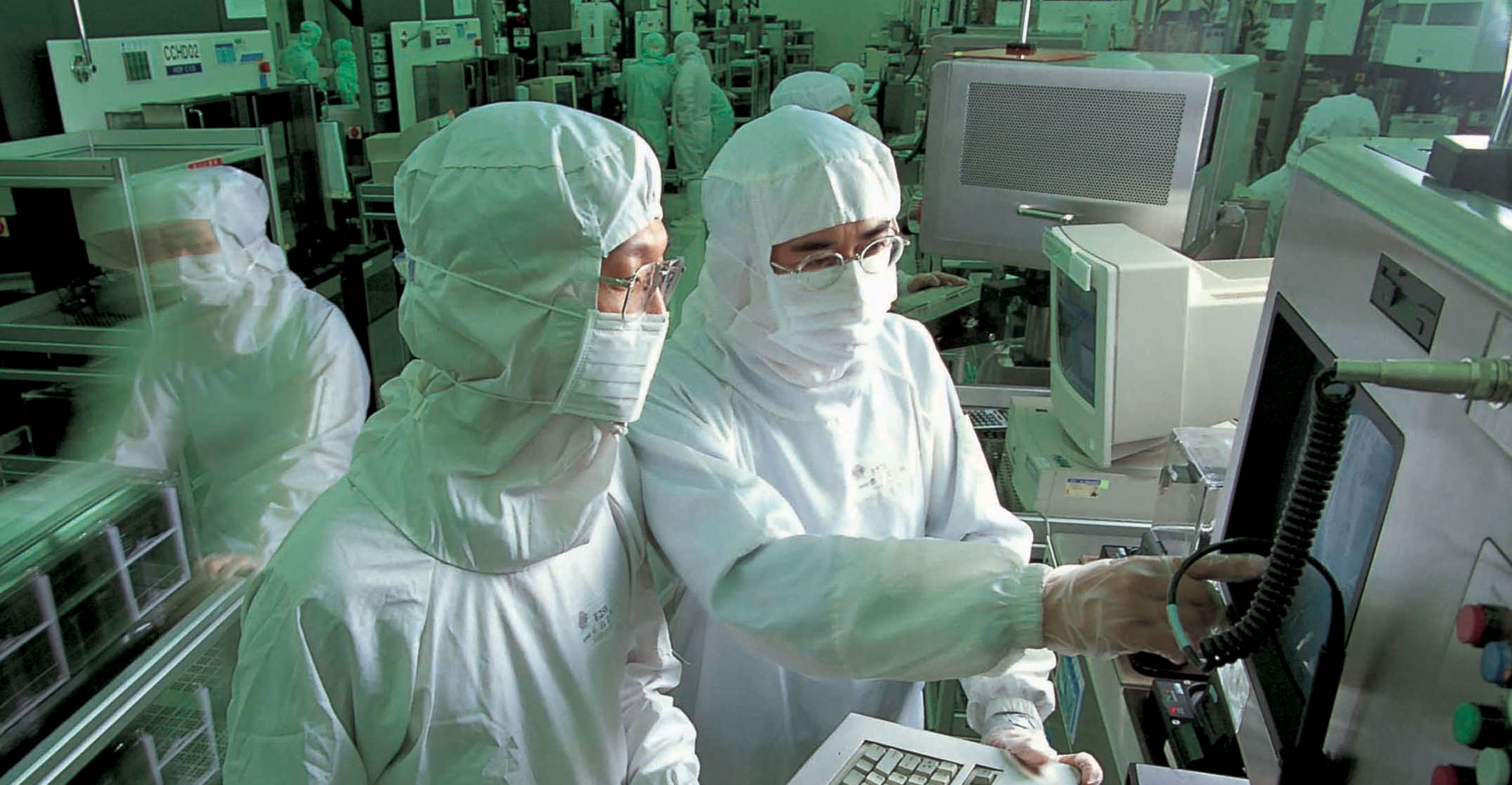
    TSMC’s threat to Intel reflects a sea change in chip-making that’s seen one company after another hire TSMC to manufacture the chips they design. Hsinchu-based TSMC has scores of customers, including tech giants Apple and Qualcomm, second-tier players like AMD, and minnows such as Ampere Computing. The explosion of components built this way has given TSMC the technical know-how needed to churn out the smallest, most efficient and powerful chips in the highest volumes.

    “It’s a once-in-a-50-year situation,” said Renee James, the former number two at Intel who heads start-up Ampere. Her company is less than two years old and yet it’s going after Intel’s dominant server chip business. That Ampere thinks it can compete is a testament to stumbles by Intel, and TSMC’s ability to benefit from those mistakes.

    It’s been a decade since Intel faced major competition and its 90% revenue share in computer processing will again deliver record results this year. But some on Wall Street are concerned, and rivals are emboldened, because TSMC has a real chance to replace Intel as the best chip maker in the business. Last year, the Taiwanese company amassed a bigger market value than its US rival for the first time.

    Bragging rights

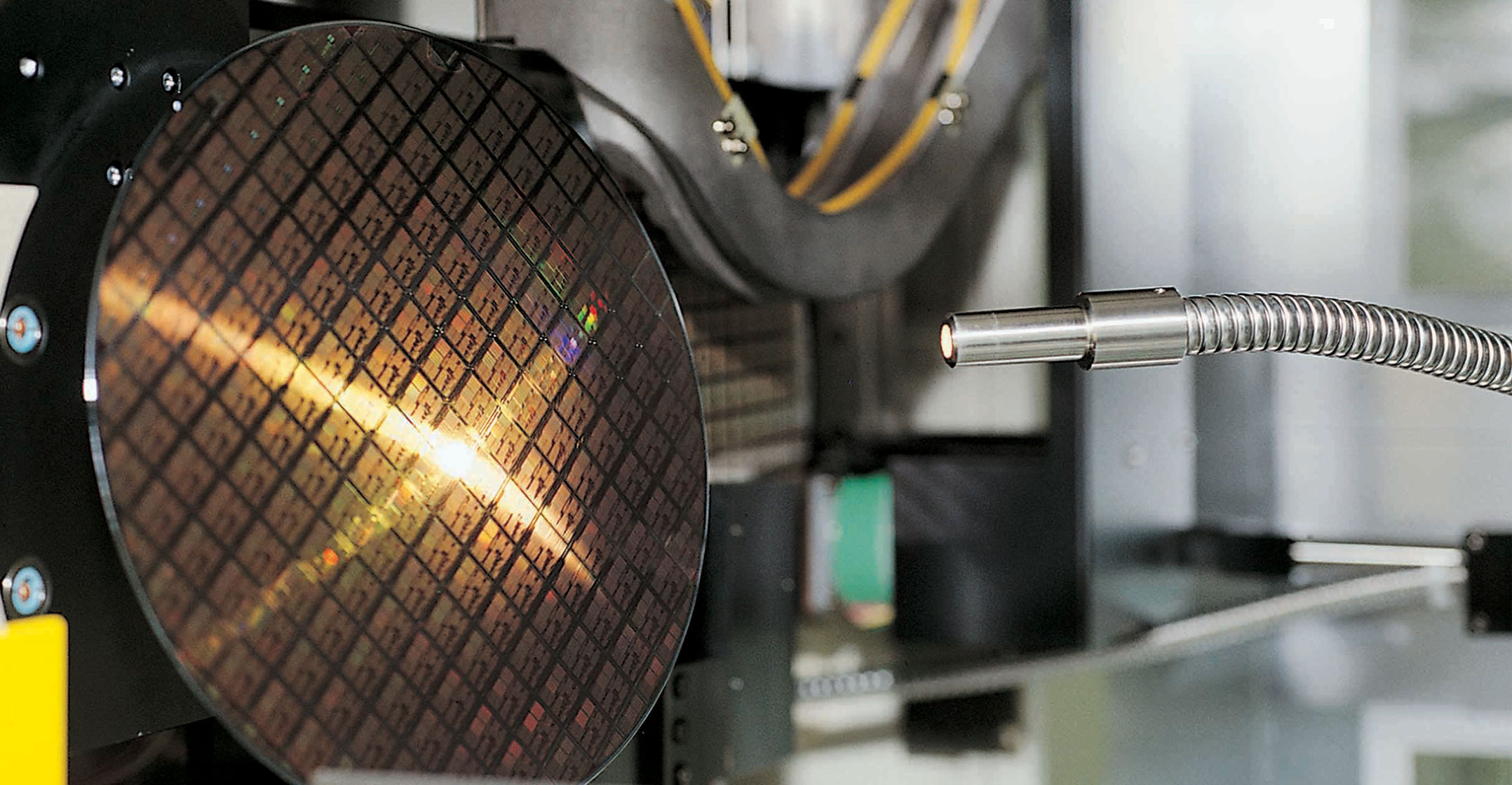
    Production bragging rights in semiconductors are judged by the width of the space between lines on the tiny circuits that give chips their function. Shrinking that gap — measured in nanometres, or billionths of a metre — gives designers the ability to make chips that count faster, use less power, store more data or simply cost less. In the highest-end processors, where Intel makes most of its money, space is at a premium. A Xeon server processor crams billions of transistors into an area the size of a postage stamp.

    Intel was the first to use 14nm technology at scale in 2013, according to Goldman Sachs. It won’t have 10nm ready for prime time until the end of 2019 — by far the longest wait in its history. TSMC has gone from 20nm to 7nm production in the same time.

    Intel’s holdup revolves around yield, the number of good chips that emerge from each production run. In plants that cost about $7-billion and run 24 hours a day churning out millions of chips each month, the slightest hiccup can be disastrous financially. Intel hasn’t ironed out enough of these manufacturing wrinkles yet, and the company won’t shift to 10nm production until it’s sure everything works properly.
    Sanders’ current successor at AMD, CEO Lisa Su, doesn’t have to worry about this because the company sold its factories and lets TSMC handle the complex production.

    “That’s one of the best decisions we’ve made,” said Su. “It allows us to manage risk and focus on the things that make the product great.”

    With TSMC’s help, Su is pursuing a goal that Sanders never attained: a credible and lasting challenge to Intel’s hold on computing. AMD is now telling investors and customers that its new chip designs will surpass those from Intel. TSMC makes this competition possible, even though AMD has about a 10th of Intel’s workforce and R&D budget.

    The company’s real break came a decade ago when the smartphone began filling consumers’ pockets

    TSMC didn’t catch Intel all by itself, though. The company’s real break came a decade ago when the smartphone began filling consumers’ pockets. Intel dabbled in mobile chips, but the US company never committed its best production and design to the area, preferring to prioritise its existing cash cow PC and server chip businesses.

    When smartphone sales took off, phone makers used other processors from companies like Qualcomm. Or they designed their own using ARM technology, like Apple. And TSMC factories churned these components out.

    The smartphone business is now almost six times as big as the PC industry by volume. That’s given TSMC the advantage of high-volume manufacturing experience that previously belonged to Intel.

    With billions of transistors on chips, a problem with a small number of those tiny switches can render the whole component useless. Production runs can take up to six months and involve hundreds of steps requiring maniacal attention to detail. Each time there’s a mistake, the factory operator has a chance to make tweaks and try a new approach. If the change works, that information is retained to try on the next challenge. The more production runs, the better. And TSMC has the most nowadays.

    No mistakes

    “TSMC just continues to deliver latest chips on schedule without any mistakes,” said Mark Li, an analyst at Sanford C Bernstein. He thinks Intel’s leadership in PC and server chips, plus its pricing power, are at risk because of its smartphone slip and TSMC’s hard-earned consistency.

    Still, this is far from the first challenge Intel has faced. The company is working on its production problems, and in the meantime will deliver new chips built with existing production technology that it says will keep the opposition at bay.

    Navin Shenoy, head of Intel’s server division, argues nanometre-based production measures have never been the only factor of success (although the company liked to talk about this more in the past). Intel’s near-term solution is to design better chips using the old production technology.
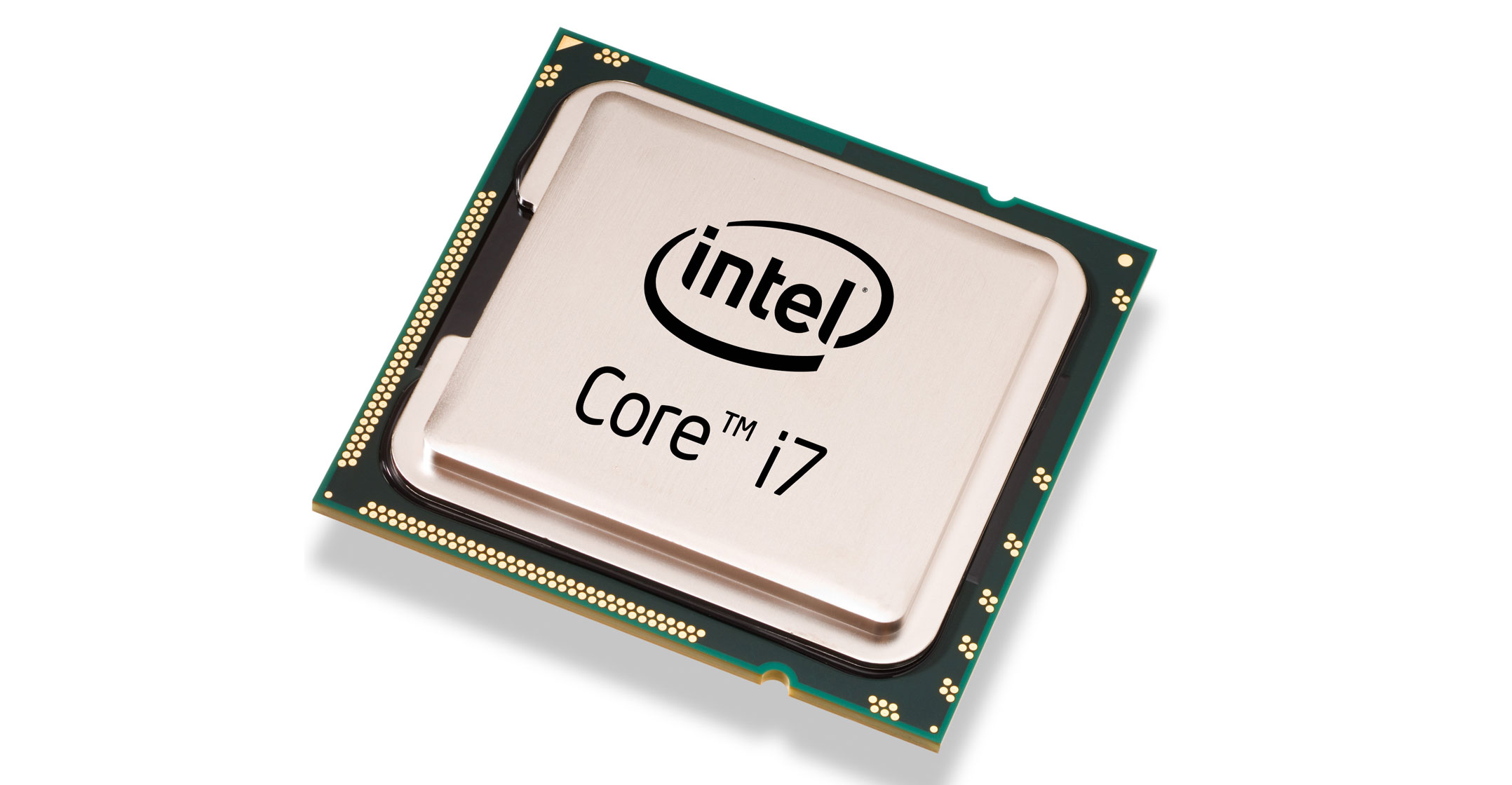
    “I’m confident that we’re going to deliver what our customers care about, which is system performance,” he said.

    Historically, the company has squashed rivals using a research budget that dwarfed anything else in the industry. But TSMC’s approach is even undermining this advantage.

    While Intel still outguns TSMC in capital spending on new plants and equipment, the tables are turned when you combine the research budgets of TSMC customers like Qualcomm, Apple, Nvidia and Huawei Technologies.

    According to Goldman Sachs, the combined budgets of TSMC’s customers are not only larger than Intel but the gap is increasing. By 2020, they will spend almost $20-billion, according to its estimate, at least $4-billion more than Intel.

    “They’re a self-fulfilling prophecy now,” said Debora Shoquist, executive vice president of operations at Nvidia. “They are the best and the best go to the best.”  — Reported by Ian King and Debby Wu, (c) 2018 Bloomberg LP



    Intel top TSMC
    WhatsApp YouTube Follow on Google News Add as preferred source on Google
    Share. Facebook Twitter LinkedIn WhatsApp Telegram Email Copy Link
    Previous ArticleEskom in ‘severe difficulty’ as interim profit plunges 89%
    Next Article Cwele leaves behind a policy mess at telecoms

    Related Posts

    Investors can't get enough of ASML

    Investors can’t get enough of ASML

    27 January 2026
    Intel takes another hit - Intel CEO Lip-Bu Tan. Laure Andrillon/Reuters

    Intel takes another hit

    23 January 2026
    Taiwan, US strike strategic AI and chip supply-chain pact - TSMC

    Taiwan, US strike strategic AI and chip supply-chain pact

    20 January 2026
    Company News
    How NEC XON tackled identity risk for a major telco - Michael de Neuilly Rice

    How NEC XON tackled identity risk for a major telco

    11 February 2026

    Why Acer is the strategic choice for South Africa’s educational future

    11 February 2026
    Fyndae is building Africa's human verification layer for community security and collaboration

    Fyndae wants to turn lost-item recovery into Africa’s trust infrastructure

    11 February 2026
    Opinion
    South Africa's skills advantage is being overlooked at home - Richard Firth

    South Africa’s skills advantage is being overlooked at home

    29 January 2026
    Why Elon Musk's Starlink is a 'hard no' for me - Songezo Zibi

    Why Elon Musk’s Starlink is a ‘hard no’ for me

    26 January 2026
    South Africa's new fibre broadband battle - Duncan McLeod

    South Africa’s new fibre broadband battle

    20 January 2026

    Subscribe to Updates

    Get the best South African technology news and analysis delivered to your e-mail inbox every morning.

    Latest Posts
    Toyota SA CEO: NEV inaction will cost South Africa its motoring industry - Andrew Kirby

    Toyota SA CEO: NEV inaction will cost South Africa its motoring industry

    12 February 2026
    Russia bans WhatsApp

    Russia bans WhatsApp

    12 February 2026
    Censorship-resistant internet from space - Spacecoin

    Censorship-resistant internet from space

    12 February 2026
    Chip shortage hits PCs as AI swallows the world's memory supply

    Chip shortage hits PCs as AI swallows the world’s memory supply

    12 February 2026
    © 2009 - 2026 NewsCentral Media
    • Cookie policy (ZA)
    • TechCentral – privacy and Popia

    Type above and press Enter to search. Press Esc to cancel.

    Manage consent

    TechCentral uses cookies to enhance its offerings. Consenting to these technologies allows us to serve you better. Not consenting or withdrawing consent may adversely affect certain features and functions of the website.

    Functional Always active
    The technical storage or access is strictly necessary for the legitimate purpose of enabling the use of a specific service explicitly requested by the subscriber or user, or for the sole purpose of carrying out the transmission of a communication over an electronic communications network.
    Preferences
    The technical storage or access is necessary for the legitimate purpose of storing preferences that are not requested by the subscriber or user.
    Statistics
    The technical storage or access that is used exclusively for statistical purposes. The technical storage or access that is used exclusively for anonymous statistical purposes. Without a subpoena, voluntary compliance on the part of your Internet Service Provider, or additional records from a third party, information stored or retrieved for this purpose alone cannot usually be used to identify you.
    Marketing
    The technical storage or access is required to create user profiles to send advertising, or to track the user on a website or across several websites for similar marketing purposes.
    • Manage options
    • Manage services
    • Manage {vendor_count} vendors
    • Read more about these purposes
    View preferences
    • {title}
    • {title}
    • {title}