

Close Menu
TechCentralTechCentral

    Subscribe to the newsletter

    Get the best South African technology news and analysis delivered to your e-mail inbox every morning.

    Facebook X (Twitter) YouTube LinkedIn
    WhatsApp Facebook X (Twitter) LinkedIn YouTube
    TechCentralTechCentral
    • News
      Optasia beats IPO guidance in maiden results as lending scales - Salvador Anglada

      Optasia beats IPO guidance in maiden results as lending scales

      16 March 2026
      MTN's mobile money machine

      MTN’s mobile money machine

      16 March 2026
      MTN lines up partners for African AI data centre play

      MTN lines up partners for African AI data centre play

      16 March 2026
      Eskom marks 300 days without load shedding

      Eskom marks 300 days without load shedding

      16 March 2026
      West Africa delivers big for MTN Group - Ralph Mupita

      West Africa delivers big for MTN Group

      16 March 2026
    • World
      Peter Thiel's secretive Rome conference draws Church attention

      Peter Thiel’s secretive Rome conference draws Church attention

      16 March 2026
      Musk launches Macrohard in cheeky nod to Microsoft - Elon Musk

      Musk launches Macrohard in cheeky nod to Microsoft

      12 March 2026
      Europe is building an alternative to Microsoft Office

      Europe is building an alternative to Microsoft Office

      11 March 2026
      Microsoft bets on Anthropic as it loosens ties with OpenAI

      Microsoft bets on Anthropic as it loosens ties with OpenAI

      10 March 2026
      World hit by worst oil shock since the 1970s

      World hit by worst oil shock since the 1970s

      9 March 2026
    • In-depth
      The last generation of coders

      The last generation of coders

      18 February 2026
      Sentech is in dire straits

      Sentech is in dire straits

      10 February 2026
      How liberalisation is rewiring South Africa's power sector

      How liberalisation is rewiring South Africa’s power sector

      21 January 2026
      The top-performing South African tech shares of 2025

      The top-performing South African tech shares of 2025

      12 January 2026
      Digital authoritarianism grows as African states normalise internet blackouts

      Digital authoritarianism grows as African states normalise internet blackouts

      19 December 2025
    • TCS
      TCS+ | Vox Kiwi: a wireless solution promising a fibre-like experience - Theo van Zyl

      TCS+ | Vox Kiwi: a wireless solution promising a fibre-like experience

      13 March 2026
      TCS+ | Flipping the narrative on AI in the Global South - Josefin Rosén

      TCS+ | Flipping the narrative on AI in the Global South

      13 March 2026
      TCS | Sink or swim? Antony Makins on how AI is rewriting the rules of work

      TCS | Sink or swim? Antony Makins on how AI is rewriting the rules of work

      5 March 2026
      TCS+ | Bolt ups the ante on platform safety - Simo Kalajdzic

      TCS+ | Bolt ups the ante on platform safety

      4 March 2026
      Watts & Wheels S1E4: 'We drive an electric Uber'

      Watts & Wheels S1E4: ‘We drive an electric Uber’

      10 February 2026
    • Opinion
      South Africa's energy future hinges on getting wheeling right - Aishah Gire

      South Africa’s energy future hinges on getting wheeling right

      10 March 2026
      Hold the doom: the case for a South African comeback - Duncan McLeod

      Apple just dropped a bomb on the Windows world

      5 March 2026
      VC's centre of gravity is shifting - and South Africa is in the frame - Alison Collier

      VC’s centre of gravity is shifting – and South Africa is in the frame

      3 March 2026
      Hold the doom: the case for a South African comeback - Duncan McLeod

      Hold the doom: the case for a South African comeback

      26 February 2026
      The AI fraud crisis your bank is not ready for - Andries Maritz

      The AI fraud crisis your bank is not ready for

      18 February 2026
    • Company Hubs
      • 1Stream
      • Africa Data Centres
      • AfriGIS
      • Altron Digital Business
      • Altron Document Solutions
      • Altron Group
      • Arctic Wolf
      • AvertITD
      • Braintree
      • CallMiner
      • CambriLearn
      • CYBER1 Solutions
      • Digicloud Africa
      • Digimune
      • Domains.co.za
      • ESET
      • Euphoria Telecom
      • HOSTAFRICA
      • Incredible Business
      • iONLINE
      • IQbusiness
      • Iris Network Systems
      • LSD Open
      • Mitel
      • NEC XON
      • Netstar
      • Network Platforms
      • Next DLP
      • Ovations
      • Paracon
      • Paratus
      • Q-KON
      • SevenC
      • SkyWire
      • Solid8 Technologies
      • Telit Cinterion
      • Tenable
      • Vertiv
      • Videri Digital
      • Vodacom Business
      • Wipro
      • Workday
      • XLink
    • Sections
      • AI and machine learning
      • Banking
      • Broadcasting and Media
      • Cloud services
      • Contact centres and CX
      • Cryptocurrencies
      • Education and skills
      • Electronics and hardware
      • Energy and sustainability
      • Enterprise software
      • Financial services
      • HealthTech
      • Information security
      • Internet and connectivity
      • Internet of Things
      • Investment
      • IT services
      • Lifestyle
      • Motoring
      • Policy and regulation
      • Public sector
      • Retail and e-commerce
      • Satellite communications
      • Science
      • SMEs and start-ups
      • Social media
      • Talent and leadership
      • Telecoms
    • Events
    • Advertise
    TechCentralTechCentral
    Home » Sections » Motoring » Touchscreens are making cars more dangerous
    Mercedes takes on Tesla, BYD with new electric CLA

    Touchscreens are making cars more dangerous

    By The Conversation14 January 2026

    In recent years, the way drivers interact with cars has fundamentally changed. Physical buttons have gradually disappeared from dashboards as more functions have been transferred to touchscreens.

    Touchscreens in vehicle dashboards date back to the 1980s. But modern cars consolidate functions into these systems far beyond what we’ve seen before, to the point where a car feels mostly like a computer.

    This may create the impression of a modern, technologically advanced vehicle. However, scientific evidence increasingly points to touchscreens compromising our safety.

    Human error plays a role in the vast majority of crashes

    In fact, Ancap Safety, the independent car safety assessment programme for Australia and New Zealand, has announced that from 2026 it will ask car manufacturers to “bring back buttons” for important driver controls, including headlights and windscreen wipers. Similar moves are underway in Europe.

    Ancap Safety will explicitly assess how vehicle design supports safe driving, and not just how well occupants are protected in the event of a crash – which means calling time on touchscreens that control everything in your car.

    Distraction

    Decades of road safety research show human error plays a role in the vast majority of crashes. And the design of in-vehicle interfaces can contribute to how often drivers make safety errors.

    Errors behind the wheel are often linked to driver distraction. But what exactly constitutes distraction, and how does it occur?

    Read: Uber eyeing electric bike rides in South Africa

    In human factors research, distraction is typically classified as visual, manual, cognitive or a combination of these. A distracting event or stimulus may take the driver’s eyes off the road, their hands off the wheel, their mind off the driving task – or all three.

    This is why texting while driving is considered particularly dangerous: it uses our visual, manual and cognitive resources at the same time. The more types of attention a task demands, the greater the level of distraction it creates.
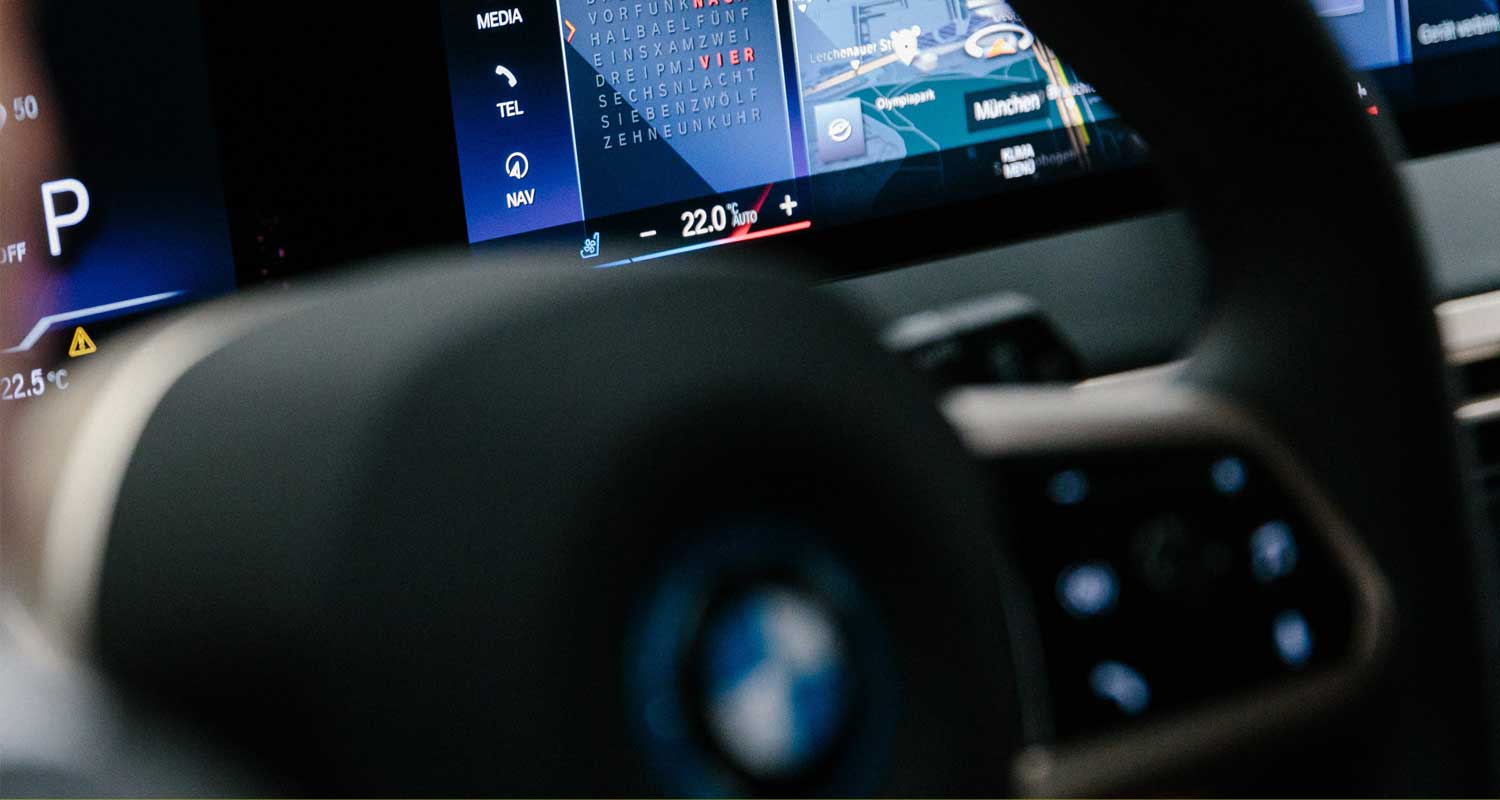
    Interactions with touchscreen menus can, in theory, produce comparable effects to texting. Adjusting a vehicle’s temperature using a sliding bar on a screen makes the driver divert visual attention from the road and allocate cognitive resources to the task.

    By contrast, a physical knob allows the same adjustment to be made with minimal or no visual input. Tactile feedback and muscle memory compensate for the lack of visual information and let you complete the task while keeping eyes on the road.

    Perhaps the clearest and most accessible evidence to date comes from a 2020 UK study conducted by TRL, an independent transport research company.

    Lane keeping and overall driving performance deteriorate due to interaction with touchscreens

    Drivers completed simulated motorway drives while performing common in-car tasks. These included selecting music or navigating menus using touchscreen systems such as Apple CarPlay and Android Auto.

    Performance was compared against baseline driving with no secondary task, as well as voice-based interaction.

    When drivers interacted with touchscreens, their reaction times increased markedly.

    At motorway speeds, this delay in reaction time corresponds to a measurable increase in stopping distance, meaning a driver would travel several additional car lengths before responding to a hazard.

    Lane keeping and overall driving performance deteriorated too as a result of interaction with touchscreens.

    Complaints

    The most striking aspect of this study is that touchscreen interaction was as distracting and, in some cases, even more distracting than texting while driving or having a handheld phone call.

    Concerns about touchscreen-heavy design are not limited to lab studies. They have also shown up clearly in overseas consumer surveys. Data from a recent survey of 92 000 US buyers indicates that infotainment systems – the official term for that touchscreen in the centre of the dashboard – remain the most problematic feature in new cars.

    Read: Safety recall hits Volvo’s best-selling EV in South Africa

    The survey shows infotainment systems lead to more complaints in the first 90 days of ownership than any other vehicle system.

    Most complaints relate to usability. Drivers report frustration with basic controls that have been moved to touchscreens – such as lights, windshield wipers, temperature – and now require multiple steps and visual attention to operate while driving.
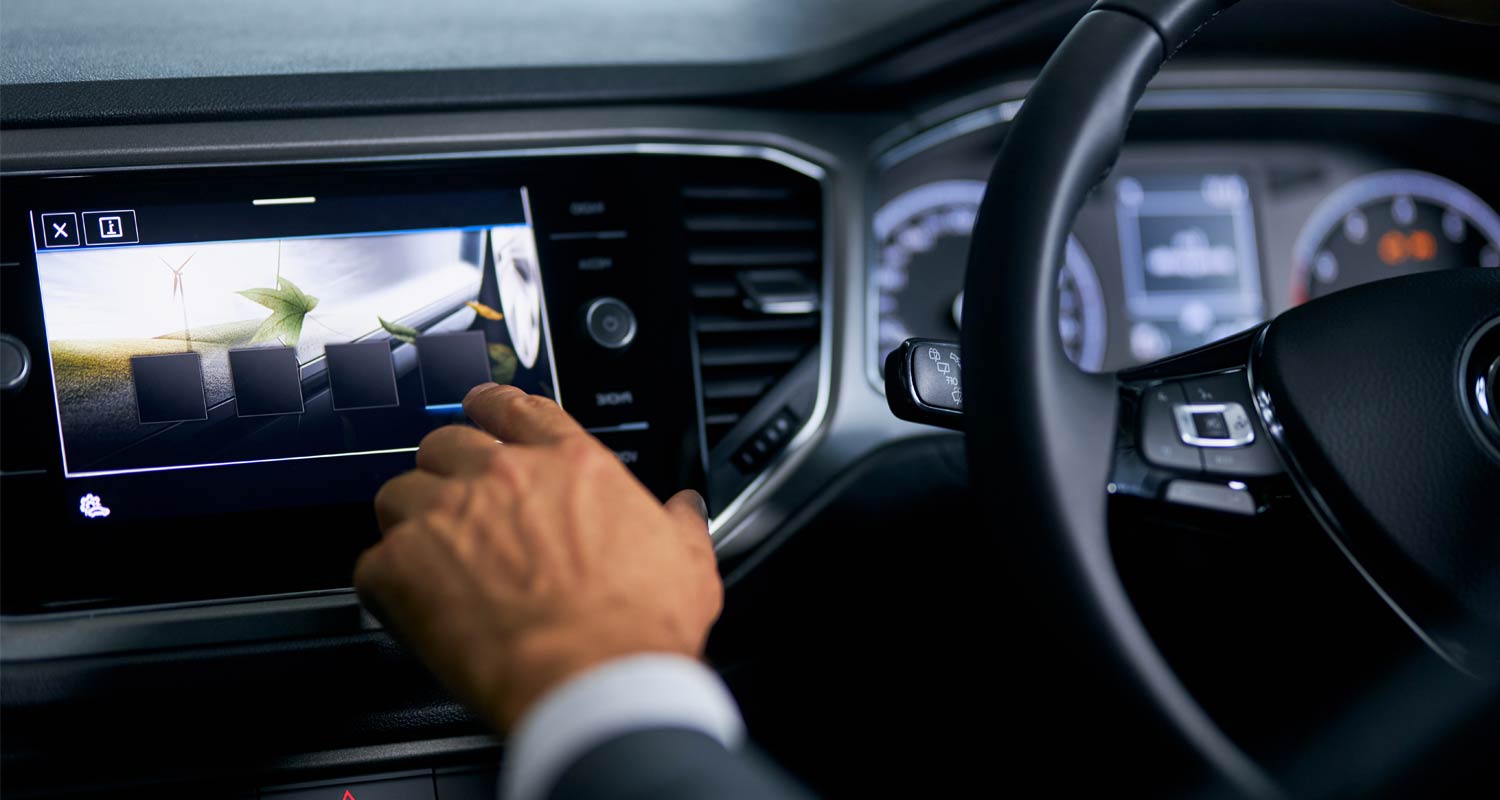
    Voice recognition is often presented as a safer alternative to touchscreens because it removes the need to look away from the road. But evidence suggests it’s not completely risk free either.

    A large meta-analysis of experimental studies examined how drivers perform while using in-vehicle and smartphone voice-recognition systems, combining results from 43 different studies.

    Across the evidence base, voice interaction worsens driving performance compared with driving without any secondary task. It increases reaction times and negatively influences lane keeping and hazard detection.

    The evidence is clear: controls we frequently use while driving should remain tactile

    When voice systems are compared with visual-manual systems, performance is slightly better with voice control. But even though voice recognition is less distracting than touchscreens, it’s still measurably more distracting compared to baseline driving where drivers don’t need to interact with any menus or change settings.

    The evidence is clear: controls we frequently use while driving – temperature, fan speed, windscreen demisting, volume and many others – should remain tactile.

    The driver shouldn’t have to divert their visual attention from the road to control these. It’s especially problematic when such controls are buried in layered menus, so you need to tap several times just to find the function you want to change.

    Bring back the buttons

    Touchscreens are better suited to secondary functions and settings typically adjusted before driving, such as navigation setup, media selection and vehicle customisation.

    The good news is the evidence is being translated into car safety assessment programmes. From this year, Ancap Safety and its counterpart in the EU, Euro NCAP, will require physical controls for certain features to award the highest safety rating for new vehicles.

    Watch | Watts & Wheels: S1E1 – ‘William, Prince of Wheels’

    It’s up to manufacturers to decide whether to comply. However, some car makers, such as Volkswagen and Hyundai, have already been responding to these requirements and to pressure from consumers to bring the buttons back.The Conversation

    • The author,  Milad Haghani, is associate professor and principal fellow in urban risk and resilience at The University of Melbourne
    • This article is republished from The Conversation under a Creative Commons licence. Read the original article

    Get breaking news from TechCentral on WhatsApp. Sign up here.

    Follow TechCentral on Google News Add TechCentral as your preferred source on Google


    Ancap Safety TRI
    WhatsApp YouTube
    Share. Facebook Twitter LinkedIn WhatsApp Telegram Email Copy Link
    Previous ArticleTaiwan seeks arrest of OnePlus CEO
    Next Article Uganda shuts down internet ahead of pivotal election
    Company News
    Mitel receives 2025 Enterprise Collaboration Product of the Year award

    Mitel receives 2025 Enterprise Collaboration Product of the Year award

    16 March 2026
    Why managing your Cisco Enterprise Agreement matters more than signing it

    Why managing your Cisco Enterprise Agreement matters more than signing it

    16 March 2026
    Households still under big pressure, Altron Fintech index shows

    Households still under big pressure, Altron Fintech index shows

    13 March 2026
    Opinion
    South Africa's energy future hinges on getting wheeling right - Aishah Gire

    South Africa’s energy future hinges on getting wheeling right

    10 March 2026
    Hold the doom: the case for a South African comeback - Duncan McLeod

    Apple just dropped a bomb on the Windows world

    5 March 2026
    VC's centre of gravity is shifting - and South Africa is in the frame - Alison Collier

    VC’s centre of gravity is shifting – and South Africa is in the frame

    3 March 2026

    Subscribe to Updates

    Get the best South African technology news and analysis delivered to your e-mail inbox every morning.

    Latest Posts
    Optasia beats IPO guidance in maiden results as lending scales - Salvador Anglada

    Optasia beats IPO guidance in maiden results as lending scales

    16 March 2026
    Mitel receives 2025 Enterprise Collaboration Product of the Year award

    Mitel receives 2025 Enterprise Collaboration Product of the Year award

    16 March 2026
    MTN's mobile money machine

    MTN’s mobile money machine

    16 March 2026
    MTN lines up partners for African AI data centre play

    MTN lines up partners for African AI data centre play

    16 March 2026
    © 2009 - 2026 NewsCentral Media
    • Cookie policy (ZA)
    • TechCentral – privacy and Popia

    Type above and press Enter to search. Press Esc to cancel.

    Manage consent

    TechCentral uses cookies to enhance its offerings. Consenting to these technologies allows us to serve you better. Not consenting or withdrawing consent may adversely affect certain features and functions of the website.

    Functional Always active
    The technical storage or access is strictly necessary for the legitimate purpose of enabling the use of a specific service explicitly requested by the subscriber or user, or for the sole purpose of carrying out the transmission of a communication over an electronic communications network.
    Preferences
    The technical storage or access is necessary for the legitimate purpose of storing preferences that are not requested by the subscriber or user.
    Statistics
    The technical storage or access that is used exclusively for statistical purposes. The technical storage or access that is used exclusively for anonymous statistical purposes. Without a subpoena, voluntary compliance on the part of your Internet Service Provider, or additional records from a third party, information stored or retrieved for this purpose alone cannot usually be used to identify you.
    Marketing
    The technical storage or access is required to create user profiles to send advertising, or to track the user on a website or across several websites for similar marketing purposes.
    • Manage options
    • Manage services
    • Manage {vendor_count} vendors
    • Read more about these purposes
    View preferences
    • {title}
    • {title}
    • {title}