Close Menu
TechCentralTechCentral

    Subscribe to the newsletter

    Get the best South African technology news and analysis delivered to your e-mail inbox every morning.

    Facebook X (Twitter) YouTube LinkedIn
    WhatsApp Facebook X (Twitter) LinkedIn YouTube
    TechCentralTechCentral
    • News
      Malatsi withdraws AI policy after fictitious sources scandal - Solly Malatsi

      Malatsi withdraws AI policy after fictitious sources scandal

      26 April 2026
      How AI could quietly hollow out South Africa's job market

      How AI could quietly hollow out South Africa’s job market

      26 April 2026
      SpaceX bets the rocket farm on AI

      SpaceX bets the rocket farm on AI

      26 April 2026
      Withdraw AI policy, Malatsi told as fake citations row grows - Solly Malatsi

      Withdraw AI policy, Malatsi told, as fake citations row grows

      26 April 2026
      The remarkable turnaround at Intel

      The remarkable turnaround at Intel

      26 April 2026
    • World
      More organic compounds detected on Mars - Nasa Curiosity rover

      More organic compounds detected on Mars

      21 April 2026
      Adobe bets on AI agents to fend off cheaper rivals

      Adobe bets on AI agents to fend off cheaper rivals

      16 April 2026
      Google poised to lose ad crown to Meta

      Google poised to lose ad crown to Meta

      14 April 2026
      Grand Theft Data - hackers hit Rockstar Games - Grand Theft Auto

      Grand Theft Data – hackers hit Rockstar Games

      14 April 2026
      UK PM Keir Starmer declares war on doomscrolling

      UK PM Keir Starmer declares war on doomscrolling

      13 April 2026
    • In-depth
      Africa switches on as Europe dims the lights

      Africa switches on as Europe dims the lights

      9 April 2026
      The biggest untapped EV market on Earth is hiding in plain sight

      The biggest untapped EV market on Earth is hiding in plain sight

      1 April 2026
      The R18-billion tech giant hiding in plain sight - Jens Montanana

      The R16-billion tech giant hiding in plain sight

      26 March 2026
      The last generation of coders

      The last generation of coders

      18 February 2026
      Sentech is in dire straits

      Sentech is in dire straits

      10 February 2026
    • TCS

      TCS+ | ‘The ISP for ISPs’: Vox’s shift to wholesale aggregator

      20 April 2026
      TCS | Werner Lindemann on how AI is rewriting the infosec rulebook

      TCS | Werner Lindemann on how AI is rewriting the infosec rulebook

      15 April 2026
      TCS | Donovan Marsh on AI and the future of filmmaking

      TCS | Donovan Marsh on AI and the future of filmmaking

      7 April 2026
      TCS+ | Vodacom Business moves to crack the SME tech gap - Andrew Fulton, Sannesh Beharie

      TCS+ | Vodacom Business moves to crack the SME tech gap

      7 April 2026
      TCS | MTN's Divysh Joshi on the strategy behind Pi - Divyesh Joshi

      TCS | MTN’s Divyesh Joshi on the strategy behind Pi

      1 April 2026
    • Opinion
      The conflict of interest at the heart of PayShap's slow adoption - Cheslyn Jacobs

      The conflict of interest at the heart of PayShap’s slow adoption

      26 March 2026
      South Africa's energy future hinges on getting wheeling right - Aishah Gire

      South Africa’s energy future hinges on getting wheeling right

      10 March 2026
      Hold the doom: the case for a South African comeback - Duncan McLeod

      Apple just dropped a bomb on the Windows world

      5 March 2026
      R230-million in the bag for Endeavor's third Harvest Fund - Alison Collier

      VC’s centre of gravity is shifting – and South Africa is in the frame

      3 March 2026
      Hold the doom: the case for a South African comeback - Duncan McLeod

      Hold the doom: the case for a South African comeback

      26 February 2026
    • Company Hubs
      • 1Stream
      • Africa Data Centres
      • AfriGIS
      • Altron Digital Business
      • Altron Document Solutions
      • Altron Group
      • Arctic Wolf
      • Ascent Technology
      • AvertITD
      • BBD
      • Braintree
      • CallMiner
      • CambriLearn
      • CYBER1 Solutions
      • Digicloud Africa
      • Digimune
      • Domains.co.za
      • ESET
      • Euphoria Telecom
      • HOSTAFRICA
      • Incredible Business
      • iONLINE
      • IQbusiness
      • Iris Network Systems
      • Kaspersky
      • LSD Open
      • Mitel
      • NEC XON
      • Netstar
      • Network Platforms
      • Next DLP
      • Ovations
      • Paracon
      • Paratus
      • Q-KON
      • SevenC
      • SkyWire
      • Solid8 Technologies
      • Telit Cinterion
      • Telviva
      • Tenable
      • Vertiv
      • Videri Digital
      • Vodacom Business
      • Wipro
      • Workday
      • XLink
    • Sections
      • AI and machine learning
      • Banking
      • Broadcasting and Media
      • Cloud services
      • Contact centres and CX
      • Cryptocurrencies
      • Education and skills
      • Electronics and hardware
      • Energy and sustainability
      • Enterprise software
      • Financial services
      • HealthTech
      • Information security
      • Internet and connectivity
      • Internet of Things
      • Investment
      • IT services
      • Lifestyle
      • Motoring
      • Policy and regulation
      • Public sector
      • Retail and e-commerce
      • Satellite communications
      • Science
      • SMEs and start-ups
      • Social media
      • Talent and leadership
      • Telecoms
    • Events
    • Advertise
    TechCentralTechCentral
    Home » Sections » Investment » How a years-long truce between Google and Microsoft fell apart

    How a years-long truce between Google and Microsoft fell apart

    The truce came crashing down in 2020 when the tech giants found themselves at odds over web search.
    By Agency Staff29 September 2023
    Twitter LinkedIn Facebook WhatsApp Email Telegram Copy Link
    News Alerts
    WhatsApp

    A five-year truce between rivals Google and Microsoft came crashing down in 2020 when the tech giants found themselves at odds over their competing web search businesses, according to testimony at the US government’s antitrust trial against Google.

    After a decade of fights, the companies forged a non-aggression pact in 2016, wanting a fresh start to their acrimonious relationship. But three years ago, the situation began to fray, Jonathan Tinter, a Microsoft vice president of business development, testified on Thursday in Washington.

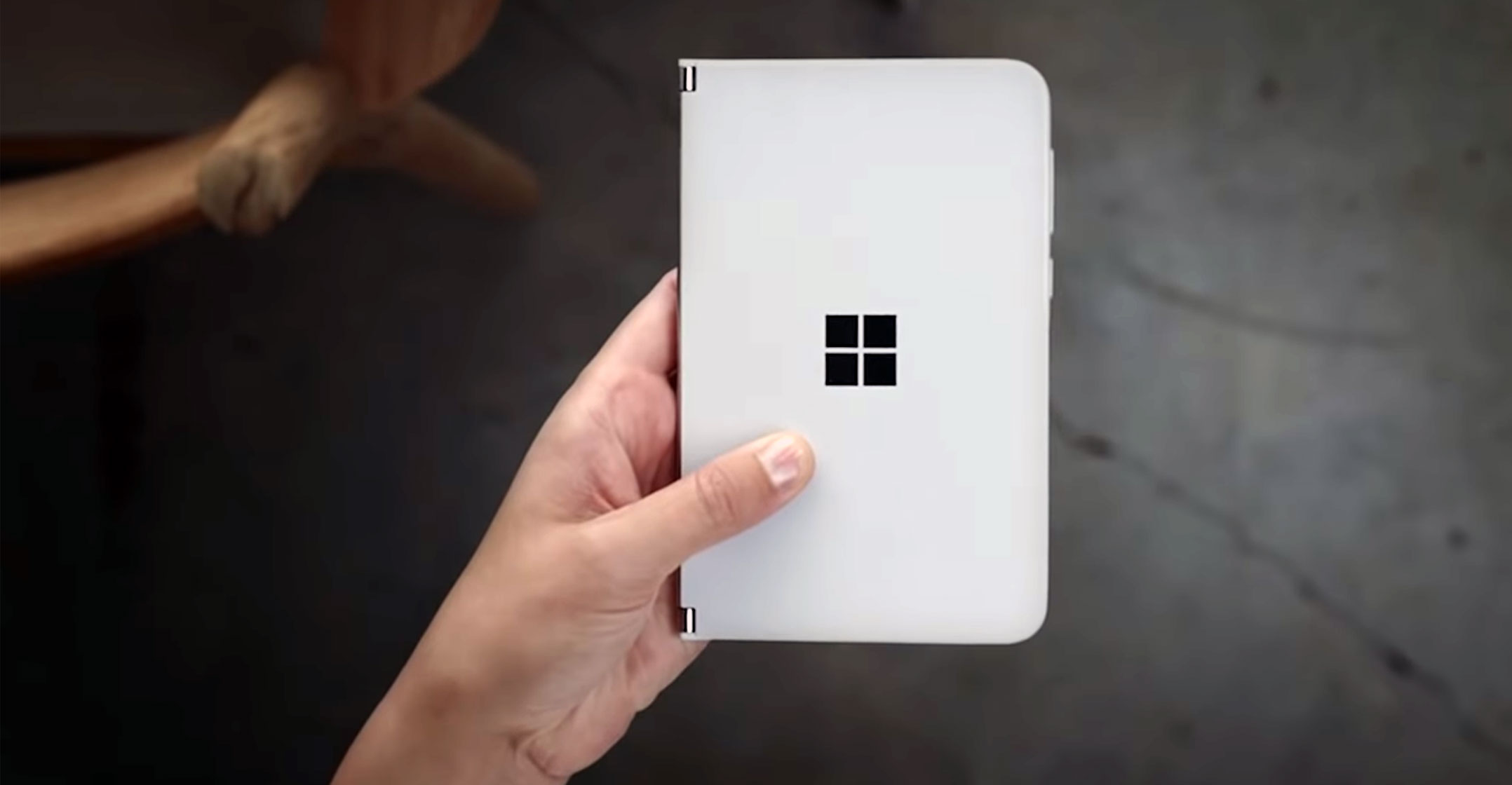
    Google insisted that Microsoft place a Google search widget on the main screen of its Surface Duo touchscreen smartphone device in order to license the Android operating system, rejecting the software company’s request to use its own search engine, Bing, said Tinter, who negotiated the deal in the northern hemisphere spring and summer of 2020.

    We wanted the search entry points to be Bing. They wanted the search entry points to be Google

    Google also prohibited Microsoft from instructing users how to switch the default search engine to Bing, he said.

    “Ultimately, for the Duo to be successful, we needed the licence from Google,” he said. “We wanted the search entry points to be Bing. They wanted the search entry points to be Google.”

    Tinter is one of several Microsoft executives to testify as part of the US justice department’s antitrust lawsuit against Google. Microsoft CEO Satya Nadella is expected to take the stand next week. The government alleges Google has monopolised the online search market through contracts where it paid billions to Apple and smartphone makers to make its search engine the default on browsers and mobile devices. Google has said consumers like its search engine and it’s easy to switch.

    Microsoft and Google eventually reached a “compromise” on Duo for both search engines to appear on the device, Tinter said. A search widget, the Chrome browser and the Google Search app would all be on the phone and use Google, while Microsoft’s Edge, the device’s default browser, would use Bing.

    Flop

    Microsoft began taking orders for the US$1 400 dual-screen folding Duo in August 2020, marking the company’s return to the handset market following an ignominious retreat in 2016 after its acquisition of Nokia’s handset unit resulted in a costly writedown. While it had some fans, the Duo fared poorly and within months Microsoft was already offering discounts on the product. Scarcely a year later it was selling for less than half the original price.

    While the release of the Duo appeared to represent a thaw between the tech rivals, behind the scenes the relationship was less friendly, Tinter said. Tinter said he personally advocated for “strategic cooperation” with Google, citing the success of Microsoft’s Office products on the Android platform.

    Read: Apple used Bing as Google ‘bargaining chip’

    “There was a debate about how much we should work with Google or not,” he said. “The Bing ads team was arguing we should not.”

    The companies’ agreement on ending hostilities set out a formal, escalating process for handling disputes that might previously have gone directly to regulators. In March 2020, Microsoft formally complained to Google that its Search Ads 360, which lets marketers manage advertising campaigns across multiple search engines, wasn’t keeping up with new features and ad types in Bing.

    The dispute triggered talks between the companies’ top lawyers – Microsoft’s Brad Smith and Google’s Kent Walker. Tinter was also involved, he said, discussing the issues with Google’s Don Harrison, president of global partnerships and corporate development.

    Tinter said that in response to Microsoft’s escalation, Google officially complained about a problem with the terms of Microsoft’s cloud programme that barred participation of the Google Drive products — rival productivity software for word processing, e-mail and spreadsheets.

    In response to questions by the justice department, Tinter said Microsoft had informally agreed to pay for Google to make the changes to SA360. “It was half a negotiating strategy,” Tinter said. Harrison said, ‘This is too expensive.’ I said, ‘Great let me pay for it.’”

    Read: US begins high-stakes antitrust battle with Google

    The two companies eventually negotiated a resolution about cloud, but couldn’t resolve the problems with the search advertising tool, he said. As a result, nothing was ever signed on either issue, Tinter said. “We ultimately walked away and did not reach an agreement,” he said.

    Microsoft and Google also let their peace deal expire in 2021.  — Leah Nylen, (c) 2023 Bloomberg LP

    Get breaking news alerts from TechCentral on WhatsApp

    Follow TechCentral on Google News Add TechCentral as your preferred source on Google


    Brad Smith Google Microsoft Microsoft Surface Duo Satya Nadella Surface Duo
    WhatsApp YouTube
    Share. Facebook Twitter LinkedIn WhatsApp Telegram Email Copy Link
    Previous ArticleGet breaking tech news on WhatsApp
    Next Article There’s more to the skills crisis than emigration

    Related Posts

    How AI could quietly hollow out South Africa's job market

    How AI could quietly hollow out South Africa’s job market

    26 April 2026
    SpaceX bets the rocket farm on AI

    SpaceX bets the rocket farm on AI

    26 April 2026
    Middle-class South Africa is ditching streaming for AI

    Middle-class South Africa is ditching streaming for AI

    23 April 2026
    Company News
    Cybersecurity in the age of AI: why speed and trust now define resilience - iqbusiness

    Cybersecurity in the AI age: speed and trust define resilience

    24 April 2026
    Security by design is the channel's strongest pitch - Othelo Vieira

    Security by design is the channel’s strongest pitch

    23 April 2026
    Your brand is invisible to the AI that's choosing your competitor - Michelle Losco

    Your brand is invisible to the AI that’s choosing your competitor

    23 April 2026
    Opinion
    The conflict of interest at the heart of PayShap's slow adoption - Cheslyn Jacobs

    The conflict of interest at the heart of PayShap’s slow adoption

    26 March 2026
    South Africa's energy future hinges on getting wheeling right - Aishah Gire

    South Africa’s energy future hinges on getting wheeling right

    10 March 2026
    Hold the doom: the case for a South African comeback - Duncan McLeod

    Apple just dropped a bomb on the Windows world

    5 March 2026

    Subscribe to Updates

    Get the best South African technology news and analysis delivered to your e-mail inbox every morning.

    Latest Posts
    Malatsi withdraws AI policy after fictitious sources scandal - Solly Malatsi

    Malatsi withdraws AI policy after fictitious sources scandal

    26 April 2026
    How AI could quietly hollow out South Africa's job market

    How AI could quietly hollow out South Africa’s job market

    26 April 2026
    SpaceX bets the rocket farm on AI

    SpaceX bets the rocket farm on AI

    26 April 2026
    Withdraw AI policy, Malatsi told as fake citations row grows - Solly Malatsi

    Withdraw AI policy, Malatsi told, as fake citations row grows

    26 April 2026
    © 2009 - 2026 NewsCentral Media
    • Cookie policy (ZA)
    • TechCentral – privacy and Popia

    Type above and press Enter to search. Press Esc to cancel.

    Manage consent

    TechCentral uses cookies to enhance its offerings. Consenting to these technologies allows us to serve you better. Not consenting or withdrawing consent may adversely affect certain features and functions of the website.

    Functional Always active
    The technical storage or access is strictly necessary for the legitimate purpose of enabling the use of a specific service explicitly requested by the subscriber or user, or for the sole purpose of carrying out the transmission of a communication over an electronic communications network.
    Preferences
    The technical storage or access is necessary for the legitimate purpose of storing preferences that are not requested by the subscriber or user.
    Statistics
    The technical storage or access that is used exclusively for statistical purposes. The technical storage or access that is used exclusively for anonymous statistical purposes. Without a subpoena, voluntary compliance on the part of your Internet Service Provider, or additional records from a third party, information stored or retrieved for this purpose alone cannot usually be used to identify you.
    Marketing
    The technical storage or access is required to create user profiles to send advertising, or to track the user on a website or across several websites for similar marketing purposes.
    • Manage options
    • Manage services
    • Manage {vendor_count} vendors
    • Read more about these purposes
    View preferences
    • {title}
    • {title}
    • {title}