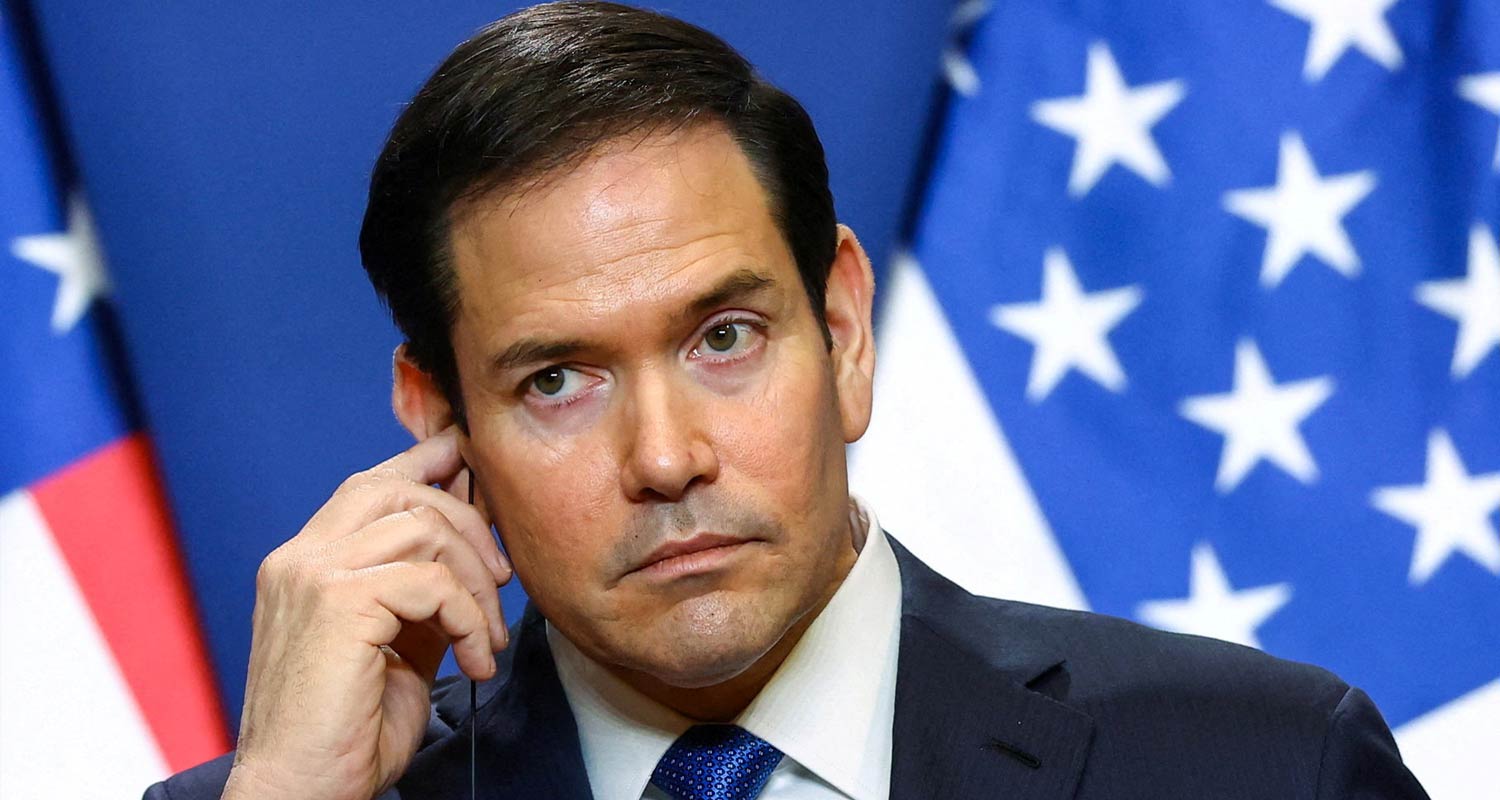
US secretary of state Marco Rubio has announced a new visa restriction policy targeting some foreign nationals from South Africa as President Donald Trump’s administration continues to cool ties with the country.
The Trump administration has criticised South Africa over a range of issues including actions aimed at addressing racial inequality that Trump claims hurt the country’s white population.
Washington has also criticised land reform policies and South Africa’s genocide case against Israel at the International Court of Justice, over the US ally’s assault on Gaza.
The visa curb policy targets “foreign nationals who are responsible for, or complicit in, the enactment or implementation of laws or policies that enable uncompensated land seizures, race-based discrimination, and/or the incitement of imminent violence against members of minority ethnic or racial groups in South Africa,” Rubio said in a statement.
“The South African government has not adequately addressed the previously laid out concerns,” Rubio said.
The South African embassy in Washington did not immediately respond to a request for comment.
Pretoria says there is no evidence of discrimination or persecution against white people and that ideas of white racial superiority are a threat to South Africa’s post-apartheid unity, its sovereignty and its diplomatic relations. President Cyril Ramaphosa has called for global efforts to debunk false stories about white persecution.
Aligned with domestic policies
Trump has previously cut aid to South Africa, offered refuge to white minority Afrikaners, expelled the country’s ambassador and made false claims of white genocide in the African nation.
Trump’s portrayal of South Africa as dangerous and oppressive for white people also aligns with some of his domestic policies that have targeted diversity initiatives aimed at addressing historic inequities for marginalised groups. Trump casts them as discriminatory against white people and men.
Rubio’s statement on Tuesday did not identify any person by name.
The visa announcement comes even as American technology companies continue to be among the biggest foreign investors in South Africa’s digital infrastructure.
Microsoft president Brad Smith announced in Johannesburg in March 2025 that the company would put R5.4-billion into new data centre infrastructure in South Africa, built for AI workloads, and said Microsoft had already spent more than R20-billion on its local Azure data centres.
Google opened its first African cloud region in Johannesburg later the same month, part of a US$1-billion commitment across the continent that also covers terrestrial and subsea fibre, and confirmed in July that the Eastern Cape will host a digital exchange hub and cable landing station for Umoja, the first fibre route linking Africa directly to Australia. Amazon Web Services has run data centres in Cape Town since 2020, when it launched the first hyperscale cloud region on the continent.
The money has kept flowing despite the deterioration in relations.
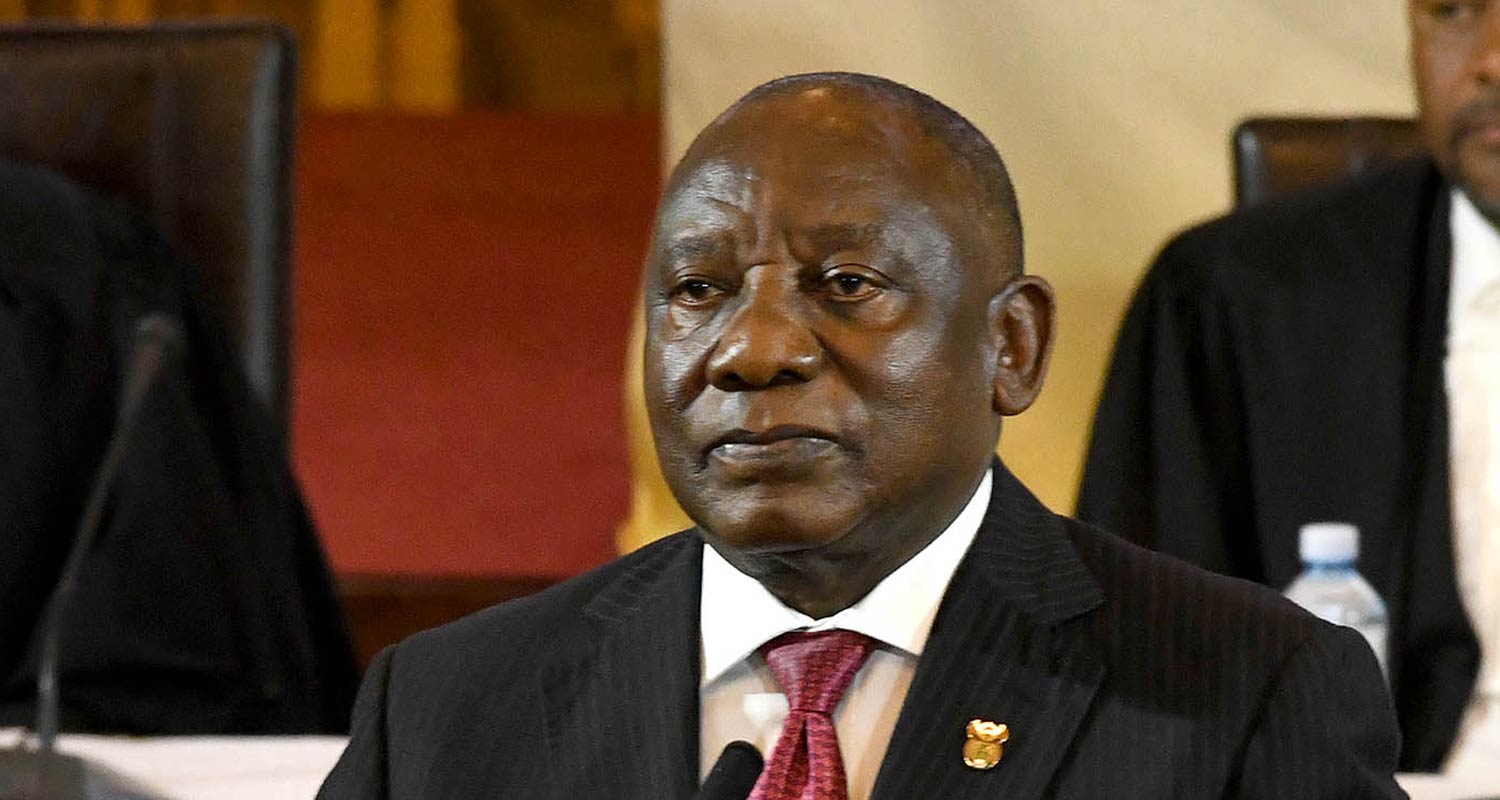
Finance minister Enoch Godongwana in February placed data centre infrastructure on the same footing as electricity, ports and transport networks, a policy shift TechCentral reported at the time, with Ramaphosa telling parliament that 55 data centres had been built in the country and more than R50-billion in further investment was expected over three years. — Kanishka Singh, Bhargav Acharya and Costas Pitas, (c) 2026 Reuters, with additional reporting by Duncan McLeod, (c) 2026 NewsCentral Media