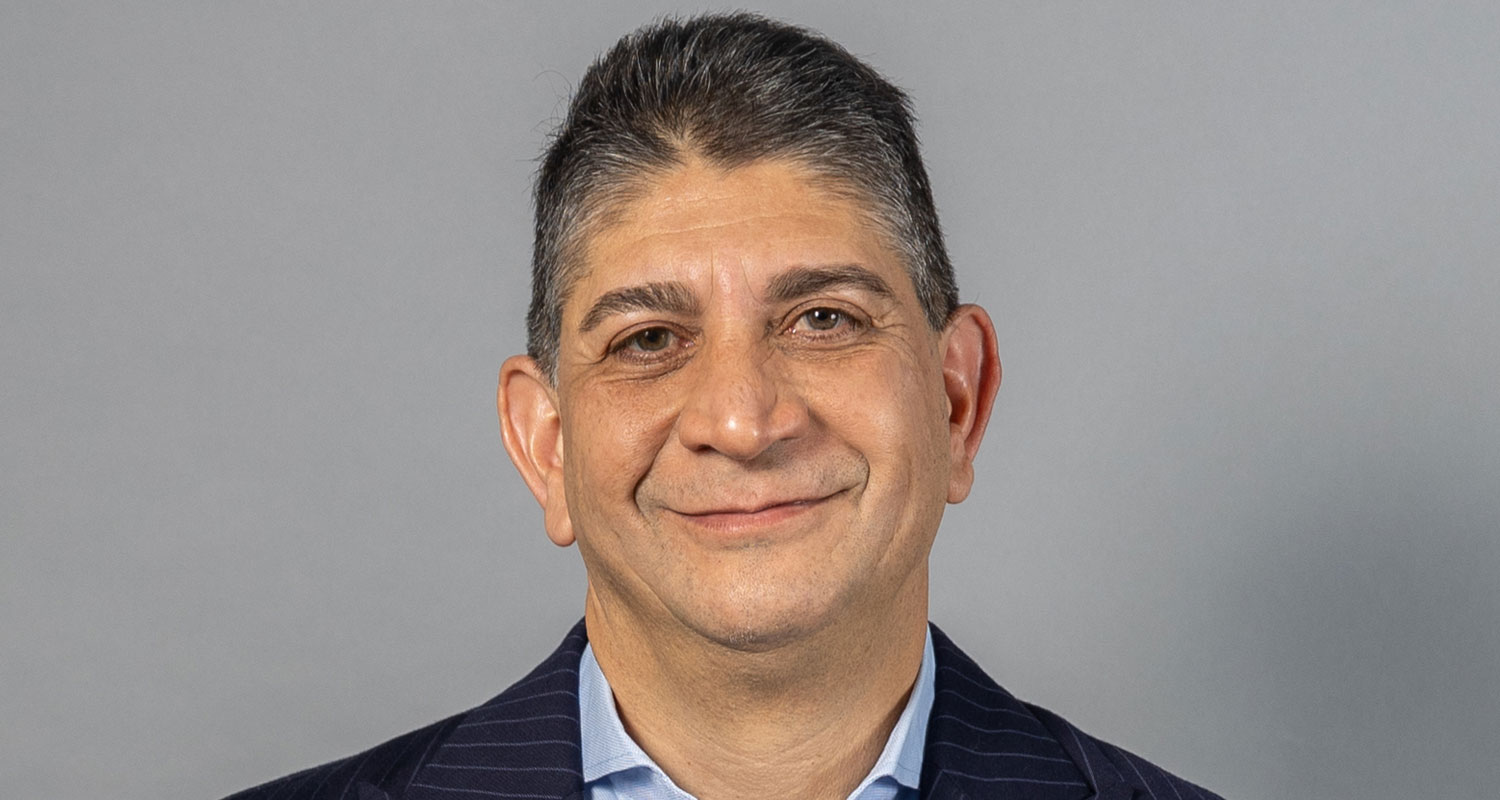
Vodacom CEO Shameel Joosub has warned that a mobile market with too many players – which includes some 30 MVNOs now operating in South Africa – might not be sustainable.
Speaking to TechCentral in an interview on Monday, Joosub said when there are too many players in the market and only a handful making investments in network infrastructure, the entire market could suffer, as has happened in Europe.
“What you’re seeing globally is, where you have a lot of players in the market, then the market fragments. What you are seeing in Europe is that you have lots of players and lots of regulation and lots of everything, and that’s fragmented the market to a large degree,” said Joosub.
“In other markets where there is more consolidation, you are seeing much better results.”
Joosub’s comments came as Vodacom South Africa’s performance remained relatively flat compared to its other operations such as Egypt and Kenya, which are growing at double-digit rates. In the company’s interim results for the six months to end-September, released on Monday, Vodacom South Africa reported modest service revenue growth of 2.2% to R31.7-billion. Joosub attributed the sluggish performance to “competitive pressures” from its main rival, MTN, as well as the budding MVNO market.
It has been more than a year since Vodacom signed on its first MVNO customer, Mr Price Mobile. The move came along with the announcement that Vodacom had built its own mobile virtual network enablement (MVNE) platform, suggesting the stage for future MVNO enrolment had been set.
Market collapse
However, Vodacom is yet to sign on another MVNO. Joosub said there are “some in the pipeline”, but negotiations – specifically regarding pricing – are ongoing.
“We look at the size of the MVNO, their capabilities, how they grow and if they are targeting new segments. On that basis we then decide whether we bring on MVNOs or not,” said Joosub.
Read: MVNOs could wreck SA’s mobile market, MTN boss warns
Vodacom rival MTN has a much longer history as well as a much larger list of MVNO clients. They include Standard Bank Connect, TFG Connect and Afrihost Air Mobile. Even so, MTN Group CEO Ralph Mupita in August gave a similar warning to Joosub’s about MVNOs and the impact they could have on the mobile market.
According to Mupita, should the trend of MVNOs offering voice and data at prices lower than the network operators themselves continue, the market could eventually collapse.

“You want to avoid a situation where you have all these MVNOs on your network and they are providing the data cheaper than you as the generator of that data – but the costs sit with you,” said Mupita. “Look at the Netherlands 10-15 years ago. The MVNOs wrecked the market. If you are not careful, you’ll have a Netherlands effect [in South Africa],” Mupita said to investors at the time.
Read: Vodacom signs its first MVNO customer
Cell C, which is the market leader when measured by the number of MVNOs on its network, has a different approach, embraceing them as a key component of its growth strategy. From an infrastructure point of view, Cell C does not maintain its own radio access network, opting to run a virtualised version of its network on top Vodacom and MTN masts and towers through roaming deals. – © 2025 NewsCentral Media
Get breaking news from TechCentral on WhatsApp. Sign up here.