

 While many organisations have invested heavily in cloud, automation and digital transformation in the last few years, there remains a critical vulnerability component in field operations. CEOs leading facilities management, logistics and agriculture companies, increasingly recognise the cost of operational interruptions. As a result, rugged devices are rapidly becoming a board-level conversation.
The problem with non-rugged devices
Consumer-grade devices are designed for office and home use, not for dust, drops, heat and water exposure that define South African business operations. As a result, enterprises face:
- Unexpected device failures that disrupt frontline productivity and force frequent device replacements.
- Operational downtime that threatens service level agreement performance, customer commitments and business continuity.
- Increased safety and compliance risk when inspections, monitoring or reporting cannot be completed reliably.
As a result, the above-mentioned factors increase operational and strategic costs.
What ‘rugged’ means
For SMEs and large enterprises, “rugged” is not just about the toughness of the device. It’s about ensuring reliability and performance across the environments where business-critical operations happen.
Rugged devices are engineered to deliver value under conditions that would quickly degrade consumer hardware. Their effectiveness comes down to three core capabilities:
- Water, dust and shock resistance: Advanced dust and water sealing (IP68/IP69K) and verified MIL-STD-810H drop resistance ensure devices survive the realities of frontline work: debris, vibration, weather exposure and accidental drops.
- Exceptional battery performance: Rugged devices are built for extended, stable runtime often lasting several days under continuous GPS use, data capture and communication.
- Accurate navigation and connectivity: With full compatibility with South African mobile bands, rugged devices maintain navigation accuracy and network availability (5G/4G) even in low-signal environments.
Why South African CEOs are switching
South Africa’s major industries operate in environments that quickly expose the limitations of consumer-grade devices. Whether it’s dust-heavy mining and warehousing environments, humidity in agricultural zones, vibration in transport fleets or the unpredictable impact of load-shedding on field teams, the result is the same: accelerated device failure and rising operational risk.
“Forward-looking CEOs are prioritising business continuity, reliability and measurable return on investment by choosing devices that are durable, reduce repair and replacement cycles and come with strong local support,” says Karabo Mothulwe, CEO of Tsukuru.
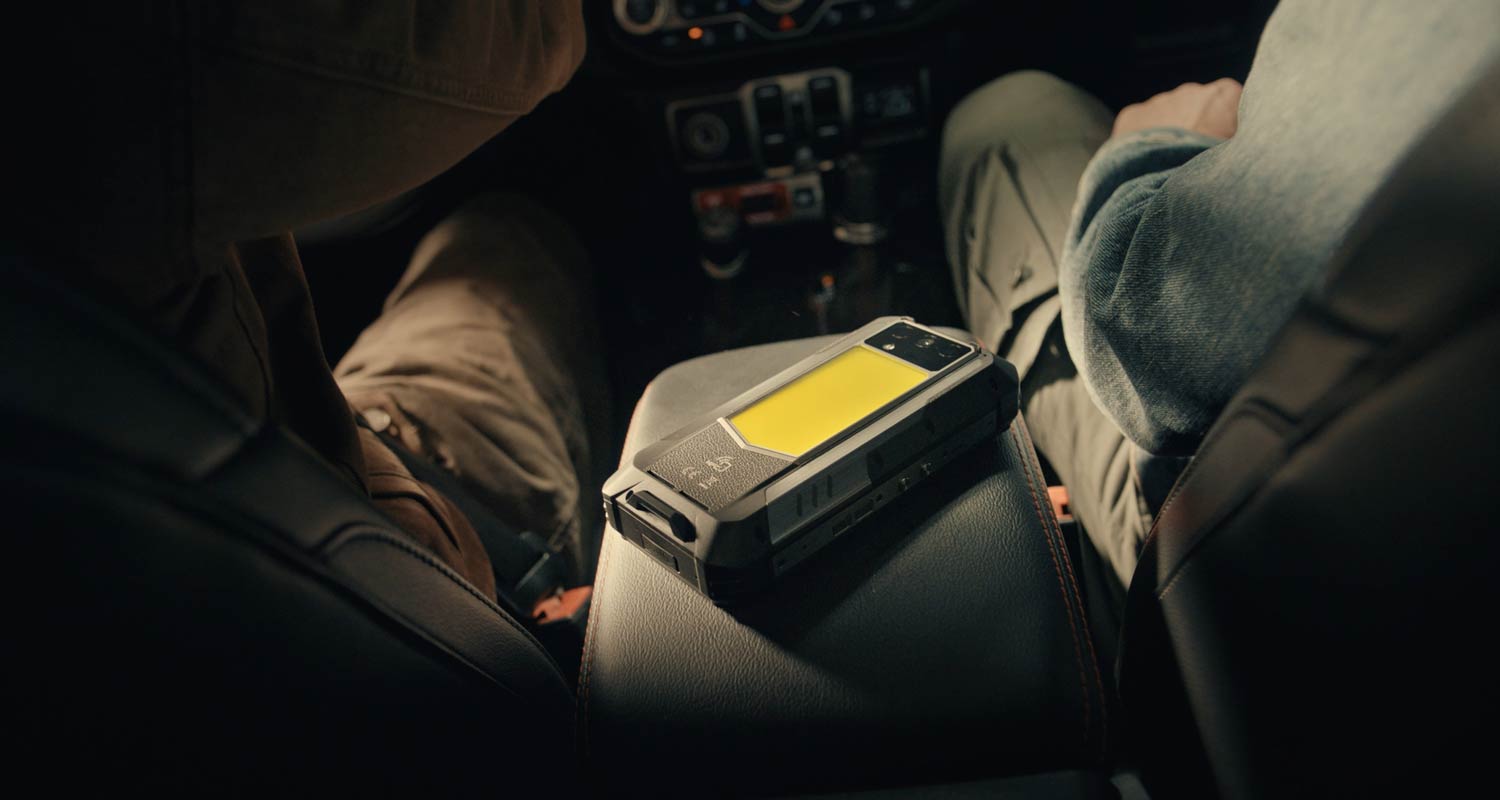 Benefits for South African SMEs and large businesses
Rugged phones and rugged tablets deliver strategic advantages in environments where reliability directly impacts revenue, operational resilience and long-term competitiveness.
- Lower total cost of ownership: By reducing device failure rates and extending lifecycles, rugged hardware drives stronger capital efficiency. At enterprise scale, these savings compound significantly across teams, regions and operational units.
- Reduced unplanned downtime: Higher device uptime stabilises frontline operations and transforms continuity from a vulnerability into a controllable, predictable strength. This directly supports SLA performance and customer commitments.
- Improved workforce productivity: With dependable field tools and seamless integration into workforce-management and operational systems, teams work faster, make better decisions and create a more agile, data-informed organisation.
- Enhanced safety and compliance: Reliable, field-ready devices ensure inspections, reporting and audit processes remain uninterrupted, strengthening compliance posture, protecting reputation and reducing exposure to operational risk.
- Futureproofed operations: Rugged devices provide a long-life, stable hardware foundation for digital field operations. This enables scalable growth, stronger governance and a simplified IT landscape without adding complexity or operational risk.
Recommended rugged devices
There is no one-size-fits-all approach to rugged mobility. The smartest first step is to identify the specific operational challenges your business is facing. Whether that’s productivity loss, frequent device replacements, downtime or compliance gaps, and then select a solution that addresses those needs within your company’s budget.
For organisations exploring rugged options, Oukitel South Africa offers large range of durable, long battery life devices paired with exceptional client experiences. Some of the most popular options include: an entry-level Oukitel G3, a mid-tier Oukitel WP56 or a high-end Oukitel WP100 Titan offering reliable starting points tailored to different operational demands.
About Tsukuru
Tsukuru is a B-BBEE level-1 ICT company specialising in rugged devices and locally developed MDM and workforce management software. Its commitment to client experience excellence reflects in 1 500+ reviews with a 4.8-star average on Google and HelloPeter. Learn more at www.tsukuru.co.za, request a demo or contact now.
- Read more articles by Tsukuru on TechCentral
- This promoted content was paid for by the party concerned