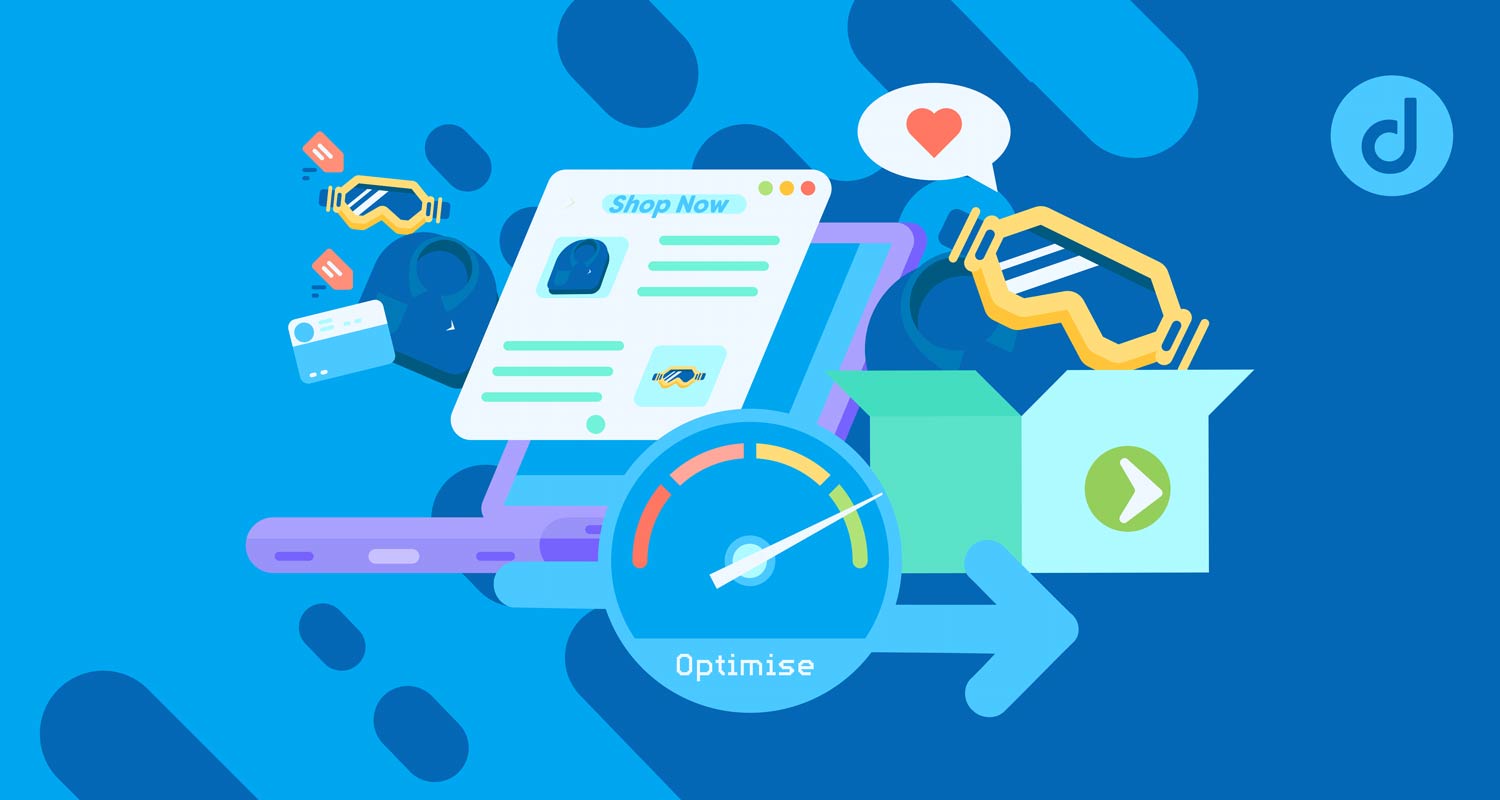
Optimising your e-commerce website isn’t something you do once and forget about. Customer expectations, technology and search engines are constantly evolving, which means your online store should, too. Regularly reviewing and improving your website can help attract more visitors, create a better shopping experience and ultimately increase sales.
Here are seven practical ways to keep your e-commerce website performing at its best.
- Improve website speed: Website speed has a direct impact on user experience. Slow-loading pages frustrate shoppers, increase bounce rates and can negatively affect your search engine rankings. Compress images, remove unnecessary plugins, enable caching and ensure your website is hosted on a fast, reliable web hosting platform to keep load times as low as possible.
- Optimise for mobile: More than half of online shoppers browse and buy using their smartphones. A mobile-friendly website makes it easier for customers to find products, navigate your store and complete purchases. Make sure your design is responsive, buttons are easy to tap, pages load quickly and the checkout experience works seamlessly on mobile devices.
- Simplify the checkout process: A complicated checkout is one of the quickest ways to lose a sale. Reduce the number of steps required to complete a purchase, offer guest checkout, minimise form fields and provide multiple trusted payment options, including flexible ones. Clearly displaying shipping costs and delivery times upfront can also help reduce cart abandonment.
- Strengthen your product pages: Every product page should answer the questions customers are likely to ask before making a purchase. Also include high-quality images, detailed descriptions, product specifications, customer reviews, an FAQs section, shipping information, return policies and clear calls to action. The more confidence shoppers have, the more likely they are to buy.
- Improve navigation and user experience: Customers should be able to find what they’re looking for quickly and easily. Organise products into logical categories and subcategories, include filters for size, colour, brand or price and make your search function easy to use. A clear site structure keeps visitors engaged and encourages them to browse more products.
- Prioritise SEO: Search engine optimisation helps potential customers discover your online store. Optimise page titles, meta descriptions, product URLs, image alt text and internal links while regularly publishing useful content that answers your customers’ questions. Keeping your SEO strategy up to date can drive consistent organic traffic over the long term.
- Review your pricing strategy: Pricing can influence purchasing decisions more than many businesses may realise. Consider offering product bundles, quantity discounts, subscriptions, gift cards or complementary product recommendations. Testing different pricing strategies can help increase average order value while providing greater value to your customers.
Optimising your e-commerce website is an ongoing process, but every improvement depends on a fast, secure and reliable hosting foundation. Domains.co.za’s diverse hosting options can give your online store the performance it needs to help turn more visitors into customers.
Visit Domains.co.za to get started.
About Domains.co.za
Domains.co.za is a pioneer in the domain name and web hosting industry in South Africa. As an Icann-accredited registrar, the company offers the best in web hosting solutions including incredibly fast, secure and reliable cPanel web hosting, WordPress hosting and managed cPanel VM hosting. Try the AI Domain Name Generator and value-added services including SSLs, domain protection, Site Builder and Link in Bio. With a focus on innovation and customer satisfaction, Domains.co.za continues to deliver industry firsts to the benefit of local start-ups, entrepreneurs, small to medium-sized businesses, and larger enterprises. Follow Domains.co.za on Facebook, Instagram, LinkedIn, X, YouTube and TikTok.
- Read more articles by Domains.co.za on TechCentral
- This promoted content was paid for by the party concerned