


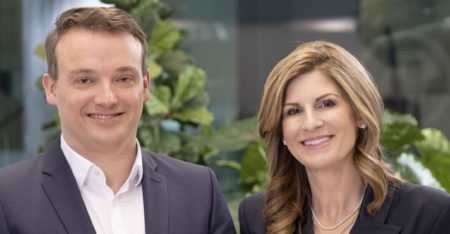
SAP co-CEO Jennifer Morgan, appointed in October to the top executive post alongside Christian Klein, will abruptly leave the German software company at the end of April.
SAP co-CEO Jennifer Morgan, appointed in October to the top executive post alongside Christian Klein, will abruptly leave the German software company at the end of April.

South Africa is entitled to as much as R80-billion in emergency funding from the International Monetary Fund should it request financial support to fight the coronavirus, and it could do so with few strings attached.

Society is seemingly trapped in amber, frozen in place by the coronavirus. But really we’re speeding ever faster toward a technological future.

Independent energy producers were finally making headway in their bid to persuade government to revive long-stalled plans to buy more renewable power when they encountered a new obstacle: the coronavirus.

Alibaba Group will invest $28-billion on cloud infrastructure such as data centres over the next three years, a major effort to extend one of its fastest growing businesses to more countries.

Google and Facebook will be forced to pay media companies in Australia for publishing their news under what the government says is a world-first mandatory code of conduct.
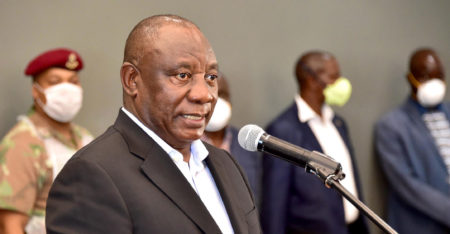
South Africa will gradually ease regulations in various sectors to restart activity after the national lockdown and will work on fast-tracking some structural reforms to help the economy recover.

South African Airways plans to lay off its entire 4 700-strong workforce after failing to persuade the government to provide more financial help.
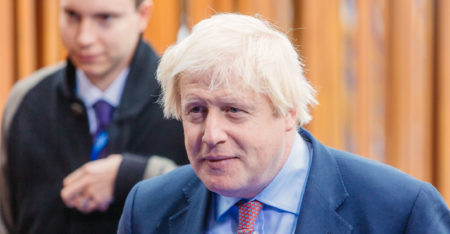
Boris Johnson’s plan to let Huawei help build the UK’s 5G mobile networks is under threat from mounting opposition to the Chinese company in his ruling Conservative Party.

It’s not only the economy at stake. South African society is also at risk if the government extends a five-week lockdown without allowing more industries to get back to work.