

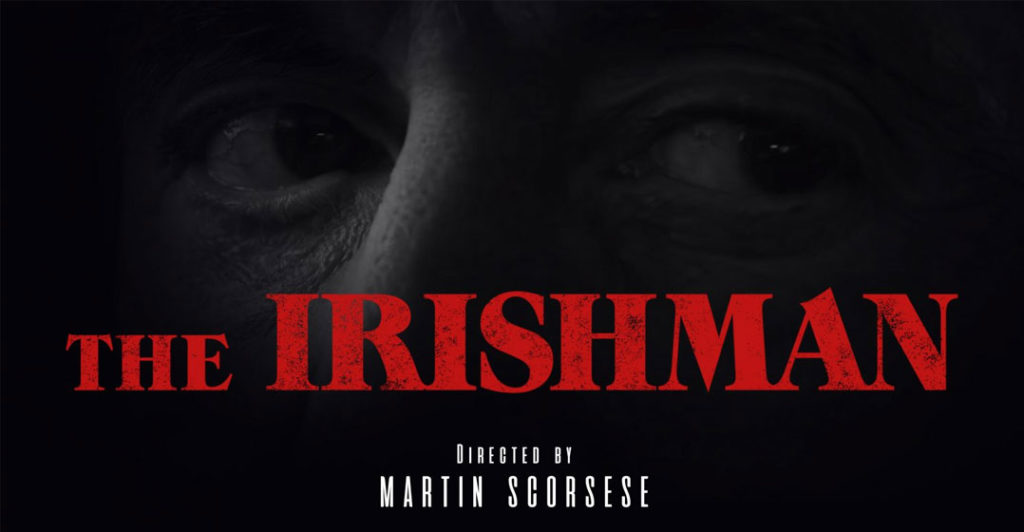
The Irishman, the thee-and-a-half hour gangster epic that debuted on Netflix last week, was seen by 13.2 million US viewers over its first five days of release, a solid showing for a film on the streaming service.
The Irishman, the thee-and-a-half hour gangster epic that debuted on Netflix last week, was seen by 13.2 million US viewers over its first five days of release, a solid showing for a film on the streaming service.
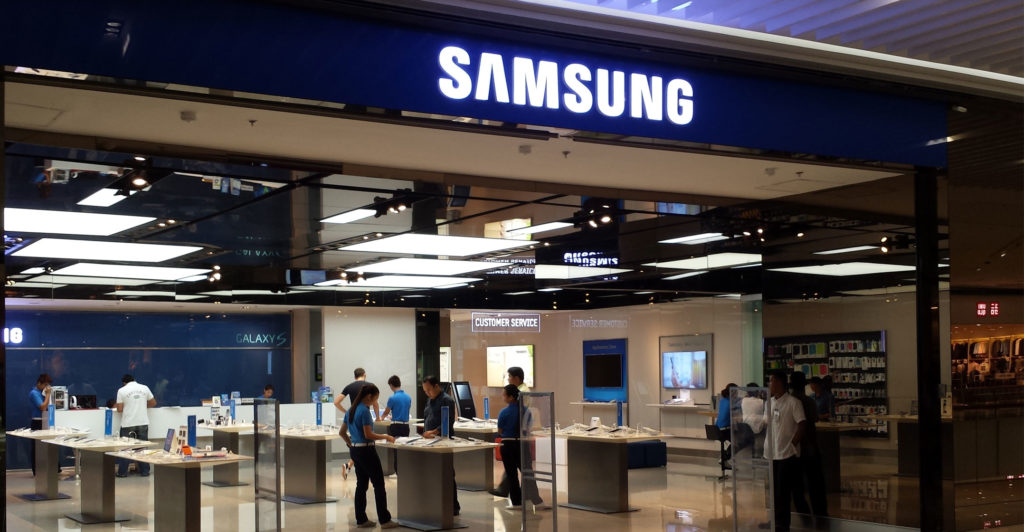
Samsung Electronics’ response to Apple’s much-improved iPhone 11 cameras is going to be a giant photographic arsenal strapped to the back of its 2020 flagship phones.
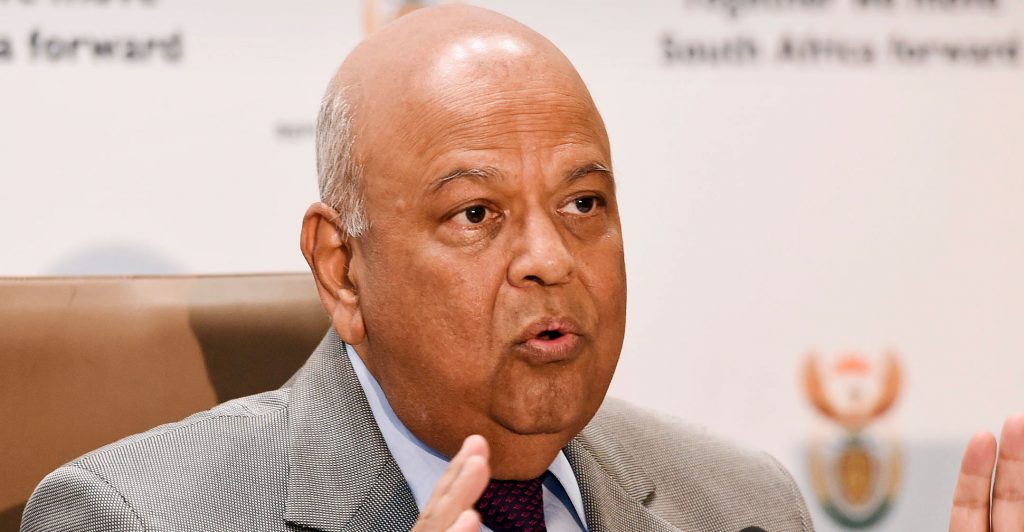
Government will relinquish control of the loss-making national airline and give it an additional bailout in a bid to stave off liquidation.
If you want to know how Alphabet’s new CEO, Sundar Pichai, will run the company you don’t need to look very far – he’s essentially been doing it for several years already.

US antitrust enforcers have broadened their scrutiny of Amazon.com beyond its retail operations to include its massive cloud computing business, according to people familiar with the matter.
Huawei Technologies has sued the US Federal Communications Commission, seeking to overturn a regulatory decision that will hurt the Chinese corporation’s business with its last major American clients.
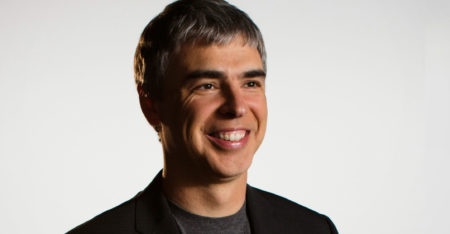
Google founders Larry Page and Sergey Brin are stepping down as leaders of parent company Alphabet, ending day-to-day involvement as regulators intensify scrutiny of an Internet industry the two men helped create.
It’s turning out to be one of the worst years ever for auto workers across the globe amid shrinking demand and a tectonic shift in vehicle technology.
The US has been warning other countries not to buy telecommunications gear from China’s Huawei and ZTE. The government will soon put real money behind the effort.
Amazon.com needs to shake off a patchy record in live sports when it brings the world’s richest soccer competition to millions of fans from Tuesday.