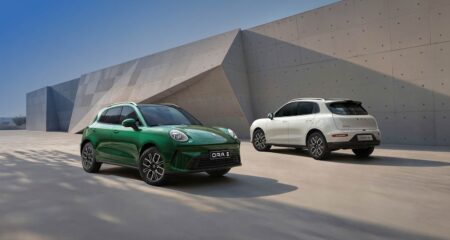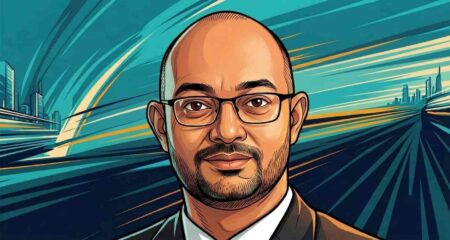
Rubicon’s public charging network is profitable and grew usage markedly in two months as fuel prices spiked, the company’s e-mobility head has told Watts & Wheels host William Kelly.
Hilton Musk said usage climbed roughly 30% in a single month, then another 30% the month after. “We thought it was a fluke,” he said. “But it carried on.” Growth started levelling off in June, largely because importers have sold through their stock of affordable EVs.
Rubicon, founded in Port Elizabeth (now Gqeberha) in the mid-1980s as an electrical supplier to the likes of Volkswagen, now runs 125 chargers and wants a thousand within five years – about eight times its current footprint.
The network turned profitable roughly a year ago, which Musk put down to concentrating on dense urban markets: Cape Town, Johannesburg, Pretoria, Durban and Bloemfontein. Around 90% of driving happens inside those hubs, he said, with the other 10% between them.
Watch the video
The company has chargers on the N3 and N4 and opened the Durban-Cape Town route in 2024. The N1 remains GridCars territory.
Musk expects public charging to take a larger share in South Africa than the 80/20 home-to-public split seen in mature markets – closer to 70/30 – because many EV owners live in complexes and estates with no charging.
At R7/kWh, Rubicon’s DC charging works out to roughly R1/km, against about 50c/km on municipal power at home. Both undercut petrol comfortably.
Listen to the episode
He is sticking with 2028 as the year battery-electric vehicles reach 5% of new passenger sales. Count hybrids and plug-ins, he said, and the market is nearly there already.
Don’t miss the discussion – and click here to subscribe to Watts & Wheels on YouTube.
Subscribe for free
To subscribe to any of TechCentral’s other shows, including TCS, TCS+, Meet the CIO and TCS Legends, please use the links below: