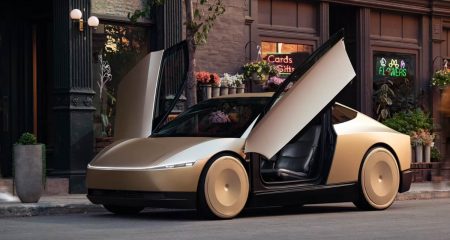
Much has been written about how miserable electric vehicle sales have been in South Africa. Car makers evidently think that is about to change. At the Festival of Motoring at Kyalami from 28-30 August, at least 19 battery-electric models were on display, several still without confirmed pricing. Only one of them was not Chinese.
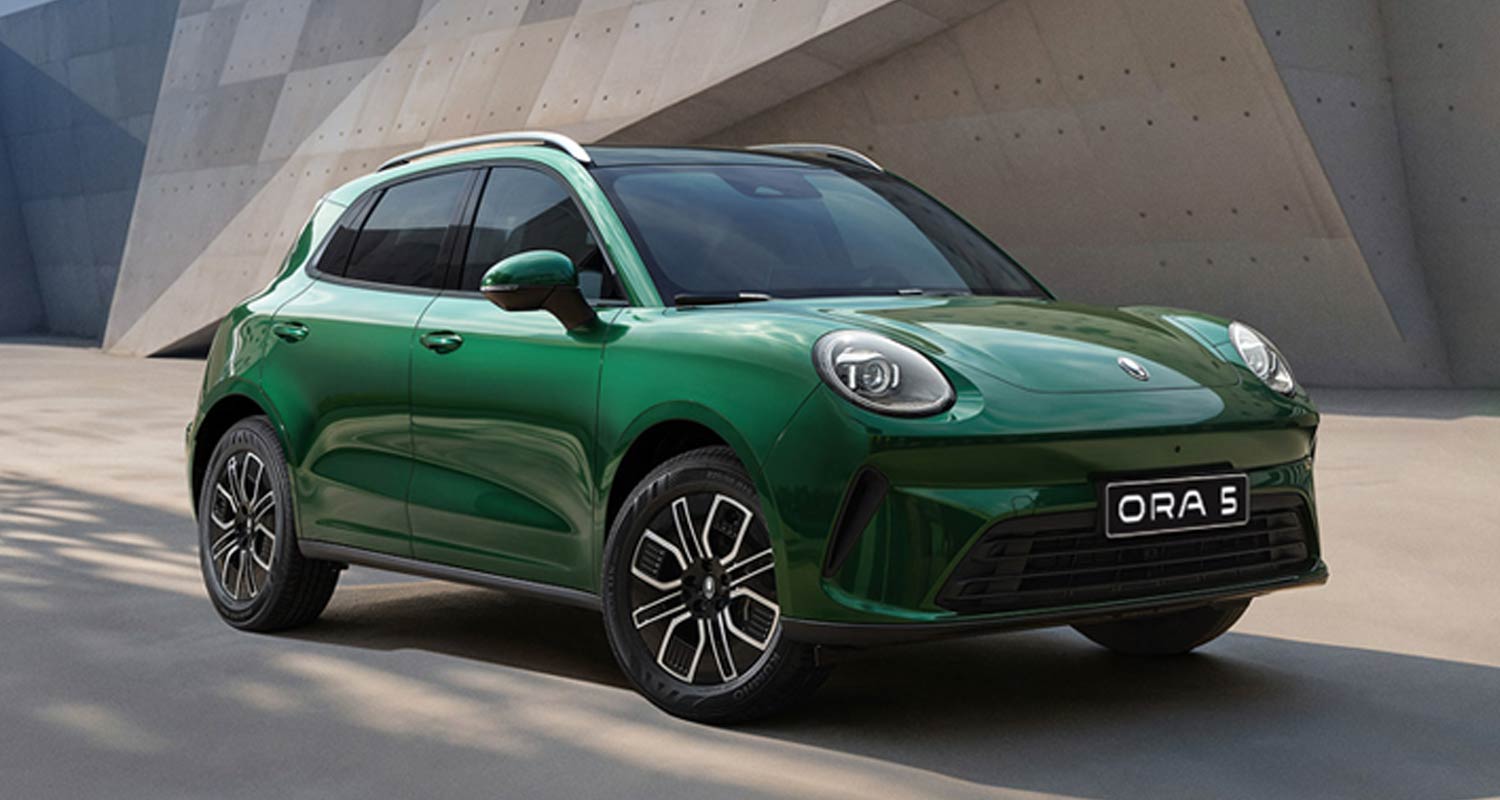
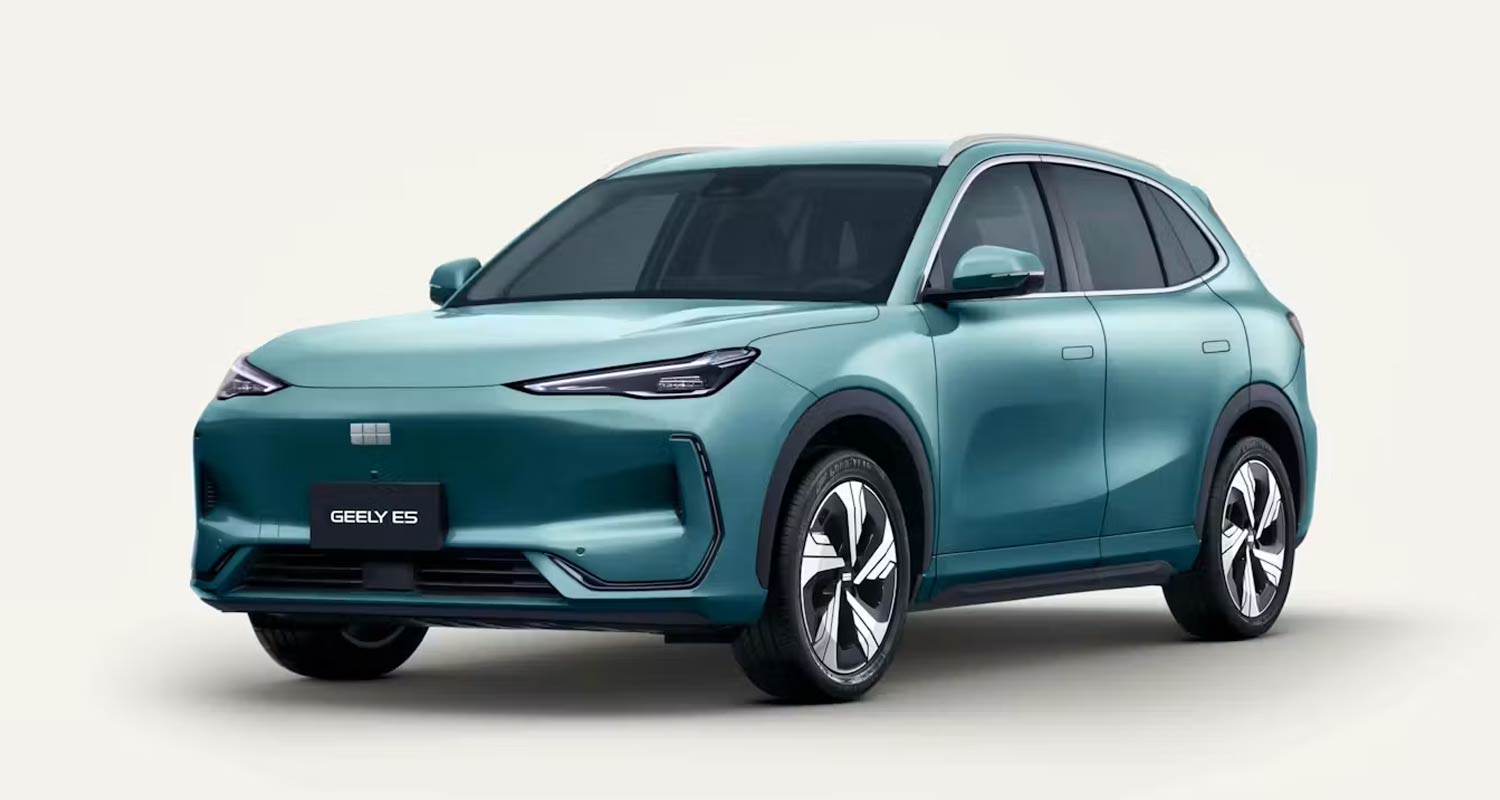
The line-up included the BAIC Arcfox T1, Changan Deepal S07, Chery Q, Dongfeng 007, Box and Vigo, Forthing Friday, Geely E2, E5 and Riddara, GWM Ora 5, iCaur V23 and 03T, Jaecoo J5, Kaiyi X3 and e-Qute04, Lepas L4 and L6, and the Suzuki e Vitara.
The reason this matters is a pricing gap: around 61% of new car sales in South Africa happen below R400 000 (Toyota SOMI 2026), and in that band Suzuki alone fields no fewer than 11 models.
Until the Festival of Motoring there were four battery-electric options at that price. The Dongfeng Box, the Chery Q, the Geely E2 and the BYD Surf – and all but the Surf are essentially brand new to the market. The Chery Q, previewed at Kyalami and due before the end of 2026, is priced from R349 000.
Expect a significant jump in battery-electric sales to show up in the fourth quarter and the first half of 2027. After that it remains anyone’s guess.
It is worth being clear about the base that this is growing from. Industry body Naamsa recorded 16 289 new energy vehicle sales in the first seven months of 2026, up 88% year on year and equal to 4.4% of all new vehicle sales. But of that total, 8 078 were conventional hybrids and 5 851 plug-in hybrids. Only 2 360 were battery-electric – roughly one in seven of an already small category.
The loneliest car at Kyalami
Naamsa’s own reading is that South Africa is on a technology-diverse pathway rather than a rapid switch to battery power, with hybrids doing most of the work because of affordability, driving patterns and charging availability. Plug-in vehicles did overtake conventional hybrids in July, at 54.4% of new energy vehicle sales, so the mix is shifting.
Which brings us back to the one non-Chinese model. The Suzuki e Vitara stood more or less alone on the Suzuki stand under its mandatory shroud. Suzuki would not confirm a price, or even that the car is coming to South Africa. The company showed the four-wheel-drive version as its proposed local specification and said it was EV-ready “should conditions support it”.
It is coming. The more interesting question is what Toyota does with its version of the same car, the Urban Cruiser BEV. It will have to bring it, because it needs something to compete with the Chinese, and outside the R1-million-plus bracket the battery-electric market here is now almost entirely Chinese.
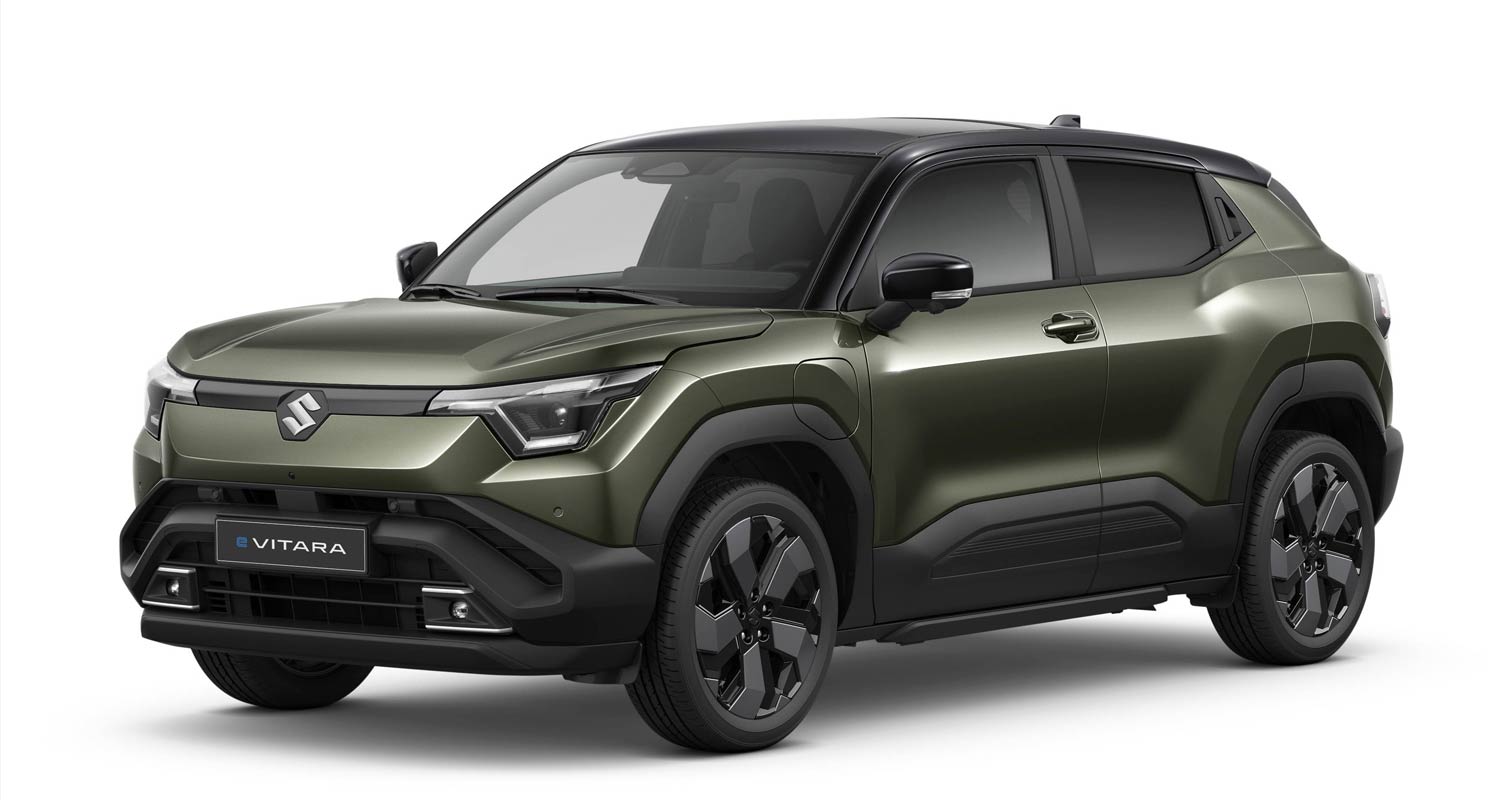
The problem is that the quality on display leaves the e Vitara struggling. On features, the Chinese are ahead, which means the e Vitara competes on badge and brand. On the other hand, Suzuki is legendary for reliability and cost-effective motoring, and its sales numbers are hard to argue with.
Hence pricing will be decisive, and if Suzuki gets it right the e Vitara becomes a staple, outgunned on technical sophistication perhaps but backed by a reputation the Chinese brands have not had time to build. All those features may not be what customers actually want, and Suzuki’s sales figures will be the evidence.
That is why the e Vitara was arguably the most significant car at the show. It signalled that the Japanese have finally started responding to the fight arriving on their doorstep. That is good competition for everyone.
Brands to watch
Three names worth tracking are Geely, LDV and Dongfeng. Geely is better known here through its ownership of Volvo and is among the world’s largest car makers by volume. LDV sits under SAIC, which also owns MG and is one of China’s two biggest manufacturers. Dongfeng is the smallest of the three but still a global top-15 producer.
These are global heavyweights. South Africa may be less familiar with them than with Chery and its sub-brands, but none of the three is a fly-by-night operation coming to dump a few models, take some cash and disappear. They are serious players, and there will be fierce fighting for market share.
The brands that look beyond the showroom floor and underpin their products with something like a guaranteed future value will be the household names in five years. In the meantime, expect churn.
The two things standing in the way
Supply is arriving. Two obstacles remain, and neither is going to clear on its own:
- The first is charging, and it is improving faster than most people realise. Rubicon told TechCentral’s Watts & Wheels that its public charging network is profitable and grew usage by roughly 30% in a single month and 30% again the month after, as fuel prices spiked. Growth levelled off in June – and the reason is instructive. Importers had sold through their stock of affordable electric cars. The demand was there and the metal was not. That is precisely the constraint the Kyalami line-up is about to lift. GridCars, the biggest player in this space in South Africa, echoed the sentiment, also on Watts & Wheels.
- The second is tax policy, and it pulls in two directions at once. Imported EVs attract a 25% import duty against 18% for internal combustion vehicles from the EU, and ad valorem duties push retail prices higher still because electric cars sit at higher price points.
At the same time, government has legislated a 150% investment allowance for manufacturers of electric and hydrogen-powered vehicles, effective from 1 March 2026 and running for a decade, with R964-million allocated over three years.
So, the state is subsidising production while taxing consumption, and there is no large-scale EV manufacturing here yet to use the incentive. Joubert Roux, chairman of charging network Zero Carbon Charge, has argued that South Africa “cannot tax clean mobility as a luxury” while claiming decarbonisation and industrial growth as priorities.
Pressure is mounting on that mismatch, and the consumer is the likely beneficiary. What the Festival of Motoring showed is that the supply side has stopped waiting for policy to catch up. – © 2026 NewsCentral Media
- The author, William Kelly, is host TechCentral’s motoring show, Watts & Wheels