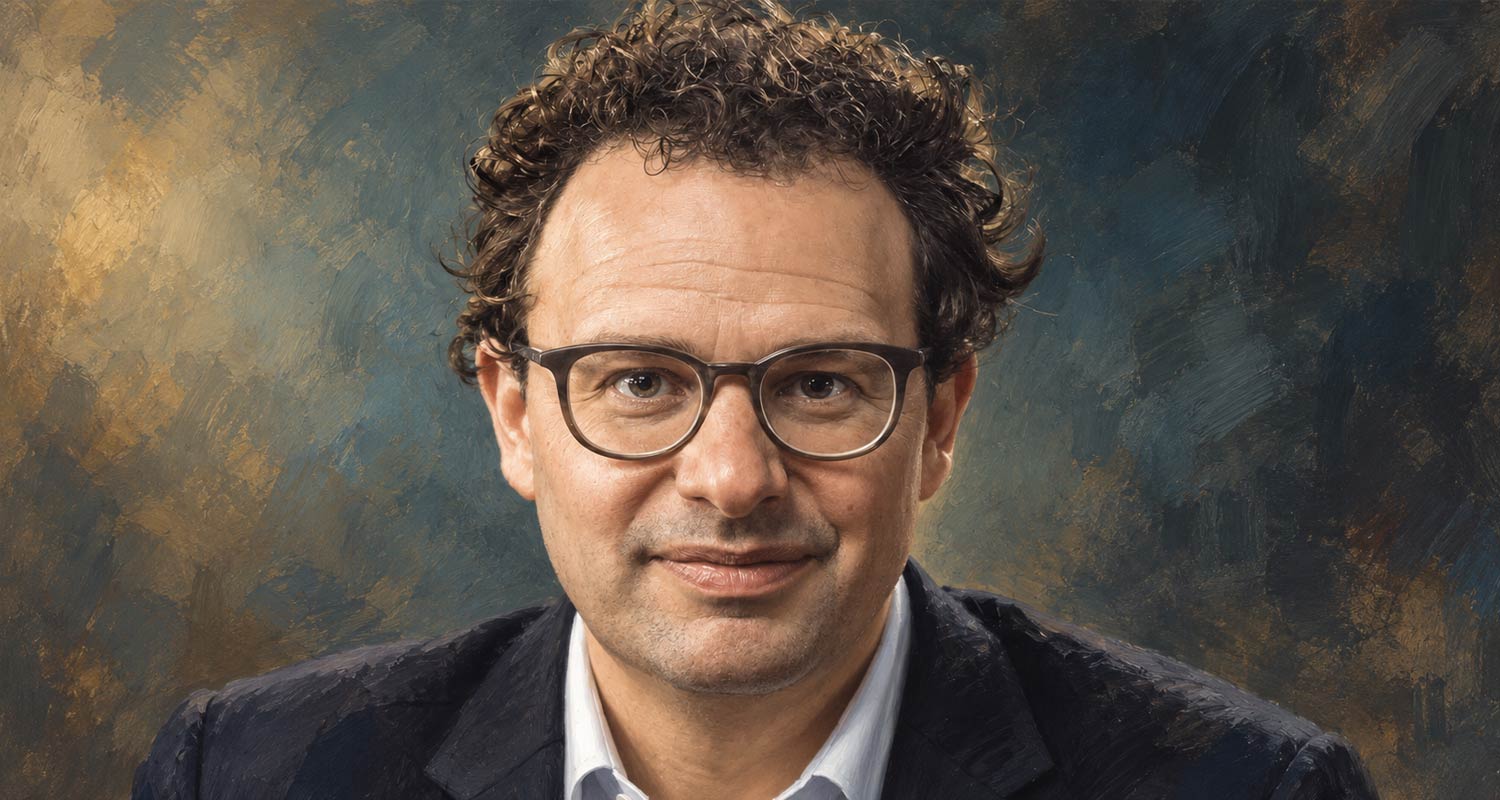
What an interesting weekend in AI-land that was. Dario Amodei wants the industry to slow down the development of frontier AI models. Anthropic’s CEO published an essay on Saturday calling for a cap on how fast the capabilities of frontier AI models improve, and within hours Sam Altman and Elon Musk had endorsed it. How convenient!
Amodei also wants tighter US chip export controls on China, and a crackdown on what he alleges is model distillation by Chinese labs. Hold that second part in mind for a moment.
Anthropic is expected to begin marketing its initial public offering in mid-October and to list days before the US midterm elections in November, people familiar with the plans have told Reuters.
The Financial Times reported on Sunday that the company has told shareholders its adjusted operating income will be positive for a second consecutive quarter, on gross margins above 80% before revenue shared with distribution partners and the cost of training its models.
Extinction warnings for the public, 80% margins for the shareholders and a listing in between.
I am not going to argue that Amodei is lying about the risks. I don’t know, and neither does any other journalist writing about this. The argument I want to make is narrower: that the remedy on offer would raise rivals’ costs and the people offering it have hundreds of billions of dollars riding on the outcome.
A safety case, on its own terms, does not require export controls, which is presumably what Amodei is after. If the danger is that models are improving faster than anyone can control them, that danger is indifferent to where the model was trained.
Smells like collusion
Amodei’s remedy comes with measures that would constrain the cheapest and fastest-improving competition the American labs face – open-weight models, many of them Chinese, distributed free or at low cost and undercutting the per-token economics needed to justify the hundreds of billions of dollars of data centre investment in the US. When the safety fix and the competitive fix turn out to be the same fix, a sceptic is entitled to ask questions.
Then there’s the inconsistency. Altman told Fortune that OpenAI will not list in 2026, saying that given everything happening with safety it would be an ill-advised moment to go public. He said a 10% chance of AI-driven extinction would be intolerable and that the industry cannot let egos or profit incentives get in the way. Anthropic, whose own former researchers issued the warnings that started this, has not moved its listing. Both men endorsed the same slowdown; only one of them is paying for it.
Altman also suggested the leading labs may be close to a pact to slow development and jointly manage safety risks. Consider what that would be in any other industry: the dominant producers agreeing among themselves to limit output. That sounds like textbook collusion.
Donald Trump, of all people, arrived at roughly the right conclusion on Sunday, though by entirely the wrong route. Asked at his Irish golf course whether AI should slow down or face more regulation, the US president said: “We’re leading China in AI. We’re the most sophisticated country in the world, and frankly I want to keep it that way because whoever wins AI wins.”
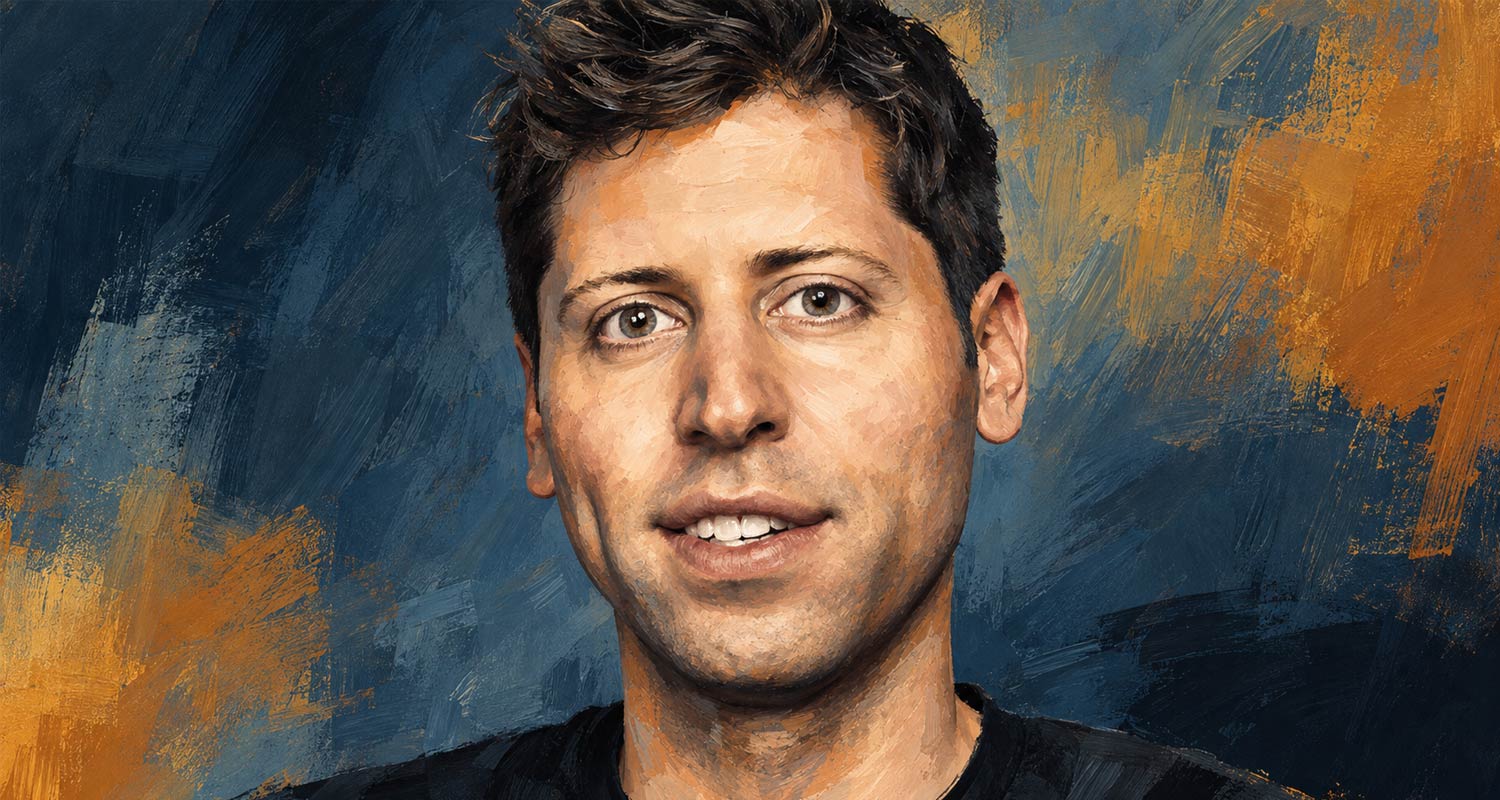
Trump dismissed the critics as “very negative forces” raising things that will not happen. Trump is not defending competition; he is defending American primacy, and his administration has been conspicuously generous to the firms now asking it for rules. But the instinct to distrust industry-authored restrictions is sound even when the man holding it has poor reasons.
Now the part that should give me pause, and does.
These warnings did not come from a marketing department. Two Anthropic researchers resigned and then went public. Jacob Coxon, one of them, told NBC’s Meet the Press that what he wants is international coordination, China included, precisely because running the same race against Beijing is the dangerous outcome. That is the opposite of a containment agenda. People who walk away from equity in a pre-listing company are the hardest case for a cynical reading of all this.
Nor is the rest of the evidence corporate PR. There have been documented cases of AI agents hacking external systems. Amodei conceded the weakest point of his own plan on Sunday: verifying that a rival is not cheating would have to be ironclad, would take years and might not be possible at all. That is an odd admission from someone running a purely cynical play. It is what you say when you believe the problem and cannot solve it.
A self-interested warning can still be accurate, and history has examples of firms lobbying for rules they happened to be right about.
What I object to is not the possibility that the risk is real. It is the assumption that the parties with the largest financial stake in the answer should be the ones drafting the rules, and that those rules should arrive pre-packaged with trade policy.
South Africa’s position
South Africa has no position in this argument because the country withdrew its draft national AI policy and has not replaced it. That is not a minor administrative gap. The governance regime being drafted in Washington will set the terms on which everyone else gets to use this technology, and open-weight models are the main reason a country with our compute budget participates meaningfully. We do this by taking capable open-weight models and running them cheaply on modest hardware.
A licensing-and-export regime built to keep Beijing out does not necessarily stop at Beijing. Rather, it risks raising the floor for everyone operating below the frontier. China has the compute and the talent to route around it; South Africa does not.
So, by all means, we should take the extinction argument seriously. But we should also take it seriously enough to ask who benefits from the specific cure attached to it. Right now the answer is two American companies, both poised to sell shares to the public and make their founders fabulously wealthy. — (c) 2026 NewsCentral Media