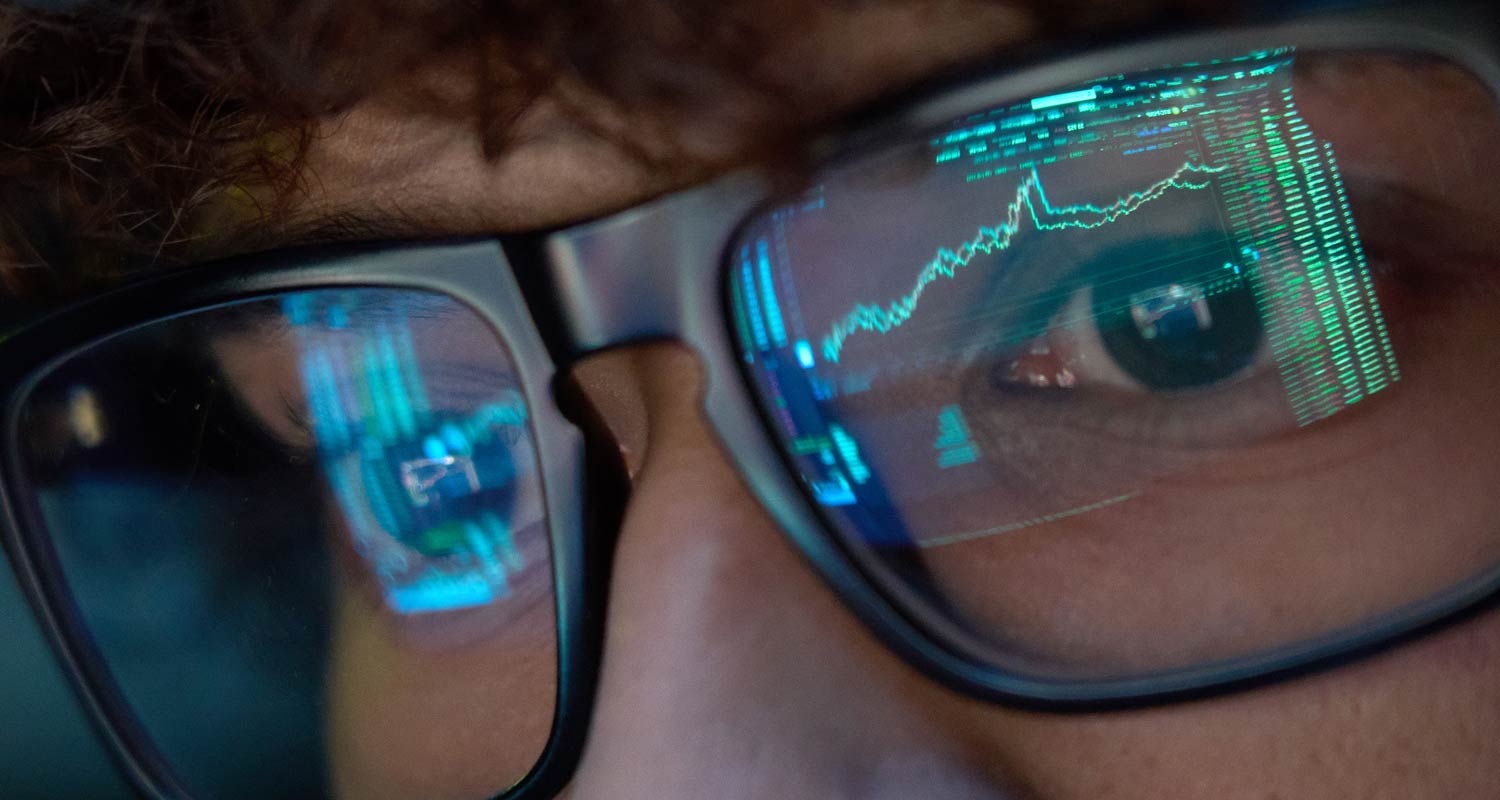
Anyone at your next board meeting could already be recording it on a phone left face down on the table. Smart glasses add video, shot at eye level, of everything the wearer looks at, including the slides and the screens. And nobody asks a colleague to take off their glasses.
Meta and EssilorLuxottica said last month that Ray-Ban Meta and Oakley Meta glasses would go on sale officially in South Africa later this year. A formal launch, backed by retail partners and marketing budgets, will put far more of them into circulation, including in your offices.
Courts in England and Wales have prohibited Meta’s glasses, and New York’s court system banned all recording eyewear from its buildings from 20 July. British cinema operators are drawing up their own rules. In Australia, public service minister Katy Gallagher has asked the country’s public service commission whether camera-equipped glasses should be barred from government workplaces altogether.
The same risks apply in South African boardrooms, trading floors, hospital wards, laboratories, data centres and client meetings.
The Regulation of Interception of Communications Act (Rica) prohibits recording a conversation you are not part of. But section 4 lets anyone who is a party to a conversation record it without telling the others. That includes the colleague across the boardroom table, the supplier pitching for a contract and the candidate in a job interview.
The Protection of Personal Information Act (Popia) does not apply to processing “in the course of a purely personal or household activity”, a gap TechCentral highlighted in July. That exemption offers employers no cover, though: an employee recording a client meeting for work is not engaged in a household activity. Popia’s responsible party is whoever determines the purpose and means of processing, and when the recording is made for work, that may well be the company. A company could therefore be answerable for recordings it didn’t know existed and doesn’t control.
What a policy needs
The Information Regulator, which met Meta in September while the company demonstrated the glasses, was cautious in its responses to TechCentral this week. Several existing laws “may potentially be relevant”, it said, and the legal framework “may be capable of addressing a range of harmful conduct”.
A smart-glasses policy need not be complicated. It should set out where the glasses may not be worn, such as boardrooms, server rooms, HR or legal meetings, and anywhere customer data is on screen. It should say whether staff may use them for work and, if so, with which features must be switched off. It should tell visitors what to do at reception; New York’s courts simply ask people to hand them over for safekeeping. And it should cover how work recordings are stored and deleted.
Governments are reaching for blunter tools. Norway’s government, for example, has said it will propose a temporary ban on AI glasses in places such as schools, parks, beaches and shopping centres. I’m sceptical: a ban on devices that look like ordinary sunglasses would be close to unenforceable on a beach.

Germany’s federal and state data protection authorities said in September that wearers are responsible for their recordings and that an indicator LED is not enough to tell people they are being filmed. The Dutch regulator has said that filming others with camera glasses is “almost always” prohibited. Neither required new legislation — both simply set out how existing law applies.
South Africa’s Information Regulator could do the same in a guidance note, as it already has for direct marketing and for children’s personal information. It should do so before the glasses go on sale officially.
Until then, any company without a policy has left the decision to whoever walks into its next board meeting wearing a pair. – © 2026 NewsCentral Media
- The author, Duncan McLeod, is editor of TechCentral