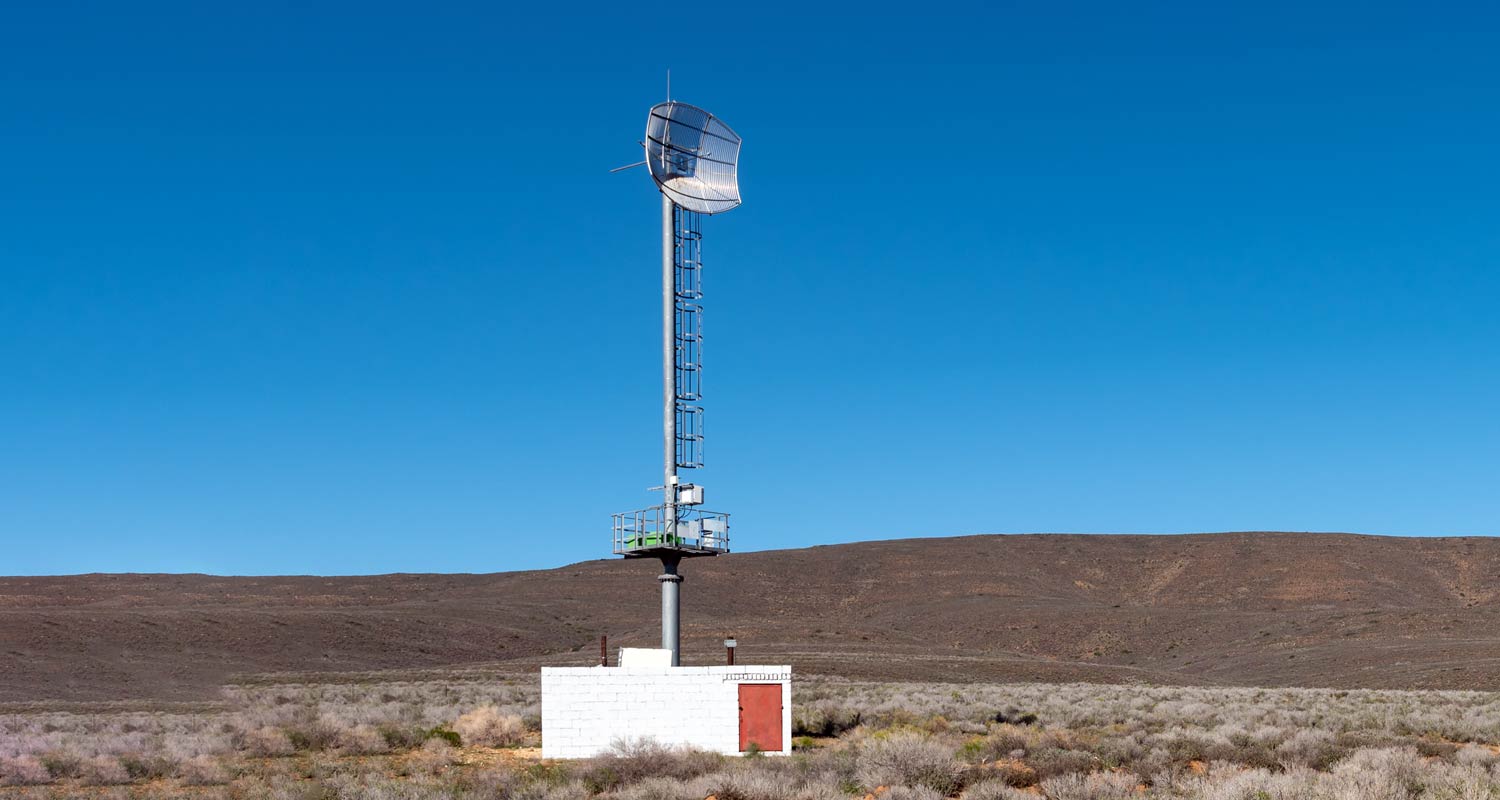
The Universal Service and Access Agency of South Africa (Usaasa), which government has said it intends to abolish, has begun public consultation on what universal access to communications services should mean, more than 14 years after the last universal access targets lapsed.
A discussion document published in the Government Gazette on Thursday asks whether the minister’s 2010 determination of universal access and universal service should be updated. Comments close on 30 October.
The 2010 determination, published as Government Notice 85 in February 2010, set numerical targets for public access points, household access, affordability and broadcasting. Those targets applied for no more than two years. Usaasa now says they “must not be presented as current targets” without separate legal verification, and that it still has to confirm the present legal status of the determination itself. The document identifies no targets that replaced them.
Usaasa’s preferred approach, which it calls a “targeted revision”, would keep the 2010 distinction between shared public access in communities and services that individuals or households can obtain. The definitions would be updated to include broadband and emergency communications, at a quality and cost that permit “effective use”.
It proposes no numbers: no minimum broadband speed, no affordability threshold and no maximum distance to a public access point. Benchmarks would be developed later through a separate instrument, with its own consultation and review timetable. A fixed percentage or speed, the document says, should not be adopted without testing its consequences for low-income households.
The proposed definitions are technology neutral. Satellite, wireless and fixed technologies could be treated equally if they meet the required service attributes.
The document also cautions against relying on a single access statistic. Citing communications regulator Icasa’s State of the ICT Sector report for March 2026, it says 82.1% of households had internet access from any location in 2024, but only 17.4% had access at home.
Subsidies and payments
Usaasa is also consulting, in a separate discussion document, on the categories of needy persons who qualify for support and on how subsidy applications and payments should work. Comments on both close on 30 October.
Separately, Malatsi has approved the first manual for the Universal Service and Access Fund. Usaasa says on its website that it has run the fund without one since it was established in 1997. The manual separates subsidies from incentives paid as project grants, and sets principles for grants including competition, value for money, technology neutrality and performance-based funding. Separate procedural guidelines will govern applications and payments.
The agency running the consultation may not be around to see it through. In a reply to a parliamentary question from the DA’s Tsholofelo Bodlani, approved on 4 September, communications minister Solly Malatsi said Usaasa’s disestablishment “must be preceded by legislative enablement”.
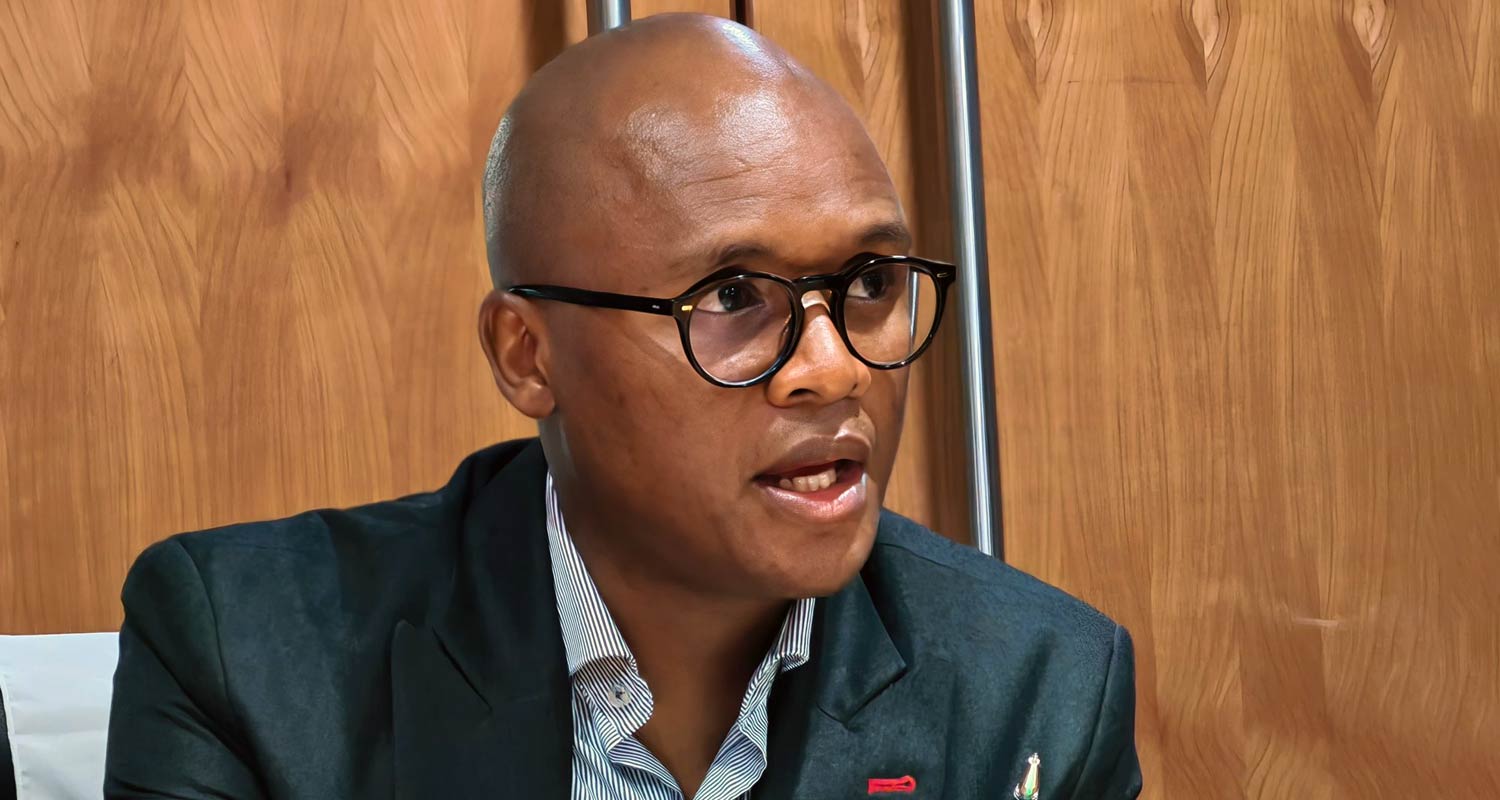
A separate bill would convert the Universal Service and Access Fund into a Digital Development Challenge Fund that co-finances projects, disestablish Usaasa and transfer its employees, assets and liabilities to their successors. That bill has not been published. It must first go to a cluster of ministers and then to cabinet for approval to begin public consultation. Malatsi said it was anticipated that it could be introduced in Parliament “in the next financial year”.
The Electronic Communications Amendment Bill now before parliament, which deals with spectrum sharing, roaming and municipal wayleaves, makes no provision for Usaasa or the fund.
The reply also shows where the fund’s money went in 2025/2026. Of R521.2-million spent, R430.7-million, or about 83%, went to the broadcasting digital migration project, which supports the switch from analogue to digital terrestrial television. Broadband projects received R83.3-million, or 16%. The rest went on project overheads and audit fees. – © 2026 NewsCentral Media