
Blu Label Unlimited Group says the wave of alliances reshaping South Africa’s payments and telecoms markets will help, not hurt, its business, because it has chosen not to join any of them.
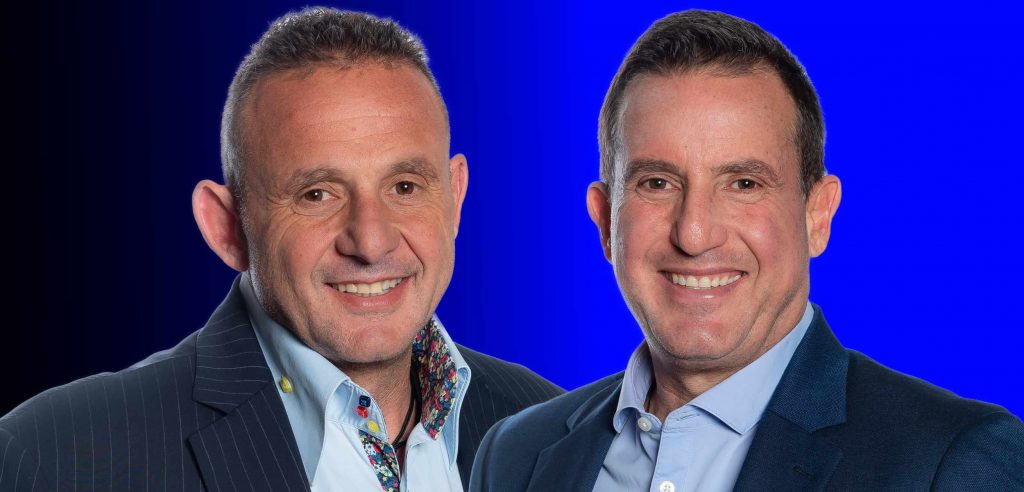
Speaking on a pre-close investor call hosted by Prescient Securities on Tuesday, co-CEO Brett Levy said the group decided long ago to stay out of its customers’ way. “We want to be a neutral aggregator and supply everybody. We do not want to compete with our customers. We’ll never have a wallet. We will never have an app, and therefore all channels will be open to us forever.”
The past few months have produced a series of tie-ups. Pepkor is merging its Flash business with Shop2Shop to form a fintech group it plans to list. Lesaka, owner of Kazang, is buying Bank Zero. And on Monday, Shoprite announced a deal to buy into DNI, the group behind telecoms, fibre and fintech businesses.
Brett Levy argued that such deals push business towards a neutral supplier. Once a supplier picks a side, he said, its customers in rival camps stop buying from it. “It just means that who you’re tying up with is now who your camp is. And if you were supplying other camps, they’re not going to buy from you.”
Banks are insurers, insurers are banks, banks are telcos, telcos are banks.
Mark Levy
Blu Label learnt that the hard way, he said. When it bought into Cell C in 2017, “we had a very big backlash from MTN and Vodacom because we had now partnered up with Cell C”.
His co-CEO Mark Levy said the lines between industries had blurred – “banks are insurers, insurers are banks, banks are telcos, telcos are banks” – and that banks and mobile operators were growing wary of dealing directly with each other, because “the more they do stuff directly with one another, the more insight they get of consumer behaviour”. An aggregator in the middle shields that information, he said.
He said Capitec, which is pushing into point-of-sale terminals for informal traders, “is also going to have to pick wisely who they’re going to partner with”, and that Blu Label was now “a lot more likely to get far more embedded projects and partnerships”.
Handsets bounce back
Blu Label is also rebuilding a handset and contract business after Comm Equipment Company, which handled those sales, moved to Cell C as part of Cell C’s listing a year ago. Brett Levy said handsets had surprised the group, “up hundreds of millions actually for the six months in revenue, and more importantly in profit”. He gave no figures.
Traditional airtime sales were softer across all channels, he said, and electricity sales declined as the group stopped vending for municipalities where it made no margin. Blu Label wants more than half of its Pin-less sales to run through its own-brand vouchers within 24 months, up from what one analyst on the call put at 20-25%.
The group also expects to announce through the JSE by the end of November the refinancing of Sisonke Growth Partners, the empowerment partner that bought part of its Cell C stake with vendor funding. Brett Levy said banks had given full credit approval on Friday and that the deal would return about R1.2-billion to R1.3-billion to its treasury, with the cash expected in December.
Blu Label’s interim results for the six months to November are due in late February. – (c) 2026 NewsCentral Media