


If you’ve ever got your phone wet in the rain, dropped it in water or spilt liquid over it, you’re not alone. But it’s a myth that putting in rice will dry it out. These tips may, however, help.
If you’ve ever got your phone wet in the rain, dropped it in water or spilt liquid over it, you’re not alone. But it’s a myth that putting in rice will dry it out. These tips may, however, help.
Prosus suffers from the same problem as Manchester City Football Club: Because everyone knows it has access to vast amounts of capital, it’s always at risk of overpaying for acquisitions.
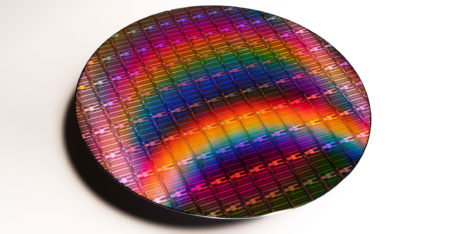
On the surface, Intel’s strategic pivot comes at an ideal moment. But despite its bold vision, the company is set to face challenges to its grand turnaround plan that will prove extremely difficult to overcome.

To understand why the $450-billion semiconductor industry has lurched into crisis, a helpful place to start is a $1 part called a display driver.
The decreasing performance of the existing Eskom plants is evident in the steady decline of the energy availability factor. On average, 35% of Eskom’s power plants are standing idle at any particular time.
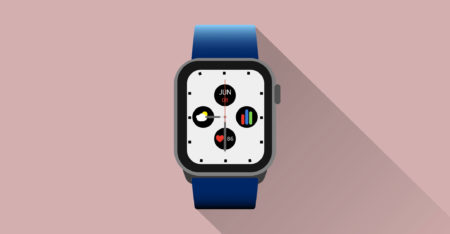
Scientists are thinking about whether the international definition of the second could be redefined to make it more precise.
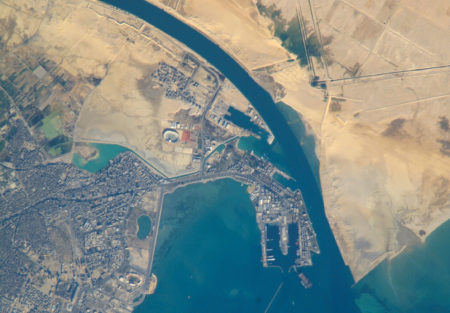
The errant container ship that blocked the Suez canal this week has cut off a route that handles more than 10% of international trade. It’s a reminder that even an advanced civilisation like ours has points of acute vulnerability.
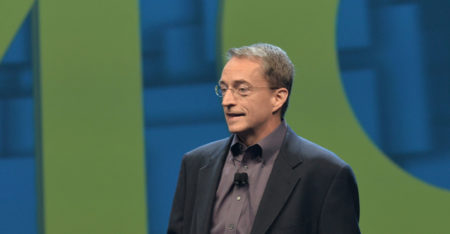
He may not be the leader of the free world, but Pat Gelsinger has just put himself at the helm of the Great American Revival amid a technology cold war that the US is paranoid it will lose.

The online meetings designed to get things done could be the very things harming our productivity. And there’s evidence that using audio only might be more productive than an overload of screen meetings.
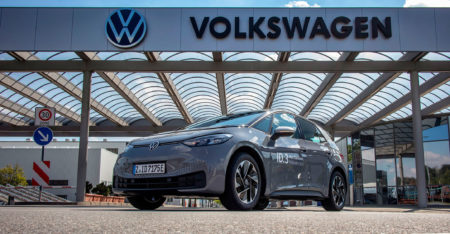
Volkswagen’s boss, Herbert Diess, is realistic about the threat posed by software-savvy and richly valued rivals such as Tesla, but he’s adamant that VW can prevail. On current form, he may be right.