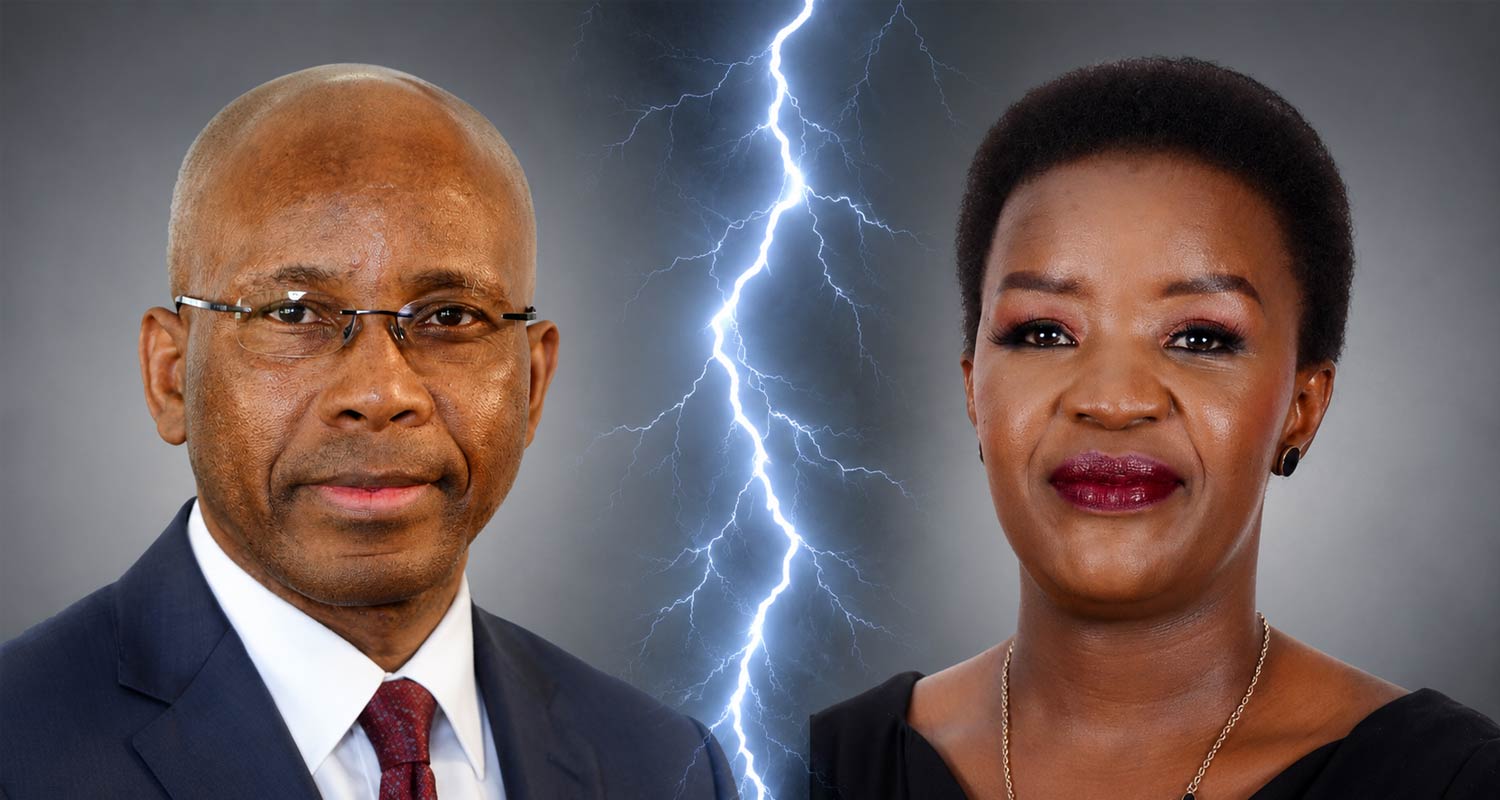
Eskom and Business Leadership South Africa (BLSA) have issued a joint statement declaring common ground on electricity reform, ending a public dispute that broke into the open in July.
The two say they held a “direct and constructive engagement” on the reform programme and the difficulties of carrying it out. The statement records that the meeting was initiated by Eskom chairman Mteto Nyati.
Both organisations now say they fully support the reform programme under government’s leadership, including the Eskom Restructuring Task Team and the second phase of its work now under way.
Both endorse the outcome the president approved after the task team’s first report: an independent transmission system operator that owns the transmission assets.
“We regard successful reform and a financially sustainable Eskom as complementary objectives, not competing ones,” the statement says. “We will not always agree on every aspect of implementation. Where differences arise, we are committed to engaging directly and on the substance.”
The dispute burst into public view in early July, when Nyati used X to accuse BLSA and Business Unity South Africa of hypocrisy, saying two lobby groups that had long criticised political meddling in state-owned enterprises were themselves advocating “political intervention” by pressing for the transmission assets to move to the new operator.
‘Carefully sequenced process’
Eskom CEO Dan Marokane had argued that immediately separating the transmission assets in law risked triggering cross-default clauses in the utility’s lender agreements. Mavuso dismissed that, saying bondholders deal with restructurings of this kind routinely. She said business remained committed to Eskom’s turnaround, but that support “cannot extend to accepting a rewriting of settled policy”.
That argument was settled at the end of July, when President Cyril Ramaphosa endorsed the task team’s first report and signed off on a transmission operator that owns the grid outright – reversing a plan the electricity minister had approved in December.
Mavuso at the time welcomed the decision “unreservedly”, saying BLSA had argued for an independent grid operator “against resistance from Eskom itself”.
Monday’s statement reads as each side conceding the other’s central point. BLSA gets the independent operator owning the assets. Eskom gets language on “a carefully sequenced process that safeguards Eskom’s financial sustainability, respects the rights of lenders and protects the country’s energy security” – which is the cross-default concern Marokane raised, restated as shared policy.
The task team, chaired by national treasury director-general Duncan Pieterse, was established in March and includes the presidency, treasury, the department of electricity & energy, Eskom and the National Transmission Company South Africa. Its second phase is producing a detailed implementation plan with timeframes.
The NTCSA, set up in July 2024 as an Eskom subsidiary, is acting as interim transmission system operator in the meantime. The Electricity Regulation Act, as amended, requires the independent operator to be in place by no later than 31 December 2029. – © 2026 NewsCentral Media
- Subscribe to TechCentral’s daily newsletter
- Get breaking news alerts on WhatsApp