Eskom reported R4.9-billion of irregular expenditure for the year to 31 March 2026, less than half the restated figure for the year before. But read further into the auditor’s report and a different number appears.
During the year, Eskom confirmed irregular expenditure of R36.8-billion relating to prior years. It has been restated in the governance and remuneration report rather than in the financial statements.
Deloitte found that matters awaiting a determination had an average ageing of roughly 1.69 years at year-end. Potential irregular expenditure sits unassessed for some 20 months, and by the time it is confirmed it is included as an adjustment to an earlier year’s opening balance rather than in the year the money was spent.
The auditors set out the consequence: the delays create a risk that current-year disclosures “do not fully reflect the extent of non-compliance, irregular expenditure and fruitless and wasteful expenditure incurred during the reporting period”.
Among the internal control deficiencies Deloitte lists is one that stands out: management did not have adequate controls to ensure that winning suppliers’ bids were received before the advertised closing date and time.
“As a result, we could not confirm whether the majority of the tenders awarded were received on or before the closing date and time advertised to the public for the competitive bids received through the tender office process,” the auditors wrote. “We reported a similar control deficiency in the prior years.”
The compliance section of the auditor’s report sets out eight material findings across five themes. Every single one carries a version of the same closing sentence: a similar non-compliance, or a similar limitation, was reported in the prior year.
Material misstatements and omissions
The financial statements submitted for audit contained material misstatements and omissions covering capital and reserves, financial risk management, fair values, going concern and impairment, contingent liabilities, commitments, and related-party transactions. All were subsequently corrected. Effective steps were not taken to prevent irregular expenditure, nor to collect all revenue due. Some goods and services were not procured through a process that was fair, equitable, transparent and competitive.
Deloitte could not obtain evidence that disciplinary steps were taken against some officials who had incurred irregular expenditure – because, it said, the investigations were never performed. Where investigations had been performed, disciplinary steps were not taken against some officials who permitted irregular or fruitless and wasteful expenditure. Investigations were not conducted into all allegations of financial misconduct. Disciplinary hearings were not held for confirmed cases.
“Notwithstanding the implementation of the audit recovery plan, there are some significant internal control deficiencies that resulted in negative audit outcomes in the prior and current years that were not adequately addressed,” Deloitte said.
Read: Eskom’s profit doubles even as it sells less electricity
Progress has been made. The company closed four of its five reportable irregularities during the year — covering delays in forensic investigations, incomplete and inaccurate financial records, failure to investigate and discipline officials responsible for irregular expenditure, and the submission of incomplete and inaccurate financial statements to national treasury and the auditors.
The remaining irregularity has been open since 2021. It covers failure to correct identified non-compliance with the National Environmental Management Act, the National Water Act and the Air Quality Act at multiple power stations – eight separate sections of the Water Act among them. Notices have been issued by the relevant authorities for some of the non-compliances, creating what the statements describe as a risk of sanctions and of litigation for continued non-compliance.
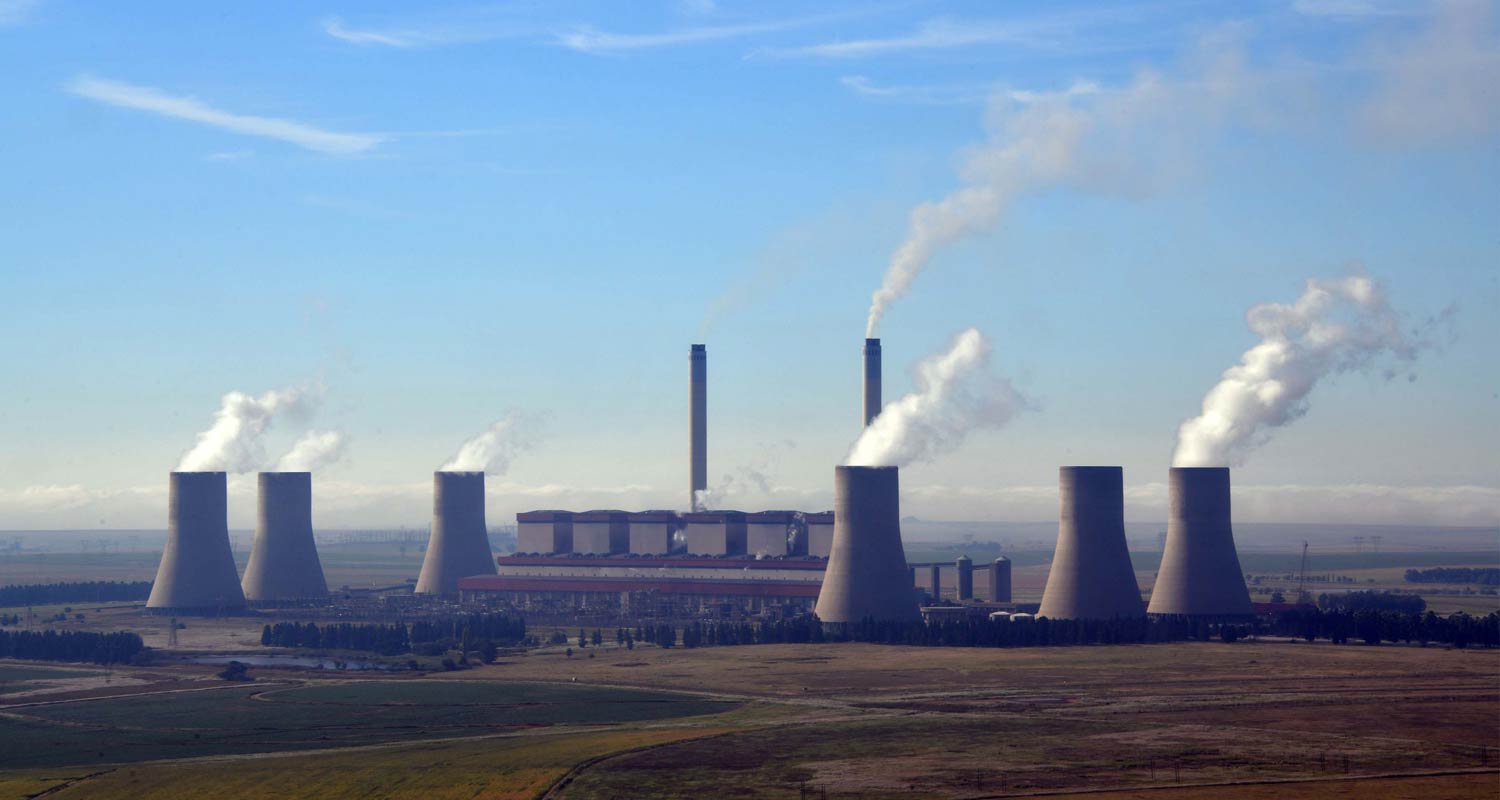
The breaches, the statements record, led the auditors to believe that the non-compliance “represents material breaches of the fiduciary duties of the directors of the company”.
Eskom’s response describes work under way to address the root causes of what it calls unlawful water overflows, along with an amended water use licence received from the department of water & sanitation in March and continuing implementation of an air quality plan.
Seven months to a clean audit
Outgoing group chief financial officer Calib Cassim told Monday’s results presentation that the board had set a three-year target for a clean audit and that he is confident Eskom will get there by the March 2027 year-end reporting period.
“If you can overcome load shedding, you can overcome making losses of eight years in a row,” he said. “Achieving discipline in terms of our policies and procedures – it’s only up to us.”
Deloitte’s assessment, in the financial statements, is that “insufficient progress has been made in addressing the underlying control deficiencies responsible for the recurring findings”. – © 2026 NewsCentral Media
- Subscribe to TechCentral’s daily newsletter
- Get breaking news alerts on WhatsApp