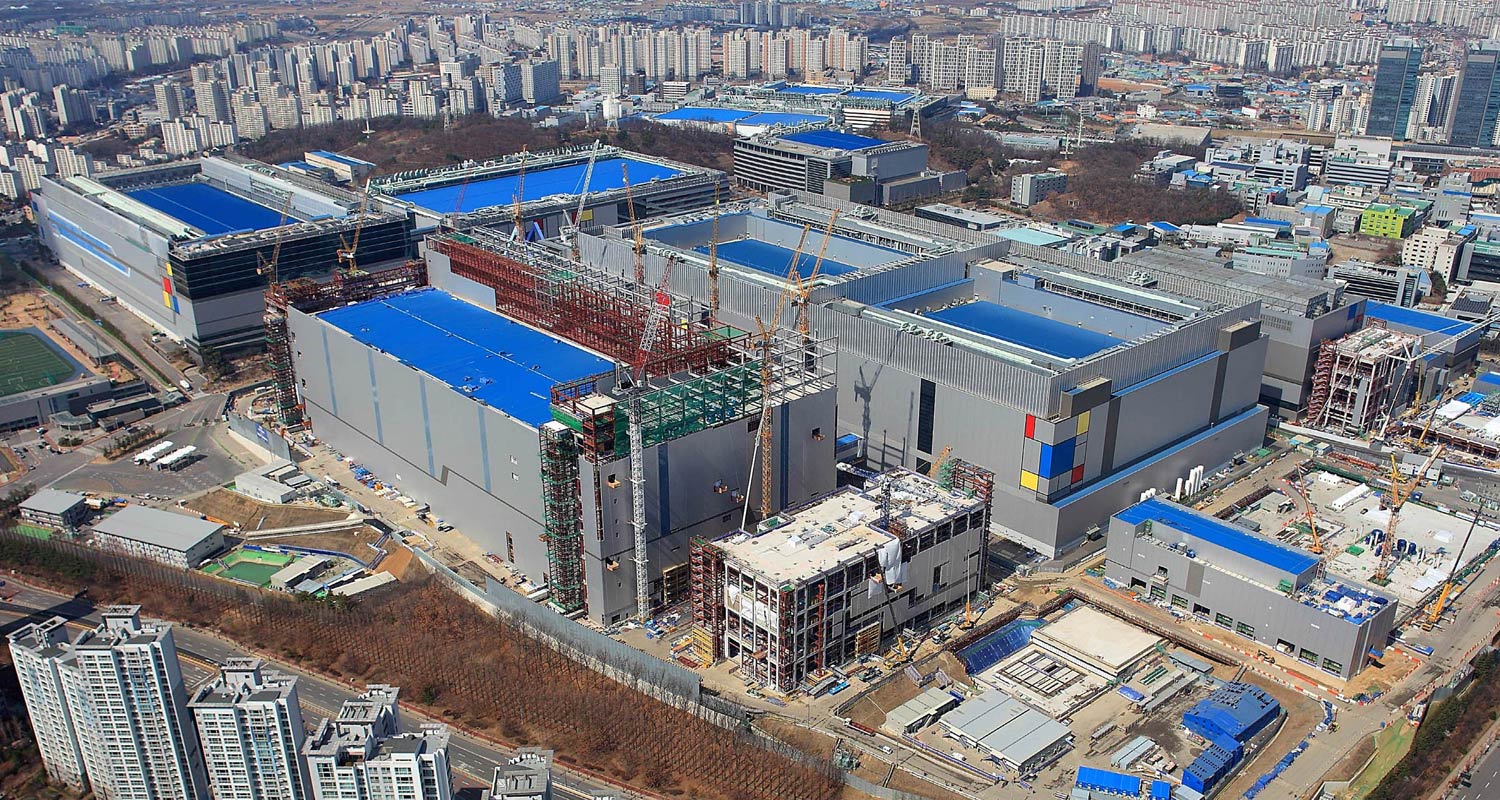
Samsung Electronics on Thursday projected that its quarterly profit would top ₩100-trillion, a world first for a technology company, estimating a nearly nine-fold jump in third-quarter earnings as booming demand for AI chips drove strong memory sales.
The world’s largest memory chip maker estimated an operating profit of ₩107.4-trillion (US$80.2-billion) for the July to September quarter. The forecast marks Samsung’s fourth straight quarter of record operating profit, underscoring a deepening global memory chip shortage as AI infrastructure investment outpaces supply growth, which has driven chip prices up sharply.
Samsung and Micron expect the imbalance to persist into 2028, although Chinese competition and a potential slowdown in AI spending pose risks to the longer-term earnings outlook.
Samsung’s shares moved sideways despite the record profit, slipping 0.2% in early trade against a 0.5% fall in the benchmark Kospi index. The share price has slumped more than 25% from a record high in June amid concerns about the durability of the AI boom.
Analysts have also recently trimmed their forecasts because of the sharp appreciation of the South Korean currency, which reduces the value of dollar-denominated overseas sales when converted into won.
“The market’s focus has shifted to whether the sharp earnings growth that started a year ago would be sustainable,” said Kim Seok-hwan, a market analyst at Mirae Asset Securities.
Analysts expect profit in the fourth quarter to grow 8.2% from the previous quarter, slowing from 20% sequential growth in the third quarter as chip price increases abate.
Moderation in memory prices
Market research firm TrendForce expects contract prices for conventional dynamic random-access memory (DRAM) to rise by 10-15% in the fourth quarter from the preceding quarter, much slower than a second-quarter surge of roughly 60%.
The moderation in memory prices is being closely watched by investors after a rally of more than a year that has propelled profit margins to record highs for the world’s largest memory producers, Samsung, SK Hynix and Micron. SK Hynix and Micron both crossed $1-trillion in market value in May.
Samsung said third-quarter revenue would likely rise 127% from a year earlier to ₩195-trillion. It will release detailed results, including a breakdown of earnings by division, on 29 October.
Memory chips are expected to account for the bulk of the earnings improvement.
Prices have soared because of the tight supply of conventional DRAM and NAND flash chips, as well as growing demand for high-bandwidth memory (HBM), which is essential for processing the vast amounts of data used in AI applications.
Douglas Kim of Douglas Research Advisory estimated that Samsung’s HBM bit shipments grew by close to 50% quarter on quarter in the third quarter, as Samsung tries to narrow the gap with SK Hynix in the HBM market.
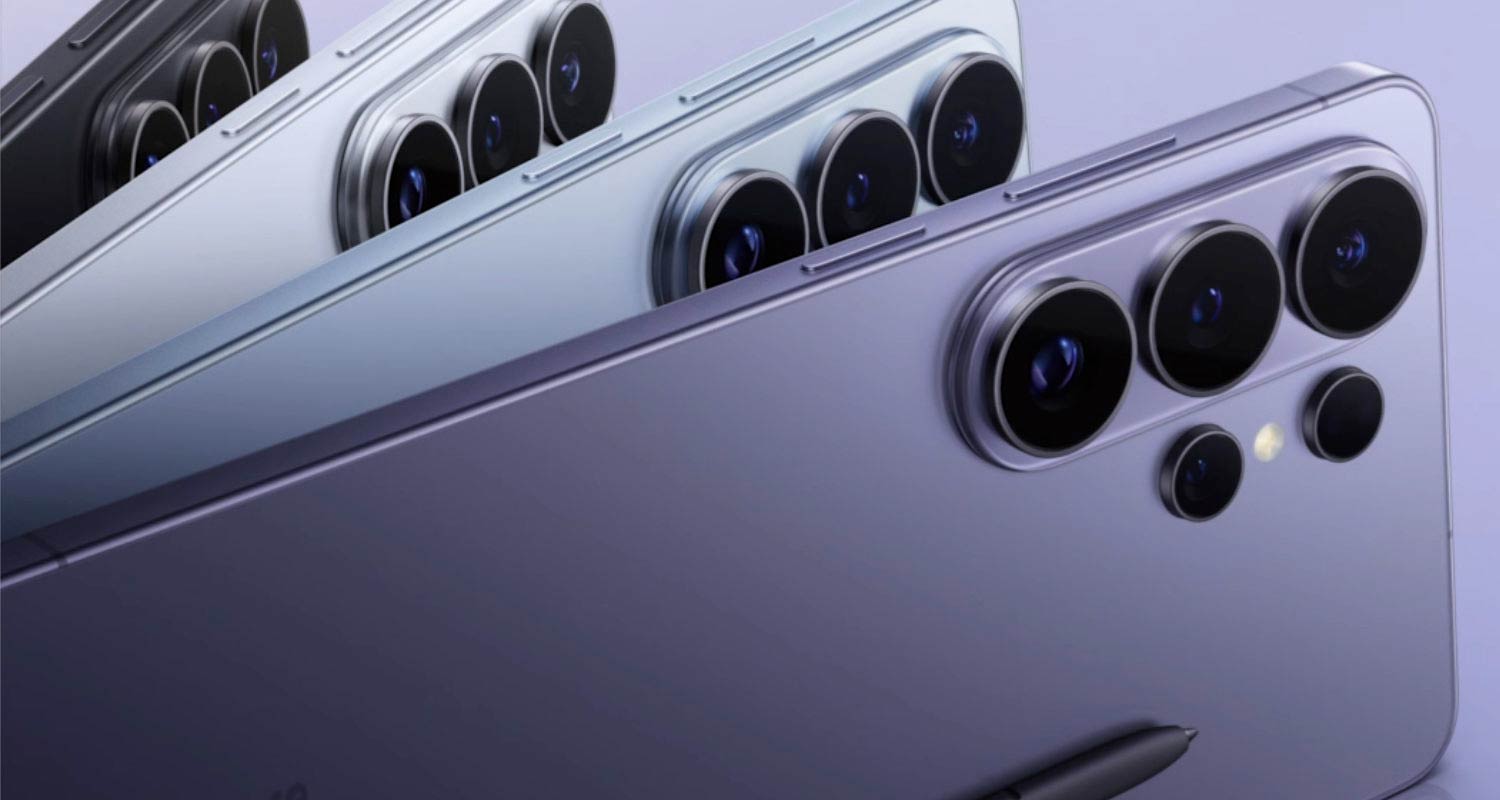
But the memory chip boom presents a challenge for Samsung’s other businesses, particularly its smartphone and consumer electronics divisions, which face mounting pressure from higher component costs – a squeeze that has hit the smartphone market hard.
Samsung’s mobile business posted a larger-than-expected loss of more than $1-billion in the third quarter, analysts said.
Samsung’s contract chip making, or foundry, business is expected to remain loss making because of the burden of fixed costs and still-low utilisation rates, analysts said.
However, utilisation is expected to improve over the next several quarters, supported by stronger demand for advanced manufacturing processes. Samsung has been trying to narrow the gap with industry leader TSMC in advanced contract chip making.
Investors said they would also be watching closely for details of Samsung’s shareholder return policy during its earnings call later this month. — Heekyong Yang, Joyce Lee and Hyunjoo Jin, © 2026 Reuters