

Close Menu
TechCentralTechCentral

    Subscribe to the newsletter

    Get the best South African technology news and analysis delivered to your e-mail inbox every morning.

    Facebook X (Twitter) YouTube LinkedIn
    WhatsApp Facebook X (Twitter) LinkedIn YouTube
    TechCentralTechCentral
    • News
      ASML announces chip manufacturing breakthrough

      ASML announces chip manufacturing breakthrough

      23 February 2026
      Home affairs to move all visa processing online - Leon Schreiber

      Home affairs to move all visa processing online

      23 February 2026
      Spar rethinks SAP roll-out amid franchise lawsuit and CEO exit

      Spar rethinks SAP roll-out amid franchise lawsuit and CEO exit

      23 February 2026
      Solar, wind and smart grids - the tech transforming South Africa's mining sector

      Solar, wind and smart grids – the tech transforming South Africa’s mining sector

      23 February 2026
      The real reason MTN is bringing its towers back in-house

      The real reason MTN is bringing its towers back in-house

      22 February 2026
    • World
      Xbox chief Phil Spencer retires from Microsoft

      Xbox chief Phil Spencer retires from Microsoft

      22 February 2026
      Prominent Southern African journalist targeted with Predator spyware

      Prominent Southern African journalist targeted with Predator spyware

      18 February 2026
      More drama in Warner Bros tug of war

      More drama in Warner Bros tug of war

      17 February 2026
      Russia bans WhatsApp

      Russia bans WhatsApp

      12 February 2026
      EU regulators take aim at WhatsApp

      EU regulators take aim at WhatsApp

      9 February 2026
    • In-depth
      The last generation of coders

      The last generation of coders

      18 February 2026
      Sentech is in dire straits

      Sentech is in dire straits

      10 February 2026
      How liberalisation is rewiring South Africa's power sector

      How liberalisation is rewiring South Africa’s power sector

      21 January 2026
      The top-performing South African tech shares of 2025

      The top-performing South African tech shares of 2025

      12 January 2026
      Digital authoritarianism grows as African states normalise internet blackouts

      Digital authoritarianism grows as African states normalise internet blackouts

      19 December 2025
    • TCS
      Watts & Wheels S1E4: 'We drive an electric Uber'

      Watts & Wheels S1E4: ‘We drive an electric Uber’

      10 February 2026
      TCS+ | How Cloud On Demand is helping SA businesses succeed in the cloud - Xhenia Rhode, Dion Kalicharan

      TCS+ | Cloud On Demand and Consnet: inside a real-world AWS partner success story

      30 January 2026
      Watts & Wheels S1E4: 'We drive an electric Uber'

      Watts & Wheels S1E3: ‘BYD’s Corolla Cross challenger’

      30 January 2026
      Watts & Wheels S1E4: 'We drive an electric Uber'

      Watts & Wheels S1E2: ‘China attacks, BMW digs in, Toyota’s sublime supercar’

      23 January 2026

      TCS+ | Why cybersecurity is becoming a competitive advantage for SA businesses

      20 January 2026
    • Opinion
      The AI fraud crisis your bank is not ready for - Andries Maritz

      The AI fraud crisis your bank is not ready for

      18 February 2026
      A million reasons monopolies don't work - Duncan McLeod

      A million reasons monopolies don’t work

      10 February 2026
      The author, Business Leadership South Africa CEO Busi Mavuso

      Eskom unbundling U-turn threatens to undo hard-won electricity gains

      9 February 2026
      South Africa's skills advantage is being overlooked at home - Richard Firth

      South Africa’s skills advantage is being overlooked at home

      29 January 2026
      Why Elon Musk's Starlink is a 'hard no' for me - Songezo Zibi

      Why Elon Musk’s Starlink is a ‘hard no’ for me

      26 January 2026
    • Company Hubs
      • Africa Data Centres
      • AfriGIS
      • Altron Digital Business
      • Altron Document Solutions
      • Altron Group
      • Arctic Wolf
      • AvertITD
      • Braintree
      • CallMiner
      • CambriLearn
      • CYBER1 Solutions
      • Digicloud Africa
      • Digimune
      • Domains.co.za
      • ESET
      • Euphoria Telecom
      • Incredible Business
      • iONLINE
      • IQbusiness
      • Iris Network Systems
      • LSD Open
      • Mitel
      • NEC XON
      • Netstar
      • Network Platforms
      • Next DLP
      • Ovations
      • Paracon
      • Paratus
      • Q-KON
      • SevenC
      • SkyWire
      • Solid8 Technologies
      • Telit Cinterion
      • Tenable
      • Vertiv
      • Videri Digital
      • Vodacom Business
      • Wipro
      • Workday
      • XLink
    • Sections
      • AI and machine learning
      • Banking
      • Broadcasting and Media
      • Cloud services
      • Contact centres and CX
      • Cryptocurrencies
      • Education and skills
      • Electronics and hardware
      • Energy and sustainability
      • Enterprise software
      • Financial services
      • Information security
      • Internet and connectivity
      • Internet of Things
      • Investment
      • IT services
      • Lifestyle
      • Motoring
      • Public sector
      • Retail and e-commerce
      • Satellite communications
      • Science
      • SMEs and start-ups
      • Social media
      • Talent and leadership
      • Telecoms
    • Events
    • Advertise
    TechCentralTechCentral
    Home » Sections » Electronics and hardware » Exploding pagers expose dark corners of Asia supply chains

    Exploding pagers expose dark corners of Asia supply chains

    The lethal hack of Hezbollah's pagers and walkie-talkies has sparked an intense search for the devices' path.
    By Agency Staff21 September 2024
    Twitter LinkedIn Facebook WhatsApp Email Telegram Copy Link
    News Alerts
    WhatsApp
    Exploding pagers expose dark corners of Asia supply chains
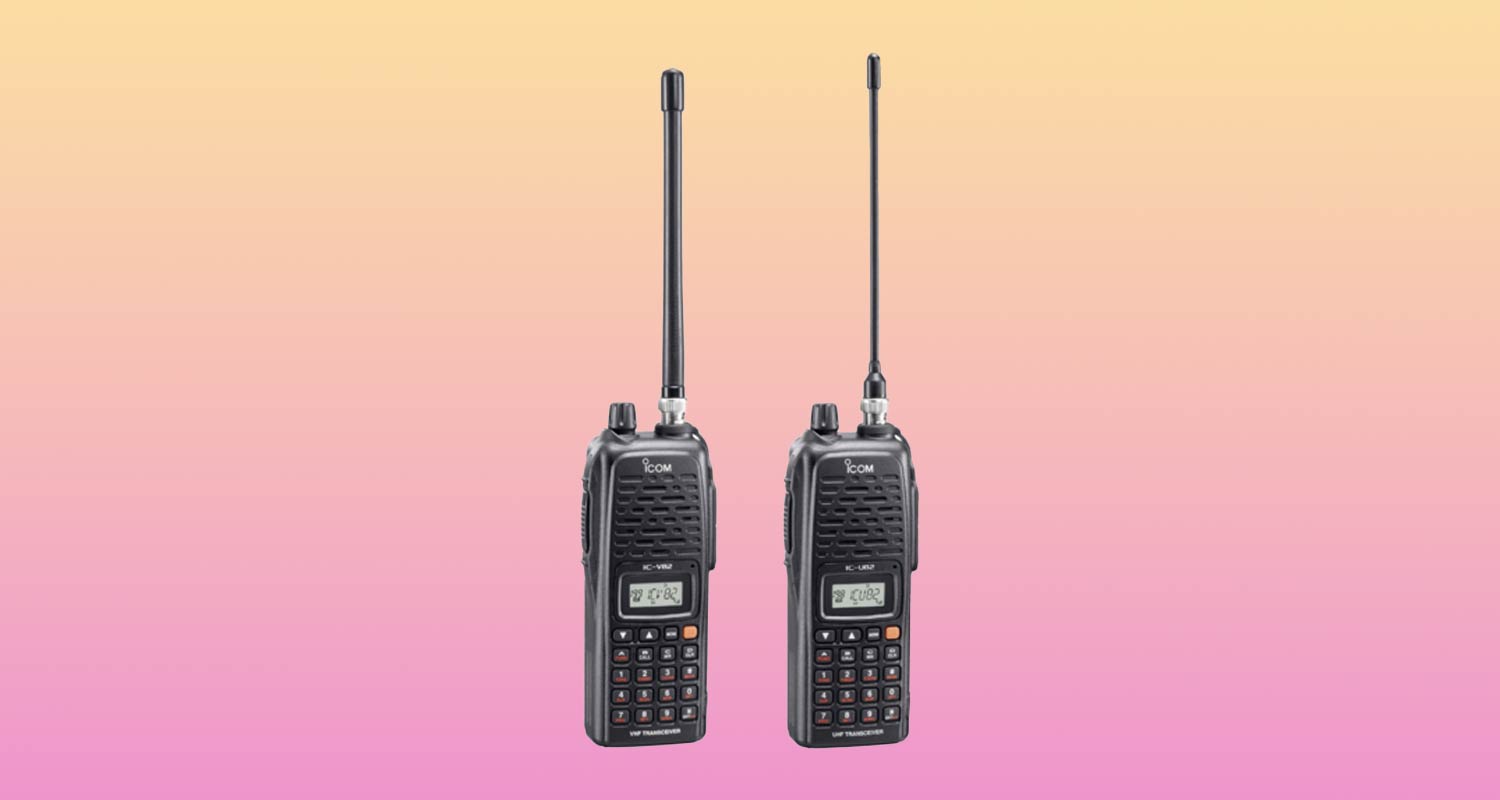
    Icom IC-V82 paging devices

    The lethal hack of Hezbollah’s Asian-branded pagers and walkie-talkies has sparked an intense search for the devices’ path, revealing a murky market for older technologies where buyers may have few assurances about what they are getting.

    While supply chains and distribution channels for higher-margin and newer products are tightly managed, that is not the case for older electronics from Asia where counterfeiting, surplus inventories and complex contract manufacturing deals can sometimes make it impossible to identify the source of a product, analysts and consultants say.

    The response from the companies at the centre of the booby-trapped gadgets that killed 37 people and wounded about 3 000 in Lebanon this week has underlined difficulties in discerning how and when they were weaponised.

    Icom issued a statement on Friday saying it was highly unlikely that the exploded products were theirs

    Taiwan-based Gold Apollo put the blame on a Europe-based licensee of its pager, sparking investigations in Hungary, Bulgaria, Norway and Romania into the origins of the deadly device.

    Japan’s Icom initially said it could not tell if the walkie-talkies bearing its name were real, in a market awash with fake products. It issued a statement on Friday saying it was highly unlikely that the exploded products were theirs.

    Icom cited Lebanese telecommunications minister Johnny Corm as saying the devices were not imported through a distributor and that counterfeit products of the same model number were being imported from other countries.

    Physical examination of the devices that exploded would be needed to conclude they were not Icom products, but in light of multiple pieces of information that have been revealed, chances are “extremely low” that they were Icom’s, the Japanese maker said.

    ‘Incredible engineering’

    “If the supply chain was compromised to put explosives inside … it’s incredible engineering to do that. But the actual supply chain compromise is not that hard. Probably the easiest part was the supply chain compromise,” said David Fincher, a China-based technologist and consultant.

    He said counterfeit products are prevalent, especially in big manufacturing centres like China where fake components can be easily produced, adding that it isn’t a big leap to go from fake components to supply chain compromise. “As the technologist I am, I can tell you getting a little explosive in a radio is not that hard.”

    Hezbollah acquired the devices around five months ago, according to a security source, who added that the armed group thought it was buying the pagers from Gold Apollo.

    Read: BlackBerry movie review: a roller coaster tale of hubris

    The handheld radios, which the source said were purchased around the same time as the pagers, had labels bearing the name of Osaka-based Icom and the phrase “Made in Japan”, images of one exploded device showed.

    Both companies have ruled out the possibility that any of the deadly components were made in factories in either of their home locations.
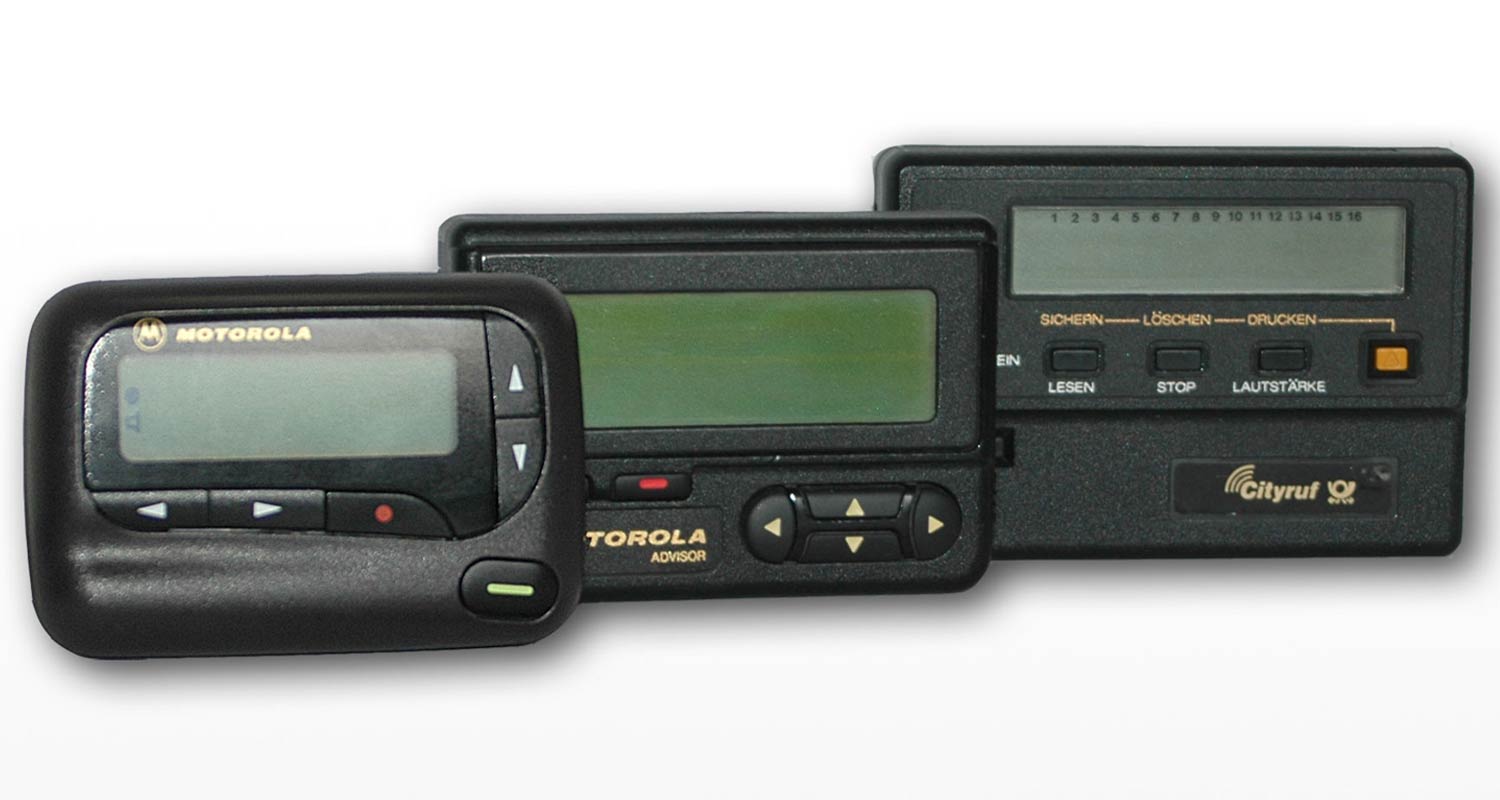
    A selection of old paging devices

    Taiwanese economy minister Kuo Jyh-huei has also said the components used in the pagers that detonated in Lebanon were not made in Taiwan.

    A preliminary investigation by Lebanese authorities into the devices found that the explosives were implanted before they arrived in the country, according to a letter to the UN Security Council by Lebanon’s mission to the United Nations.

    But, for now, that’s about all anyone is certain of. It’s not clear how or when the pagers and walkie-talkies were weaponised so they could be remotely detonated.

    The discontinued IC-V82 model is also sold in Vietnam on e-commerce platform Shopee

    Joe Simone, partner with Chinese intellectual property firm East IP, said part of the problem is that smaller brands tend to invest less in policing counterfeits, due in large part to costs that could impact their profitability.

    “Authorities are happy to deal with low-tech counterfeits but the IP owners need to monitor, investigate and file complaints and that doesn’t always happen as much as it might for high-tech and bigger technology brands,” he said.

    For Icom, one problem is that it stopped making the IC-V82 model in question a decade ago, around the time it started introducing holographic stickers as a protection against counterfeit products, the company said. The company has long warned about imitation products, especially of its older models.

    In fact, more than 7% of firms in Japan reported business losses from counterfeit products in 2020, according to the latest available report by the Japan Patent Office, with around a third of cases linked to China. Icom has urged that customers only use its official distributor network to ensure they are buying genuine products.

    Mysterious trail

    But in China, there are dozens of shops selling Icom-branded walkie-talkies on e-commerce platforms such as Alibaba.com, Taobao, JD.com and Pinduoduo, including in some cases the IC-V82 model.

    Among three China-based vendors of Icom products on Alibaba.com, none of which were listed as official suppliers on Icom’s website, Guangzhou Minxing Communications Equipment and Chengdu Bingxin Technology both said they sell authentic products, while Quanzhou Yitian Trading acknowledged selling “Chinese made imitations” in addition to original products.

    Icom has said it makes all its products in its factories in Japan. It did not immediately reply to a request for comment on Icom-branded products sold in Chinese online sites.

    The discontinued IC-V82 model is also sold in Vietnam on e-commerce platform Shopee, a check showed, indicating wide availability of such products.
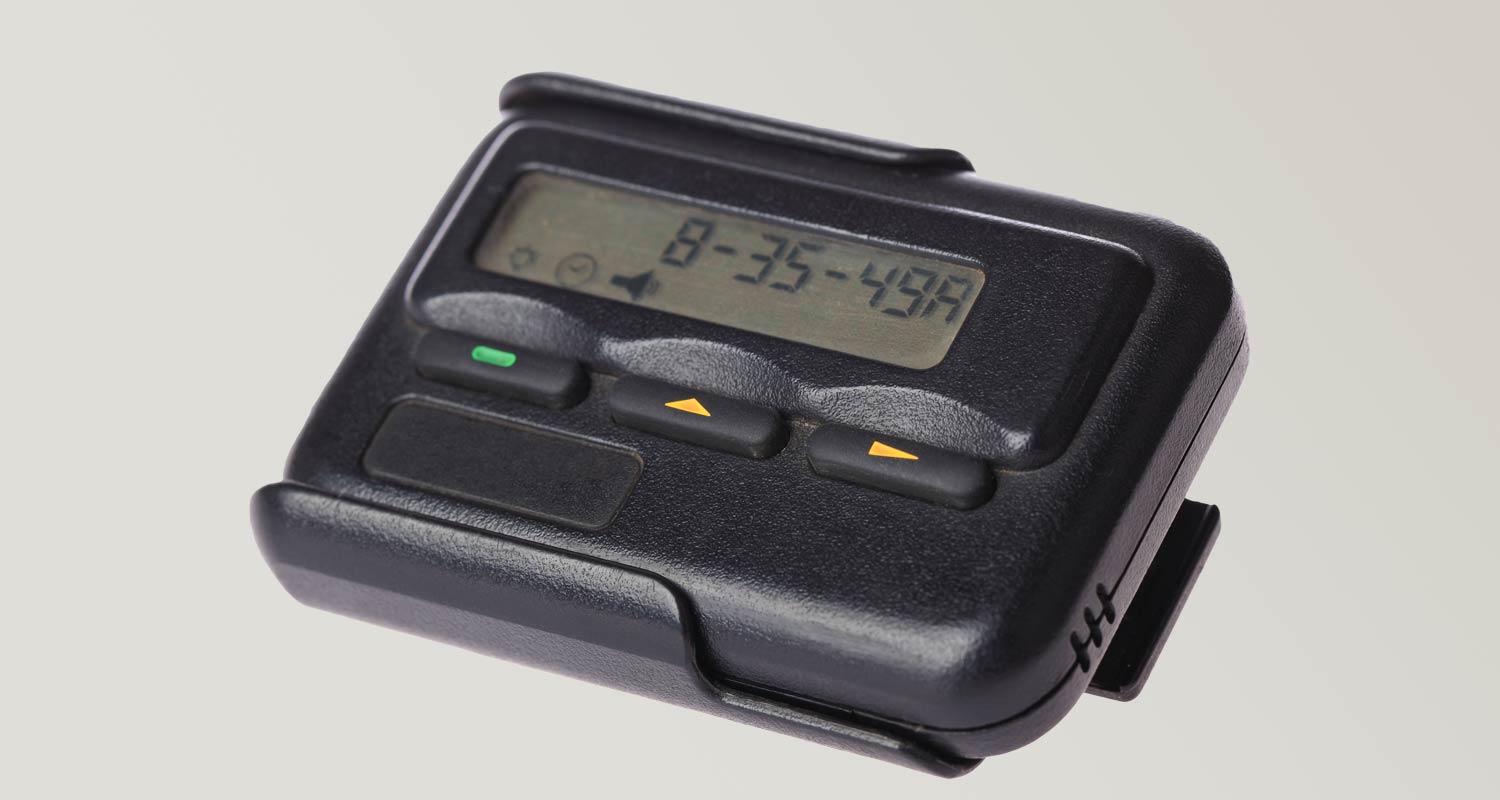
    An old pager

    For Gold Apollo, which licensed its brand to Budapest-based BAC, the supply chain devolved into a mysterious production trail that authorities in various countries are now trying to piece together.

    “The widespread availability of cheap, second-hand manufacturing equipment meant counterfeiters were increasingly able to go beyond single components and even make full-fledged products,” said Diganta Das from the University of Maryland’s Centre for Advanced Lifecycle Engineering, who studies counterfeit electronics.

    “I wouldn’t call it counterfeiting anymore, it’s like illegal manufacturing,” Das said.  — Tim Kelly, David Dolan, John Geddie, Kiyoshi Takenaka, Casey Hall, Ben Blanchard and Francesco Guarascio, (c) 2024 Reuters

    Don’t miss:

    Who still uses pagers anyway?

    Follow TechCentral on Google News Add TechCentral as your preferred source on Google


    Gold Apollo icom Johnny Corm Kuo Jyh-huei
    WhatsApp YouTube
    Share. Facebook Twitter LinkedIn WhatsApp Telegram Email Copy Link
    Previous ArticleAre South Africa’s dams safe? Government doesn’t know
    Next Article Lebanon pager attacks: the weaponisation of everything has begun
    Company News
    The human side of AI - Altron Digital Business

    The human side of AI

    23 February 2026
    Service is everyone's problem now - and that's exactly why the Atlassian Service Collection matters

    Service is everyone’s problem now – why the Atlassian Service Collection matters

    20 February 2026
    Customers have new expectations. Is your CX ready? 1Stream

    Customers have new expectations. Is your CX ready?

    19 February 2026
    Opinion
    The AI fraud crisis your bank is not ready for - Andries Maritz

    The AI fraud crisis your bank is not ready for

    18 February 2026
    A million reasons monopolies don't work - Duncan McLeod

    A million reasons monopolies don’t work

    10 February 2026
    The author, Business Leadership South Africa CEO Busi Mavuso

    Eskom unbundling U-turn threatens to undo hard-won electricity gains

    9 February 2026

    Subscribe to Updates

    Get the best South African technology news and analysis delivered to your e-mail inbox every morning.

    Latest Posts
    ASML announces chip manufacturing breakthrough

    ASML announces chip manufacturing breakthrough

    23 February 2026
    Home affairs to move all visa processing online - Leon Schreiber

    Home affairs to move all visa processing online

    23 February 2026
    The human side of AI - Altron Digital Business

    The human side of AI

    23 February 2026
    Spar rethinks SAP roll-out amid franchise lawsuit and CEO exit

    Spar rethinks SAP roll-out amid franchise lawsuit and CEO exit

    23 February 2026
    © 2009 - 2026 NewsCentral Media
    • Cookie policy (ZA)
    • TechCentral – privacy and Popia

    Type above and press Enter to search. Press Esc to cancel.

    Manage consent

    TechCentral uses cookies to enhance its offerings. Consenting to these technologies allows us to serve you better. Not consenting or withdrawing consent may adversely affect certain features and functions of the website.

    Functional Always active
    The technical storage or access is strictly necessary for the legitimate purpose of enabling the use of a specific service explicitly requested by the subscriber or user, or for the sole purpose of carrying out the transmission of a communication over an electronic communications network.
    Preferences
    The technical storage or access is necessary for the legitimate purpose of storing preferences that are not requested by the subscriber or user.
    Statistics
    The technical storage or access that is used exclusively for statistical purposes. The technical storage or access that is used exclusively for anonymous statistical purposes. Without a subpoena, voluntary compliance on the part of your Internet Service Provider, or additional records from a third party, information stored or retrieved for this purpose alone cannot usually be used to identify you.
    Marketing
    The technical storage or access is required to create user profiles to send advertising, or to track the user on a website or across several websites for similar marketing purposes.
    • Manage options
    • Manage services
    • Manage {vendor_count} vendors
    • Read more about these purposes
    View preferences
    • {title}
    • {title}
    • {title}