

Close Menu
TechCentralTechCentral

    Subscribe to the newsletter

    Get the best South African technology news and analysis delivered to your e-mail inbox every morning.

    Facebook X (Twitter) YouTube LinkedIn
    WhatsApp Facebook X (Twitter) LinkedIn YouTube
    TechCentralTechCentral
    • News
      Big Microsoft 365 price increases coming next year

      Big Microsoft price increases coming next year

      5 December 2025
      Vodacom to take control of Safaricom in R36-billion deal - Shameel Joosub

      Vodacom to take control of Safaricom in R36-billion deal

      4 December 2025
      Black Friday goes digital in South Africa as online spending surges to record high

      Black Friday goes digital in South Africa as online spending surges to record high

      4 December 2025
      BYD takes direct aim at Toyota with launch of sub-R500 000 Sealion 5 PHEV

      BYD takes direct aim at Toyota with launch of sub-R500 000 Sealion 5 PHEV

      4 December 2025
      'Get it now': Takealot in new instant deliveries pilot

      ‘Get it now’: Takealot in new instant deliveries pilot

      4 December 2025
    • World
      Amazon and Google launch multi-cloud service for faster connectivity

      Amazon and Google launch multi-cloud service for faster connectivity

      1 December 2025
      Google makes final court plea to stop US breakup

      Google makes final court plea to stop US breakup

      21 November 2025
      Bezos unveils monster rocket: New Glenn 9x4 set to dwarf Saturn V

      Bezos unveils monster rocket: New Glenn 9×4 set to dwarf Saturn V

      21 November 2025
      Tech shares turbocharged by Nvidia's stellar earnings

      Tech shares turbocharged by stellar Nvidia earnings

      20 November 2025
      Config file blamed for Cloudflare meltdown that disrupted the web

      Config file blamed for Cloudflare meltdown that disrupted the web

      19 November 2025
    • In-depth
      Jensen Huang Nvidia

      So, will China really win the AI race?

      14 November 2025
      Valve's Linux console takes aim at Microsoft's gaming empire

      Valve’s Linux console takes aim at Microsoft’s gaming empire

      13 November 2025
      iOCO's extraordinary comeback plan - Rhys Summerton

      iOCO’s extraordinary comeback plan

      28 October 2025
      Why smart glasses keep failing - no, it's not the tech - Mark Zuckerberg

      Why smart glasses keep failing – it’s not the tech

      19 October 2025
      BYD to blanket South Africa with megawatt-scale EV charging network - Stella Li

      BYD to blanket South Africa with megawatt-scale EV charging network

      16 October 2025
    • TCS
      TCS+ | How Cloud on Demand helps partners thrive in the AWS ecosystem - Odwa Ndyaluvane and Xenia Rhode

      TCS+ | How Cloud On Demand helps partners thrive in the AWS ecosystem

      4 December 2025
      TCS | MTN Group CEO Ralph Mupita on competition, AI and the future of mobile

      TCS | Ralph Mupita on competition, AI and the future of mobile

      28 November 2025
      TCS | Dominic Cull on fixing South Africa's ICT policy bottlenecks

      TCS | Dominic Cull on fixing South Africa’s ICT policy bottlenecks

      21 November 2025
      TCS | BMW CEO Peter van Binsbergen on the future of South Africa's automotive industry

      TCS | BMW CEO Peter van Binsbergen on the future of South Africa’s automotive industry

      6 November 2025
      TCS | Why Altron is building an AI factory - Bongani Andy Mabaso

      TCS | Why Altron is building an AI factory in Johannesburg

      28 October 2025
    • Opinion
      Your data, your hardware: the DIY AI revolution is coming - Duncan McLeod

      Your data, your hardware: the DIY AI revolution is coming

      20 November 2025
      Zero Carbon Charge founder Joubert Roux

      The energy revolution South Africa can’t afford to miss

      20 November 2025
      It's time for a new approach to government IT spend in South Africa - Richard Firth

      It’s time for a new approach to government IT spend in South Africa

      19 November 2025
      How South Africa's broken Rica system fuels murder and mayhem - Farhad Khan

      How South Africa’s broken Rica system fuels murder and mayhem

      10 November 2025
      South Africa's AI data centre boom risks overloading a fragile grid - Paul Colmer

      South Africa’s AI data centre boom risks overloading a fragile grid

      30 October 2025
    • Company Hubs
      • Africa Data Centres
      • AfriGIS
      • Altron Digital Business
      • Altron Document Solutions
      • Altron Group
      • Arctic Wolf
      • AvertITD
      • Braintree
      • CallMiner
      • CambriLearn
      • CYBER1 Solutions
      • Digicloud Africa
      • Digimune
      • Domains.co.za
      • ESET
      • Euphoria Telecom
      • Incredible Business
      • iONLINE
      • IQbusiness
      • Iris Network Systems
      • LSD Open
      • NEC XON
      • Netstar
      • Network Platforms
      • Next DLP
      • Ovations
      • Paracon
      • Paratus
      • Q-KON
      • SevenC
      • SkyWire
      • Solid8 Technologies
      • Telit Cinterion
      • Tenable
      • Vertiv
      • Videri Digital
      • Vodacom Business
      • Wipro
      • Workday
      • XLink
    • Sections
      • AI and machine learning
      • Banking
      • Broadcasting and Media
      • Cloud services
      • Contact centres and CX
      • Cryptocurrencies
      • Education and skills
      • Electronics and hardware
      • Energy and sustainability
      • Enterprise software
      • Financial services
      • Information security
      • Internet and connectivity
      • Internet of Things
      • Investment
      • IT services
      • Lifestyle
      • Motoring
      • Public sector
      • Retail and e-commerce
      • Satellite communications
      • Science
      • SMEs and start-ups
      • Social media
      • Talent and leadership
      • Telecoms
    • Events
    • Advertise
    TechCentralTechCentral
    Home » Sections » Science » Genetically modified mosquitoes could be key in Africa’s malaria fight

    Genetically modified mosquitoes could be key in Africa’s malaria fight

    The World Health Organisation reported 619 000 deaths from malaria in 2021, most of them in Africa.
    By The Conversation21 August 2023
    Twitter LinkedIn Facebook WhatsApp Email Telegram Copy Link
    News Alerts
    WhatsApp

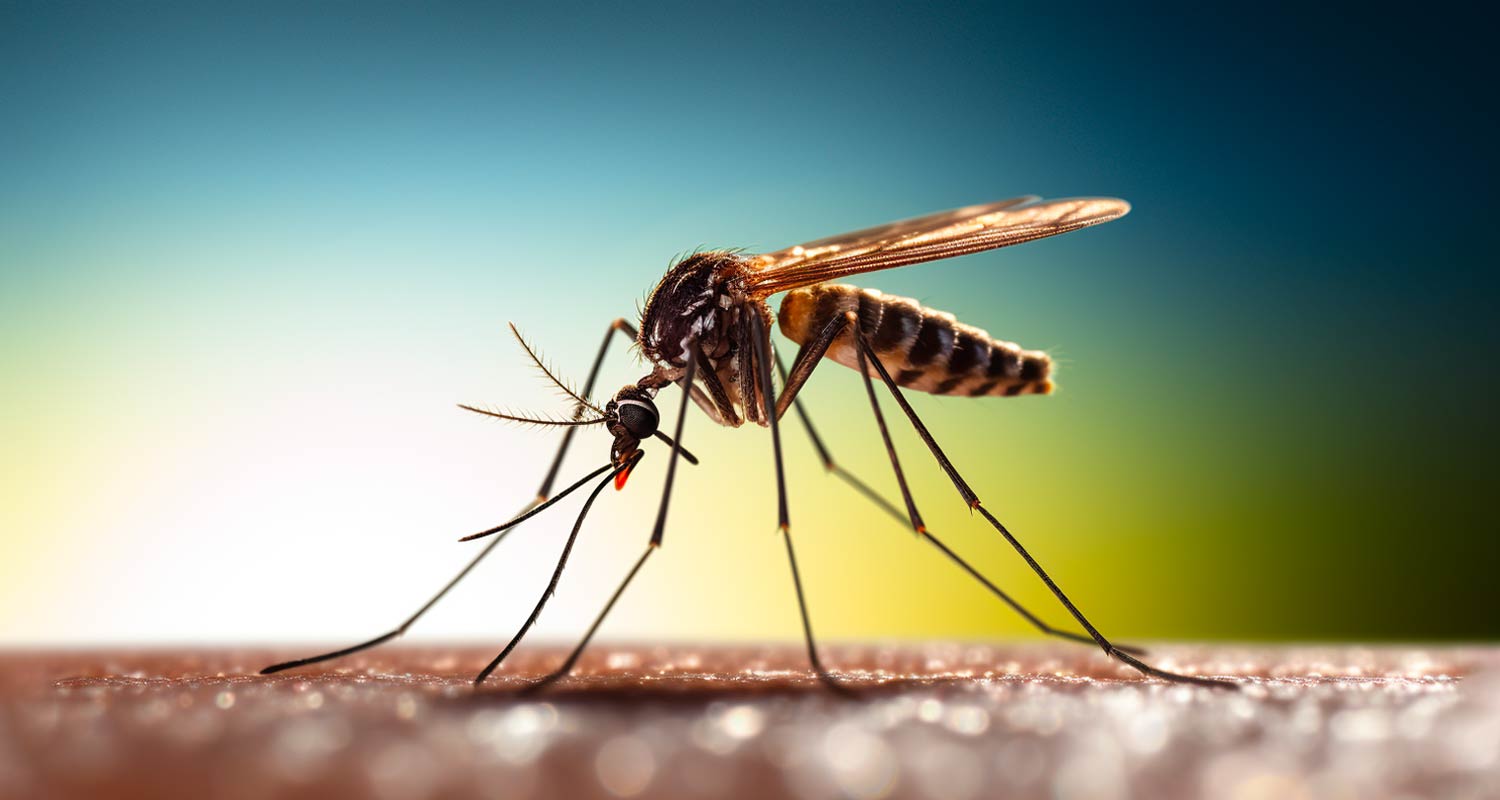
    Genetically modified mosquitoes could be key in Africa's malaria fightIt’s been 126 years since British medical doctor Sir Ronald Ross discovered that mosquitoes in the Anopheles family are primarily responsible for transmitting malaria parasites between vertebrate hosts.

    Since his discovery, mosquitoes have been found to carry and transmit many other diseases that pose a major threat to public health. Among them are yellow fever, dengue and Zika.

    Malaria is the most lethal mosquito-transmitted disease. The World Health Organisation reported an estimated 247 million cases of malaria worldwide in 2021 and 619 000 deaths. Almost all cases and deaths were in African countries.

    Other methods that don’t rely on insecticides are needed in the fight against mosquito-borne diseases

    Other diseases transmitted by mosquitoes are also a source of immense human suffering. It is estimated that dengue infects about 390 million people annually. And thousands are affected by Zika, chikungunya and yellow fever.

    Insects that transmit diseases to humans are known as vectors and the diseases they transmit are referred to as vector-borne diseases. These diseases are very difficult to control. They generally have complex life cycles, involving both the insect and the human host.

    Conventional methods to control vector-borne diseases have targeted the vectors, focusing on reducing their opportunities to come into contact with humans.

    This is particularly true for malaria. Insecticide-treated nets serve a dual function by acting as a physical barrier between the mosquito vector and humans, and exposing the mosquito to a lethal dose of insecticide when it lands on the net. In another common control method, mosquitoes are exposed to a lethal dose of insecticide through indoor residual spraying.

    Malaria burden

    Both nets and indoor spraying have played a major role in reducing African countries’ malaria burden. But their sustained efficacy is under threat. Many vector populations have become resistant to the insecticides used in these methods. They have also changed their behaviours to reduce their contact with those insecticides.

    Scientists are working to address these issues. But other methods that don’t rely on insecticides are needed in the fight against mosquito-borne diseases.

    That’s where genetic modification comes in. We are researchers focused on finding novel ways to advance malaria elimination efforts and are excited about recent advances in genomic research that make genetic modification a realistic option for malaria control, in particular. As with other approaches to controlling or eventually eradicating the disease, this won’t be a complete solution. But it has the potential to strengthen the global fight against malaria.

    Mosquitoes can be genetically modified through two different technologies. The first method, paratransgenesis, involves infecting mosquitoes with bacteria that prevent them from transmitting malaria. This doesn’t harm the mosquito. It is important not to eliminate or harm mosquitoes because they pollinate many plants and are food for animals like bats, birds and reptiles.

    Scientists are excited about this method following the recent discovery of a bacterium that occurs naturally in mosquitoes’ guts and appears to prevent the malaria parasite from developing inside the mosquito.
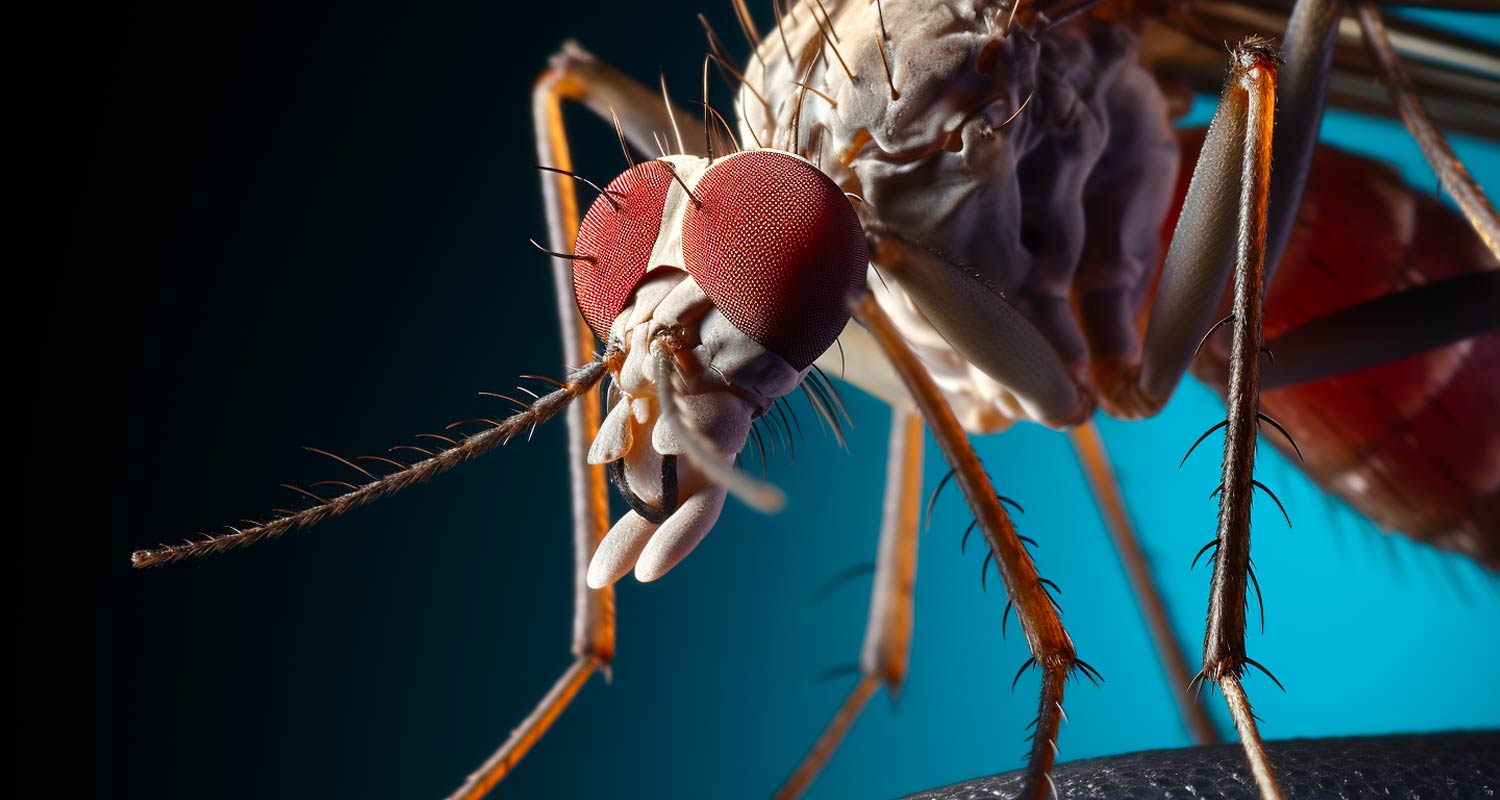
    The second method involves genetically modifying the mosquitoes themselves. This approach centres on gene drives: genetic systems that ensure genes of interest are inherited by all offspring in every generation. There are two types of gene drive. One aims to reduce the vector population size and is known as population suppression. The other aims to prevent the mosquito from transmitting malaria; it is known as population modification.

    Gene drives focusing on population suppression have shown great promise in laboratory studies. They’ve yet to be tested in the field, though.

    Population modification potentially has fewer environmental effects and is less prone to developing mutations. But it has proved more challenging to achieve and has not progressed as far as the suppression approach.

    It will be a while before this technology is routinely used by malaria control programmes. But preparation is under way.

    Over the past decade, malaria control programmes have expressed a willingness to use genetic modification if and when such techniques are shown to be safe and acceptable to the affected communities. This has prompted the World Health Organisation to provide guidance on the use of genetically modified mosquitoes to control malaria and other vector-borne diseases.

    It is critical that the concerns of communities where genetically modified mosquitoes are to be released are addressed prior to any release

    In its guidance, the WHO acknowledges how crucial community engagement will be to the success of any future gene drive interventions.

    This is important in an environment where there is marked scepticism about science, and particularly about genetically modified organisms (GMOs). In 2003, community resistance resulted in the rejection of genetically modified golden rice in Zambia, despite the country experiencing a pronounced food shortage.

    More recently, there was backlash against the Covid-19 mRNA vaccines, which some people suspected of being capable of altering human DNA (it isn’t).

    It is critical that the concerns of communities where genetically modified mosquitoes are to be released are addressed prior to any release. This will help promote acceptance and understanding of the new technology.

    However, community acceptance is not the only challenge. There is an urgent need for research on the relevant local malaria mosquito species so that the required genetically modified mosquitoes can be developed. Once the genetically modified lines are established, impact in the field must be demonstrated and systems established to ensure suitable numbers of mosquitoes can be reared and safely transported to the intervention sites.
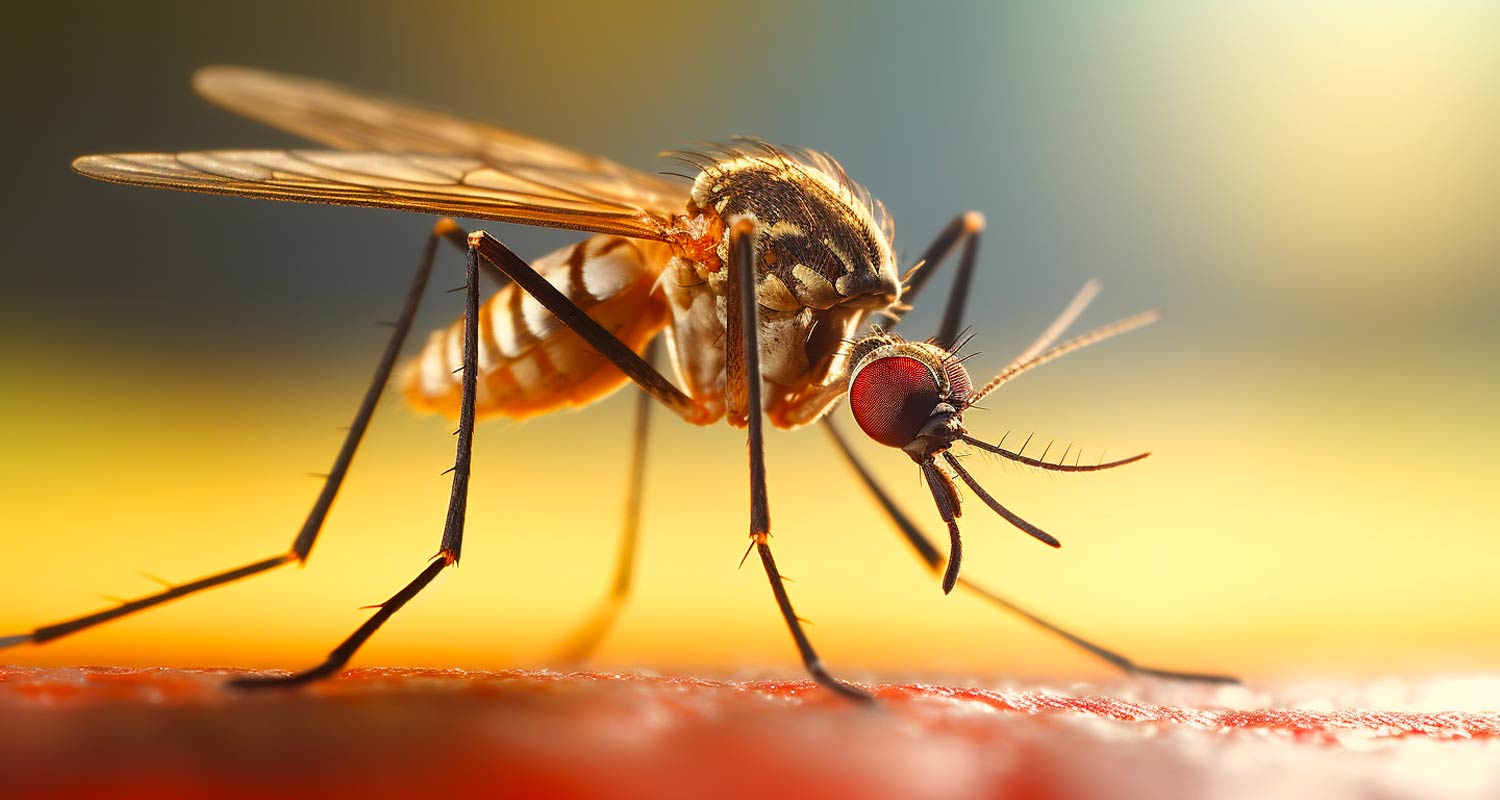
    All this requires considerable human resources and funding, suggesting that it will be some time before gene drive systems have real-world impact on malaria transmission.

    Still, as the globe marks World Mosquito Day on 20 August, in honour of Sir Ronald Ross’s discovery almost 130 years ago, we believe there is reason for optimism: novel technologies like genetic modification have the potential to play a major role in the fight against malaria.The Conversation

    • The authors are Shüné Oliver, medical scientist, South African National Institute for Communicable Diseases, and Jaishree Raman, principal medical scientist and head of laboratory for antimalarial resistance monitoring and malaria operational research, also at the institute
    • This article is republished from The Conversation under a Creative Commons licence

    Get TechCentral’s free daily newsletter


    Jaishree Raman Ronald Ross Shüné Oliver
    Subscribe to TechCentral Subscribe to TechCentral
    Share. Facebook Twitter LinkedIn WhatsApp Telegram Email Copy Link
    Previous ArticleAdobe co-founder John Warnock dies at 82
    Next Article How Brics hopes to shake up the world order
    Company News
    AI is not a technology problem - iqbusiness

    AI is not a technology problem – iqbusiness

    5 December 2025
    Telcos are sitting on a data gold mine - but few know what do with it - Phillip du Plessis

    Telcos are sitting on a data gold mine – but few know what do with it

    4 December 2025
    Unlock smarter computing with your surface Copilot+ PC

    Unlock smarter computing with your Surface Copilot+ PC

    4 December 2025
    Opinion
    Your data, your hardware: the DIY AI revolution is coming - Duncan McLeod

    Your data, your hardware: the DIY AI revolution is coming

    20 November 2025
    Zero Carbon Charge founder Joubert Roux

    The energy revolution South Africa can’t afford to miss

    20 November 2025
    It's time for a new approach to government IT spend in South Africa - Richard Firth

    It’s time for a new approach to government IT spend in South Africa

    19 November 2025

    Subscribe to Updates

    Get the best South African technology news and analysis delivered to your e-mail inbox every morning.

    Latest Posts
    Big Microsoft 365 price increases coming next year

    Big Microsoft price increases coming next year

    5 December 2025
    AI is not a technology problem - iqbusiness

    AI is not a technology problem – iqbusiness

    5 December 2025
    Vodacom to take control of Safaricom in R36-billion deal - Shameel Joosub

    Vodacom to take control of Safaricom in R36-billion deal

    4 December 2025
    Black Friday goes digital in South Africa as online spending surges to record high

    Black Friday goes digital in South Africa as online spending surges to record high

    4 December 2025
    © 2009 - 2025 NewsCentral Media
    • Cookie policy (ZA)
    • TechCentral – privacy and Popia

    Type above and press Enter to search. Press Esc to cancel.

    Manage consent

    TechCentral uses cookies to enhance its offerings. Consenting to these technologies allows us to serve you better. Not consenting or withdrawing consent may adversely affect certain features and functions of the website.

    Functional Always active
    The technical storage or access is strictly necessary for the legitimate purpose of enabling the use of a specific service explicitly requested by the subscriber or user, or for the sole purpose of carrying out the transmission of a communication over an electronic communications network.
    Preferences
    The technical storage or access is necessary for the legitimate purpose of storing preferences that are not requested by the subscriber or user.
    Statistics
    The technical storage or access that is used exclusively for statistical purposes. The technical storage or access that is used exclusively for anonymous statistical purposes. Without a subpoena, voluntary compliance on the part of your Internet Service Provider, or additional records from a third party, information stored or retrieved for this purpose alone cannot usually be used to identify you.
    Marketing
    The technical storage or access is required to create user profiles to send advertising, or to track the user on a website or across several websites for similar marketing purposes.
    • Manage options
    • Manage services
    • Manage {vendor_count} vendors
    • Read more about these purposes
    View preferences
    • {title}
    • {title}
    • {title}