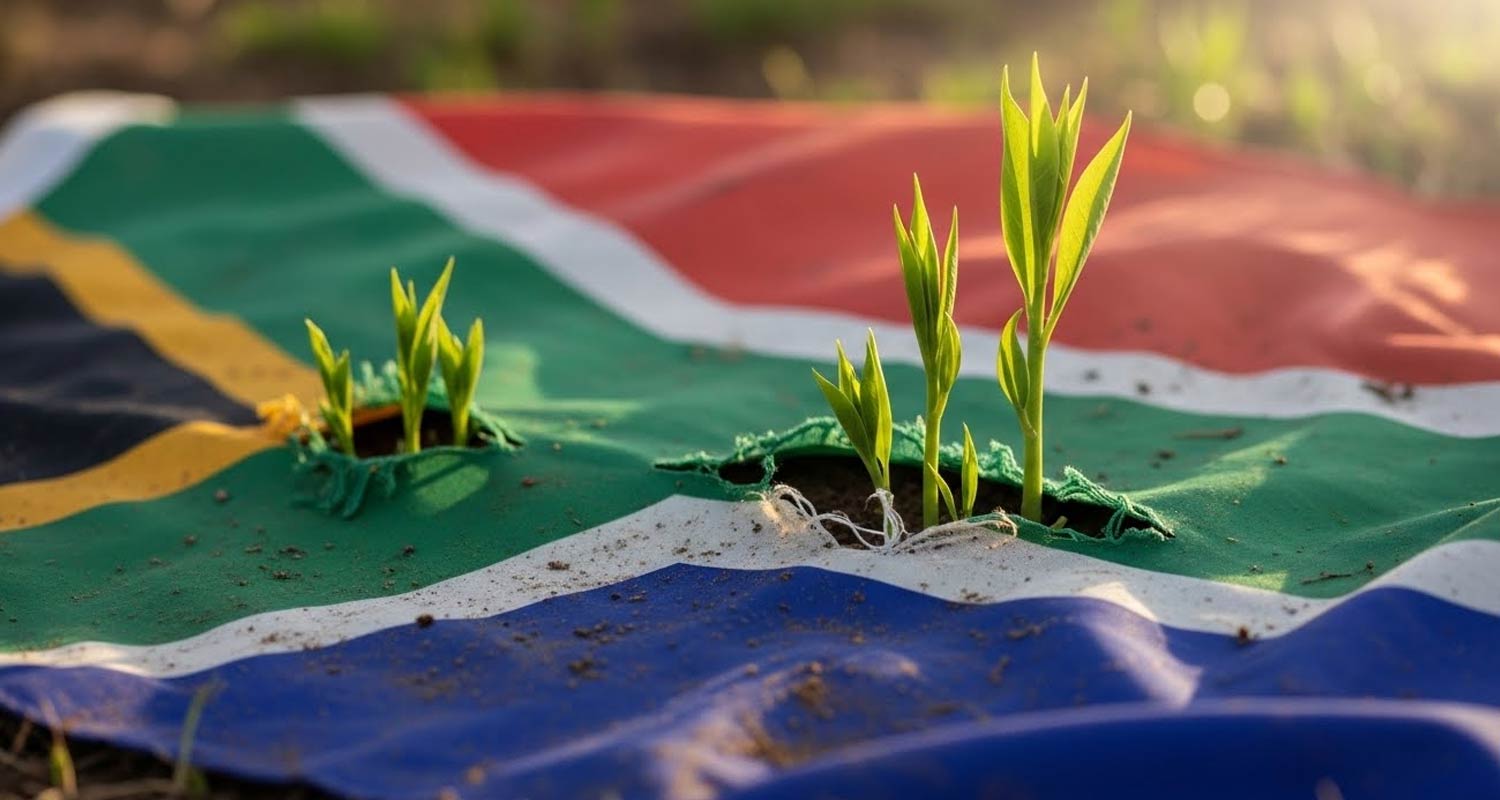
Last week’s GDP figures confirmed that we are seeing green shoots emerging in the economy. The 2.1% year-on-year growth surprised economists and has triggered many to revise upward their forecasts for the full year from the previous consensus of around 1.2%. We should now beat that by a reasonable margin. Of course, this is still far below the meaningful growth we need to turn around unemployment, but it is a clear step in the right direction.
Encouragingly, the numbers included a quarterly improvement in investment, the key to meaningfully expanding the economy. Within that was a modest improvement in public sector spending on investment, which has been particularly weak. That enabled the first overall increase in investment since mid-2023. To be clear, investment levels at 13.7% of GDP are still far too low, but it was positive to see the modest recovery.
The GDP outcome adds another positive sentiment driver, coming after the improvements in fiscal performance reported in the medium-term budget policy statement, and the credit rating upgrade by S&P. This is beginning to feed into business sentiment, and last week we saw business confidence climb five points in the RMB BER survey for the fourth quarter, turning around two consecutive declines. The improvement in confidence was broad based across sectors, which is particularly encouraging.
Manufacturing confidence rose sharply after three consecutive quarters of declines, reaching its highest level since 2022. This matters because manufacturing is employment intensive. When manufacturers feel confident enough to expand production, they hire. Retail confidence also jumped significantly, with sales volumes holding up well, suggesting consumer spending has momentum heading into 2026.
The agricultural sector is also feeling more positive, with the Agbiz/IDC confidence index for the quarter having risen five points. What we need to see now is production catching up with sentiment. Confidence alone doesn’t create jobs or growth, but it’s the essential precursor to the investment decisions that do.
The question for 2026 is whether this tentative improvement can be sustained long enough for businesses to commit capital to expansion rather than just feeling more optimistic about existing operations.
Rating
Despite this momentum, credit rating agency Moody’s on Friday announced it was keeping its rating unchanged, maintaining its cautious stance on South Africa’s growth trajectory. Moody’s acknowledged the improved fiscal performance but pointed to persistent structural challenges: state-owned enterprises remain financially weak, growth projections are modest, infrastructure continues to age and the labour market stays under pressure.
The agency says it would upgrade if we achieved sustained improvements in economic growth driven by electricity and logistics reforms, alongside higher investment levels. Conversely, any setbacks in structural reforms could trigger a downgrade.
Read: Cell C rockets higher on second day of public trading
The market, however, is voting with its wallet and showing greater confidence in South Africa’s trajectory.
National treasury must be congratulated for last week’s placement of US$3.5-billion in bonds on international capital markets, which was 3.7x oversubscribed by investors. That provides treasury with good funding headroom at lower borrowing costs than it had historically achieved. Its 12-year bond was priced at a yield of 6.25%, compared to the 7.1% it raised a year ago. This strong global support is exactly what we gain from the good fiscal management the government has delivered.
The changes Moody’s says will cause it to upgrade are exactly what organised business is striving to achieve in partnership with government. It is critical that we follow through on concluding reforms of the electricity sector, particularly the unbundling of the independent grid operator and the implementation of a truly competitive electricity market where traders can buy from multiple generators and sell to multiple customers, creating genuine price competition that drives down costs.
We must also drive forward the work on the logistics sector, particularly the concessioning of rail and port facilities to private operators who can invest and provide much-needed competition.
Last week’s announcement of R3.4-billion in 46 new locomotives and 920 wagons by private company Traxtion is a good example of the kind of investment that can be unleashed by reforms.
Traxtion is gearing up to use Transnet’s rail network, adding significant capacity that will have knock-on effects on the confidence of the rest of business to invest, knowing that there is growing logistics capacity.
It signals to mining companies that they can reliably get product to port, making expansion viable. It tells agricultural exporters they can commit to new international contracts with confidence. It encourages manufacturers to build new production lines, knowing logistics won’t be the constraint.
Each infrastructure investment de-risks dozens of potential private sector investments. This multiplier effect is why reform in electricity and logistics is so crucial – these sectors don’t just contribute their own growth, they enable growth across the entire economy. That’s the virtuous cycle we need to establish in 2026.
Increasing momentum
So, while Moody’s caution is understandable, the evidence of increasing momentum is growing. The green shoots we’re seeing in GDP, investment and business confidence can take root – but only if we ensure that translates into actual growth-enhancing changes.
Read: Business confidence rebounds, but economists warn it’s too early to celebrate
Eskom must follow through on unbundling and embrace competition; Transnet must conclude its current concessioning processes swiftly and then embark on new ones. The market is ready to back us, as the bond placement shows. With growing confidence, investment levels are starting to respond. If we stay the course, the future is bright.
Get breaking news from TechCentral on WhatsApp. Sign up here.
- The author, Busi Mavuso, is CEO of Business Leadership South Africa