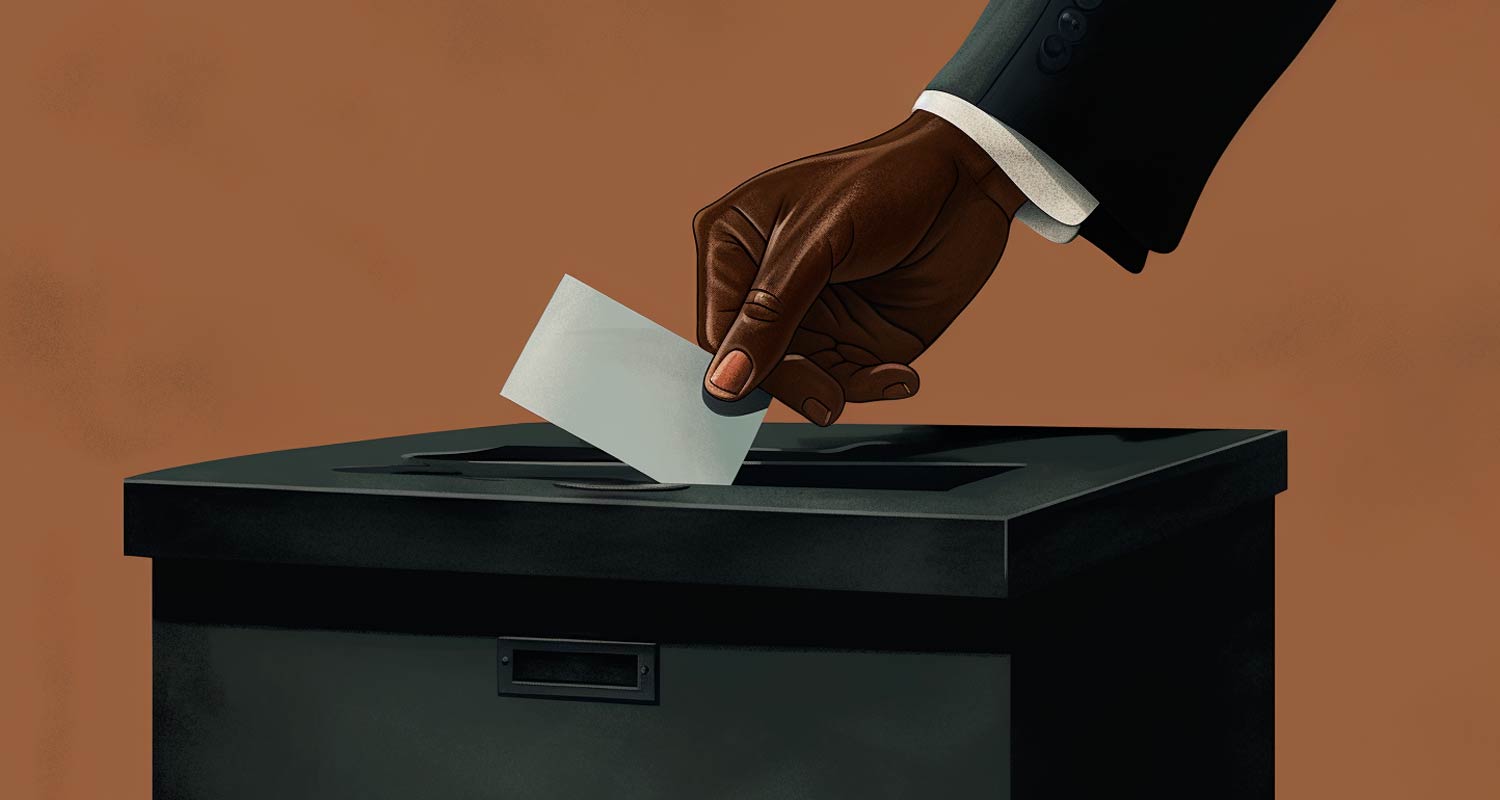
 Should South Africans worry about foreign interference in South Africa’s pivotal general election next year? While some academics and political commentators believe this is a real concern, others say Russia will not be the only country trying to influence the outcome of the poll.
Most agree that as the governing ANC attempts to keep its increasingly tenuous hold on high political office, online influence by nation state actors such as Russia will play a significant role in the outcome.
The country has more than 25 million active social media users in South Africa: a largely urban mobile electorate that is potentially susceptible to “coordinated inauthentic activity” online.
But it is who is doing the influencing, and how, that is important, Institute for Security Studies consultant Karen Allen told TechCentral. The publication interviewed a wide range of experts to unpack how foreign online meddling could influence the outcome of the 2024 election.
Research conducted by the institute found that online influence and coordinated disinformation campaigns during Kenya’s August 2022 election highlighted the threat posed to democratic institutions by weaponising digital communications. A study examining the use of social media and messaging platforms in the East African nation’s polls revealed an emerging marketplace of influence operations where hashtags and tweets carry a price tag and a vast supply of digital entrepreneurs are ready to monetise their social networks.
“As South Africa prepares for next year’s election, journalists, government communicators and policymakers must be alive to ‘coordinated inauthentic activity’ aimed at stirring discord,” Allen said. “The country has a healthy culture of online freedom of speech, but is vulnerable because it has more than double the number of people using social media than in Kenya.
Hacking the electorate
“South Africa is also one of the world’s leading cybercrime targets, and public campaigns about computer threats and content authenticity are lacking. Hacking the electorate is becoming as much of a threat as hacking a computer network.”
Allen added: “There is money to be made and political influence to be forged in this way, and we tend to focus on Russia because it has ‘form’, but it is not the only actor. I would be hesitant to single it out, although it is tempting because of South Africa’s historical links and its relationship with Russia, as well as Russia’s expertise in misinformation.
“But,” she said, “we must also look at who it benefits to influence the election, both globally and domestically. Remember recently the whole Bell Pottinger incident, for instance.”
In 2016, the notorious Gupta brothers, who were allegedly central to state capture corruption in South Africa, retained the services of Bell Pottinger, a former PR agency, allegedly to deflect attention from their suspect dealings with former President Jacob Zuma, and given an assignment that initially sounded benign enough: grassroots political activism intended to help poor black people.
“By the following year, Bell Pottinger was embroiled in a national maelstrom. In TV reports, editorials and public rallies, it stood accused of setting off racial tensions through a furtive campaign built on Twitter bots, hate-filled websites and speeches,” said Allen. “They were pushing a highly toxic narrative, namely that whites in South Africa had seized resources and wealth while they deprived blacks of education and jobs. The message was popularised with the incendiary phrase, ‘white monopoly capital’.”
 Allen argued that the same thing was evident recently in the Cape Town taxi protests, when there were actors whom it suited to sow discord, and who used online disinformation campaigns to do so. “Some of the illegal campaigns and commentary consisted of nasty race messaging intended to stir up discord, and I think it is this sort of thing we are going to see at scale before the election,” she said.
Jean le Roux, research associate for sub-Saharan Africa at the Atlantic Council’s Digital Forensic Research Lab, has been quoted previously saying that Russia reportedly advised the ANC on how to discredit the opposition during the 2019 polls.
“While we don’t want to make Russia the bogeyman, they’re well set up. They have the technical expertise and … an interest in supporting the status quo and keeping the ANC in place,” Le Roux said. “What isn’t clear is how much external meddling might be done with the ANC’s approval,” he added.
“Other South African political parties are believed to be honing their digital skills, knowing that, like Kenya, next year’s election may be won on tech. There has been much media speculation about the role of former President Zuma’s daughter Duduzile Zuma in the July 2021 unrest and her close relationship with Moscow,” he said.
According to research director at the Africa Centre for Strategic Studies at the National Defence University in Washington, Joseph Siegle, Russian strategy in Africa is to displace Western influence.
“Doing so enhances Russia’s posture as a great power whose interests must be considered in every region of the world. This objective has taken on greater importance in the wake of Russia’s further invasion of Ukraine, as Moscow seeks to avoid international isolation and demonstrate that it remains a viable global actor,” Siegle told TechCentral.
Russia “franchises” its disinformation model by creating or sponsoring African hosts for pro-Russian, anti-West messaging. “This approach gives the disinformation campaign more cultural context while making it difficult for ordinary [social media users] to identify inauthentic accounts.”
Disinformation operations
“Disinformation operations linked to Yevgeny Prigozhin have been seen in Angola, the Democratic Republic of Congo, Guinea, Guinea-Bissau, Madagascar, Mozambique and Zimbabwe. In South Africa, Russian-sponsored messaging has attempted to inflame racial tensions,” Siegle said.
“Russia has been active in disseminating disinformation in South Africa for some time, and we can expect it will do the same in the upcoming election. Given the ANC’s support for Russia following its invasion of Ukraine, this disinformation can be expected to help the ANC hold onto power (and retain Russia’s outsized influence in South Africa given its relatively limited levels of trade and investment).
“This would build on opaque Russian financial support to the ANC through Russian oligarch Viktor Vekselberg and Chancellor House. Based on past Russian disinformation campaigns in South Africa, this messaging is likely to focus on inflaming racial tensions in the country and presenting the West as hostile to the ANC as a way of mobilising ANC support.
“At the same time, Russian disinformation may also play competing ANC factions against each other with the aim of enhancing Russian leverage within the party,” he said.
Working with the Dossier Centre, a London-based investigative entity, the Daily Maverick in 2019 revealed a plan to interfere with South Africa’s last general election – in May of that year – by an organisation closely linked to the late Prigozhin, the “businessman” known as “Putin’s chef”. However, Prigozhin died in August this year after the private jet in which he was travelling crashed mysteriously north of Moscow killing all 10 people on board.
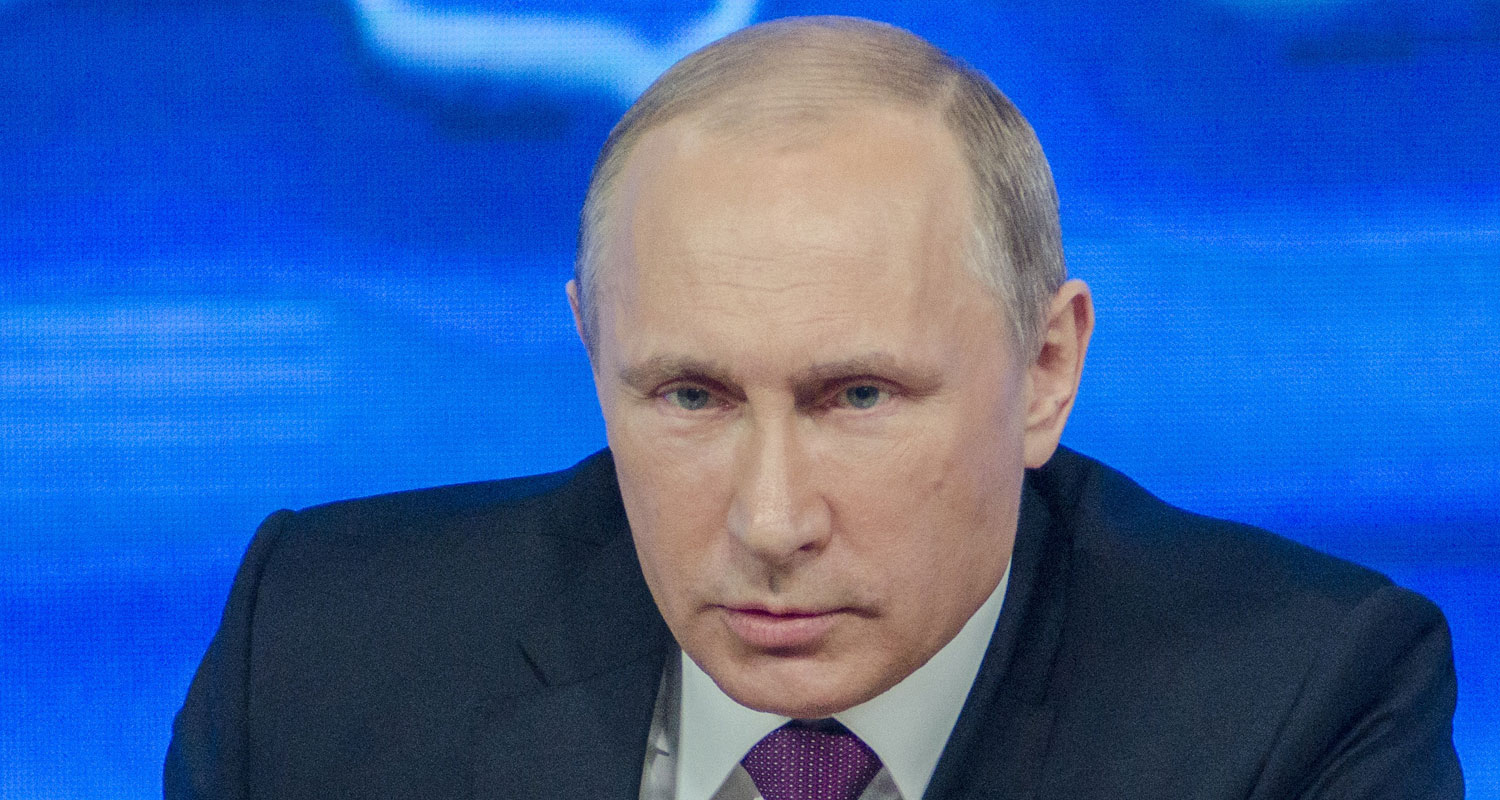
But in the 2019 election, using an NGO called the Association for Free Research and International Co-operation (Afric) and working with political technologist Peter Bychkov, a plan was apparently hatched to create a disinformation campaign that favoured the ANC and put out propaganda against the opposition Democratic Alliance and Economic Freedom Fighters.
Independent political analyst Frans Cronje said it is hardly surprising that other countries have an interest in South Africa and therefore in its next election, and said one has to be specific about what the notion of “interference” means.
“Africa is home to more cities with over a million inhabitants than Europe and America combined and has over 50 votes on global forums such as the United Nations, so of course it’s going to be an area of interest. The South Atlantic has become a geopolitical determinant in the outcome of conflicts, and the naval facilities at Simonstown and Walvis Bay – and on the coast of Equatorial Guinea – count as some of the most valuable geostrategic real estate in the world.
“None of this is unique to Russia – in fact countries in Western Europe and China probably have a more direct influence on domestic political developments,” he said, referring to the China’s purchase of 20% of Sekunjalo Independent Media by China International Television and the China Africa Development Fund as well as to Western European countries’ vast investment in South African think-tanks and civil society groups.
By scale of operations and budgets, I think Russia likely does less here than the EU and China, for example
From newspapers to satellite television and radio stations, China is investing heavily in African media. It’s part of a long-term campaign to bolster Beijing’s “soft power” – not just through diplomacy, but also through foreign aid, business links, scholarships, training programmes, academic institutes and the media, Cronje said.
“Its investments allow China to promote its own media agenda in Africa, using a formula of upbeat business and cultural stories and a deferential pro-government tone, while ignoring human-rights issues and the backlash against China’s own growing power.”
Cronje said the stakes are immense. “But it’s all to be expected,” he said. “That’s how countries exert influence in pursuit of their interests. By scale of operations and budgets, I think Russia likely does less here than the EU and China, for example. Trying to restrict this kind of thing is very dangerous as it leads to censorship.” — © 2023 NewsCentral Media
Get breaking news alerts from TechCentral on WhatsApp