
The number of pay-TV subscribers in South Africa fell below seven million for the first time in at least five years, dropping 9.6% from 7.4 million to 6.7 million in the year to September 2025, according to communications regulator Icasa’s latest State of the ICT Sector report.
The decline adds hard regulatory data to the subscriber crisis that has forced Canal+, MultiChoice Group’s new owner, into a strategic reset at DStv, including scrapping the annual price increase and shutting down the Showmax streaming platform.
Over the five-year period from 2021 to 2025, pay-TV subscriptions declined at a compound annual rate of 5.2%, falling from 8.3 million to 6.7 million — a loss of 1.6 million subscribers.
Icasa attributed the decline to “the rapid growth of over-the-top streaming services, which offer on-demand content accessible via the internet, allowing viewers more flexibility than traditional pay TV”, as well as rising costs and economic pressure on consumers.
Total broadcasting revenue, which includes radio, fell 4.6% to R33-billion. Subscription revenue of R24.5-billion remains the dominant income source, accounting for nearly three-quarters of the total, followed by advertising at R6-billion.
Programme expenditure, however, continued to rise, growing 7.6% from R16-billion to R17.2-billion. Local independent production spend reached R1.2-billion. Broadcasters are spending more on content even as their audiences and revenue shrink — a pattern that cannot be sustained indefinitely.
‘Stop the bleeding’
The Icasa data covers the period to September 2025, capturing the period before Canal+ completed its acquisition of MultiChoice and took operational control. The subscriber trajectory has been a central concern for the new ownership.
In an interview with TechCentral in February, MultiChoice Group CEO David Mignot acknowledged the severity of the crisis, framing his mandate as: “Stop the bleeding, get back to growth.”
Read: MultiChoice pulls the plug on Showmax
Mignot confirmed that MultiChoice would not raise DStv prices in April — breaking with a longstanding tradition of annual increases — arguing that it was “not exactly the right timing to increase pricing” while the company was trying to rebuild its subscriber base. He pointed to Canal+’s experience in French-speaking Africa, where pricing has remained stable for nearly 14 years while subscriber numbers grew from 500 000 to eight million.
MultiChoice lost 2.8 million linear broadcasting subscribers in the two years to 31 March 2025, with about half of those losses in South Africa alone.
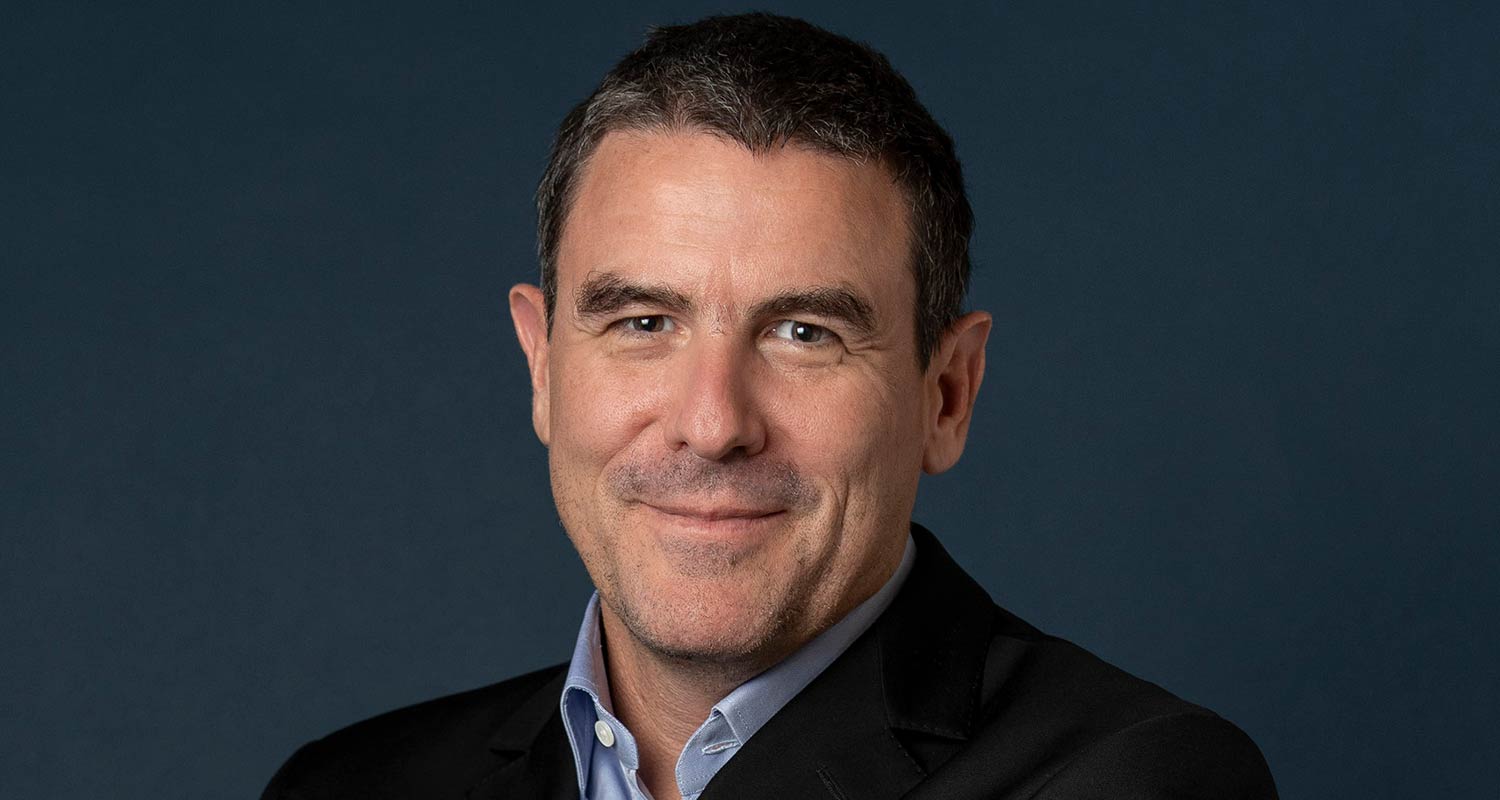
Canal+ has since shut down Showmax, which Mignot described as a platform that was “not flying” financially, and is targeting €250-million in synergies across the combined group.
Icasa has itself signalled a regulatory response, recommending a “comprehensive market enquiry into OTT communication and streaming services to assess their competitive impact on the ICT sector”. A government draft white paper published in 2025 has proposed that licensing obligations could apply to global streaming platforms once revenue thresholds are met.
Read: MultiChoice scraps annual DStv price hike
The challenge for regulators and incumbents alike is that the market is moving faster than the policy response. While pay-TV lost 700 000 subscribers in a single year, fixed broadband — the infrastructure that enables streaming — grew 19.3% to 3.26 million connections, with fibre-to-the-home subscriptions topping three million for the first time. — © 2026 NewsCentral Media
Get breaking news from TechCentral on WhatsApp. Sign up here.