 Elon Musk’s Neuralink, a medical device company, is under US federal investigation for potential animal welfare violations amid internal staff complaints that its animal testing is being rushed, causing needless suffering and deaths.
This is according to documents reviewed by Reuters and sources familiar with the investigation and company operations.
Neuralink is developing a brain implant it hopes will help paralysed people walk again and cure other neurological ailments. The federal probe, which has not been previously reported, was opened in recent months by the US department of agriculture’s inspector-general at the request of a federal prosecutor, according to two sources with knowledge of the investigation. The probe, one of the sources said, focuses on violations of the Animal Welfare Act, which governs how researchers treat and test some animals.
The investigation has come at a time of growing employee dissent about Neuralink’s animal testing, including complaints that pressure from CEO Musk to accelerate development has resulted in botched experiments, according to a review of dozens of Neuralink documents and interviews with more than 20 current and former employees. Such failed tests have had to be repeated, increasing the number of animals being tested and killed, the employees say. The company documents include previously unreported messages, audio recordings, e-mails, presentations and reports.
Musk and other Neuralink executives did not respond to requests for comment.
Reuters could not determine the full scope of the federal investigation or whether it involved the same alleged problems with animal testing identified by employees in Reuters interviews. A spokesman for the USDA inspector-general declined to comment. US regulations don’t specify how many animals companies can use for research, and they give significant leeway to scientists to determine when and how to use animals in experiments. Neuralink has passed all USDA inspections of its facilities, regulatory filings show.
Killed
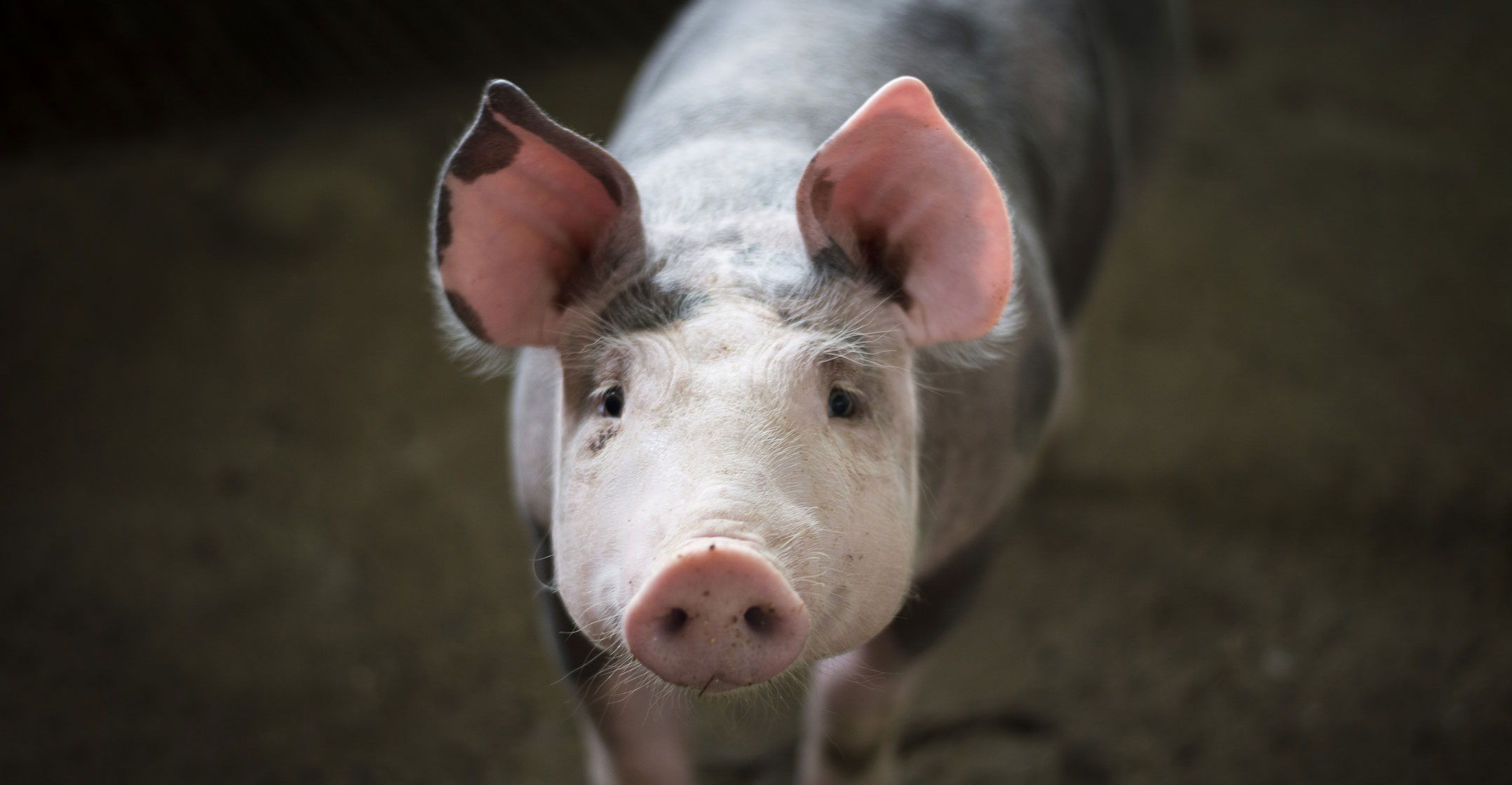
In all, the company has killed about 1 500 animals, including more than 280 sheep, pigs and monkeys, following experiments since 2018, according to records and sources with direct knowledge of the company’s animal-testing operations. The sources characterised that figure as a rough estimate because the company does not keep precise records on the number of animals tested and killed. Neuralink has also conducted research using rats and mice.
The total number of animal deaths does not necessarily indicate that Neuralink is violating regulations or standard research practices. Many companies routinely use animals in experiments to advance human health care, and they face financial pressure to quickly bring products to market. The animals are typically killed when experiments are completed, often so they can be examined post-mortem for research purposes.
But current and former Neuralink employees say the number of animal deaths is higher than it needs to be for reasons related to Musk’s demands to speed research. Through company discussions and documents spanning several years, along with employee interviews, Reuters identified four experiments involving 86 pigs and two monkeys that were marred in recent years by human errors. The mistakes weakened the experiments’ research value and required the tests to be repeated, leading to more animals being killed, three of the current and former staffers said. The three people attributed the mistakes to a lack of preparation by a testing staff working in a pressure-cooker environment.
One employee wrote an angry missive earlier this year to colleagues about the need to overhaul how the company organises animal surgeries to prevent “hack jobs”. The rushed schedule, the employee wrote, resulted in under-prepared and over-stressed staffers scrambling to meet deadlines and making last-minute changes before surgeries, raising risks to the animals.
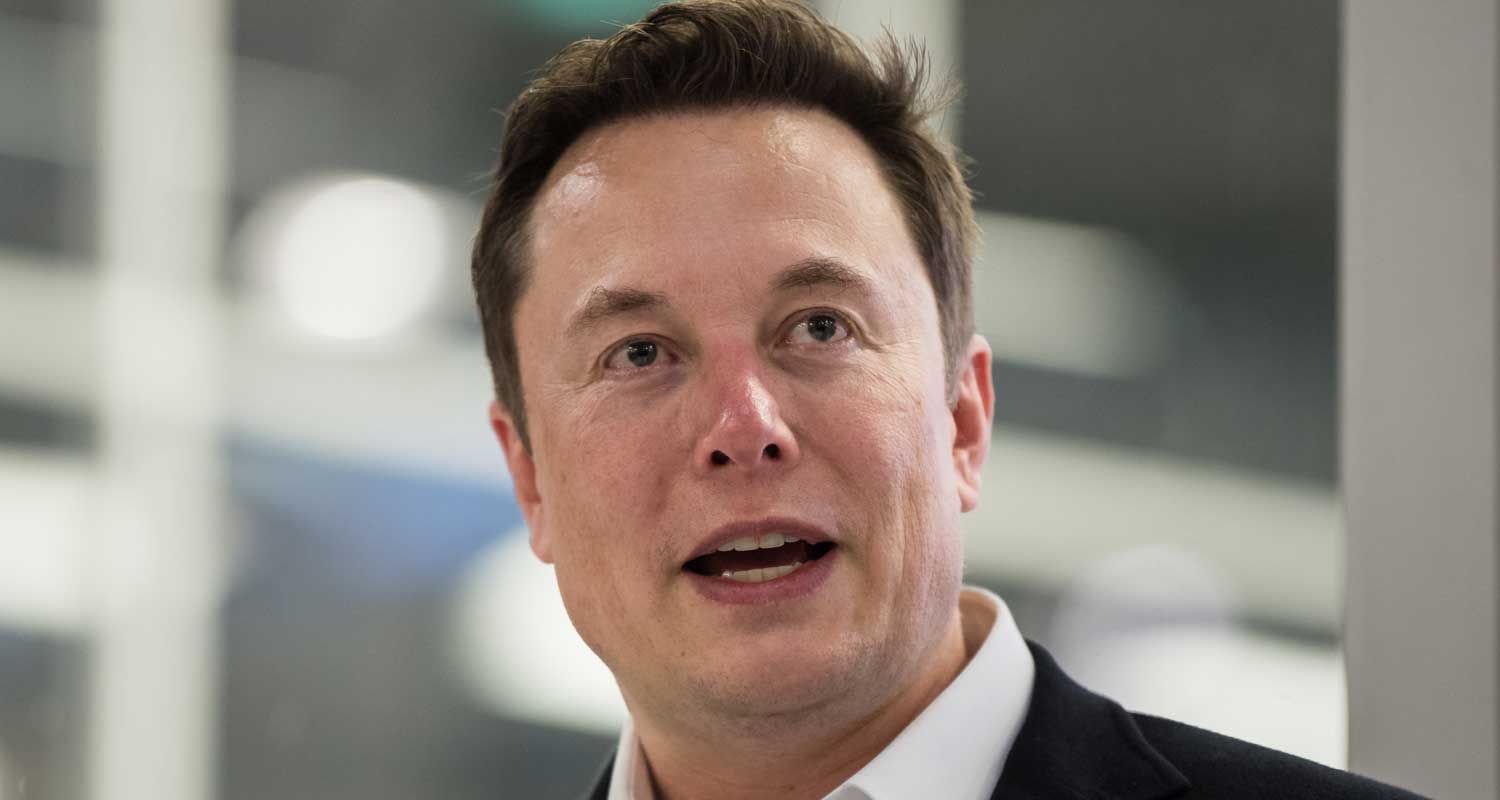
 Musk has pushed hard to accelerate Neuralink’s progress, which depends heavily on animal testing, current and former employees said. Earlier this year, the chief executive sent staffers a news article about Swiss researchers who developed an electrical implant that helped a paralysed man to walk again. “We could enable people to use their hands and walk again in daily life!” he wrote to staff at 6.37am Pacific time on 8 February. Ten minutes later, he followed up: “In general, we are simply not moving fast enough. It is driving me nuts!”
On several occasions over the years, Musk has told employees to imagine they had a bomb strapped to their heads in an effort to get them to move faster, according to three sources who repeatedly heard the comment. On one occasion a few years ago, Musk told employees he would trigger a “market failure” at Neuralink unless they made more progress, a comment perceived by some employees as a threat to shut down operations, according to a former staffer who heard his comment.
Five people who’ve worked on Neuralink’s animal experiments said they had raised concerns internally. They said they had advocated for a more traditional testing approach, in which researchers would test one element at a time in an animal study and draw relevant conclusions before moving on to more animal tests. Instead, these people said, Neuralink launches tests in quick succession before fixing issues in earlier tests or drawing complete conclusions. The result: more animals overall are tested and killed, in part because the approach leads to repeated tests.
One former employee who asked management several years ago for more deliberate testing was told by a senior executive it wasn’t possible given Musk’s demands for speed, the employee said. Two people said they left the company over concerns about animal research.
Musk’s impatience with Neuralink has grown as the company, which launched in 2016, has missed his deadlines on several occasions
The problems with Neuralink’s testing have raised questions internally about the quality of the resulting data, three current or former employees said. Such problems could potentially delay the company’s bid to start human trials, which Musk has said the company wants to do within the next six months. They also add to a growing list of headaches for Musk, who is facing criticism of his management of Twitter, which he recently acquired for $44-billion. Musk also continues to run electric car maker Tesla and rocket company SpaceX.
The US Food and Drug Administration is in charge of reviewing the company’s applications for approval of its medical device and associated trials. The company’s treatment of animals during research, however, is regulated by the USDA under the Animal Welfare Act. The FDA didn’t immediately comment.
Musk’s impatience with Neuralink has grown as the company, which launched in 2016, has missed his deadlines on several occasions to win regulatory approval to start clinical trials in humans, according to company documents and interviews with eight current and former employees.
Some Neuralink rivals are having more success. Synchron, which was launched in 2016 and is developing a different implant with less ambitious goals for medical advances, received FDA approval to start human trials in 2021. The company’s device has allowed paralysed people to text and type by thinking alone. Synchron has also conducted tests on animals, but it has killed only about 80 sheep as part of its research, according to studies of the Synchron implant. Musk approached Synchron about a potential investment, Reuters reported in August. Synchron declined to comment.
‘Monkey Disneyland’
In some ways, Neuralink treats animals quite well compared to other research facilities, employees said in interviews, echoing public statements by Musk and other executives. Company leaders have boasted internally of building a “Monkey Disneyland” in the company’s Austin, Texas facility where lab animals can roam, a former employee said. In the company’s early years, Musk told employees he wanted the monkeys at his San Francisco Bay Area operation to live in a “monkey Taj Mahal”, said a former employee who heard the comment. Another former employee recalled Musk saying he disliked using animals for research but wanted to make sure they were “the happiest animals” while alive.
The animals have fared less well, however, when used in the company’s research, current and former employees say.
The first complaints about the company’s testing involved its initial partnership with University of California, Davis, to conduct the experiments. In February, an animal rights group, the Physicians Committee for Responsible Medicine, filed a complaint with the USDA accusing the Neuralink-UC Davis project of botching surgeries that killed monkeys and publicly released its findings. The group alleged that surgeons used the wrong surgical glue twice, which led to two monkeys suffering and ultimately dying, while other monkeys had different complications from the implants.
The company has acknowledged it killed six monkeys, on the advice of UC Davis veterinary staff, because of health problems caused by experiments. It called the issue with the glue a “complication” from the use of an “FDA-approved product”. In response to a Reuters inquiry, a UC Davis spokesman shared a previous public statement defending its research with Neuralink and saying it followed all laws and regulations.
A federal prosecutor in the northern district of California referred the animal rights group’s complaint to the USDA inspector-general, which has since launched a formal probe, according to a source with direct knowledge of the investigation. USDA investigators then inquired about the allegations involving the UC Davis monkey research, according to two sources familiar with the matter and e-mails and messages reviewed by Reuters.
The probe is concerned with the testing and treatment of animals in Neuralink’s own facilities, one of the sources said, without elaborating. In 2020, Neuralink brought the programme in-house, and has since built its extensive facilities in California and Texas.
A spokesman for the US attorney’s office for the northern district of California declined to comment.
Delcianna Winders, director of the Animal Law and Policy Institute at the Vermont Law and Graduate School, said it is “very unusual” for the USDA inspector-general to investigate animal research facilities. Winders, an animal-testing opponent who has criticised Neuralink, said the inspector-general has primarily focused in recent years on dog fighting and cockfighting actions when applying the Animal Welfare Act.
The mistakes leading to unnecessary animal deaths included one instance in 2021, when 25 out of 60 pigs in a study had devices that were the wrong size implanted in their heads, an error that could have been avoided with more preparation, according to a person with knowledge of the situation and company documents.
The mistake raised alarms among Neuralink’s researchers. In May 2021, Viktor Kharazia, a scientist, wrote to colleagues that the mistake could be a “red flag” to FDA reviewers of the study, which the company planned to submit as part of its application to begin human trials. His colleagues agreed, and the experiment was repeated with 36 sheep, according to the person with knowledge of the situation. All the animals, both the pigs and the sheep, were killed after the procedures, the person said.
Kharazia did not comment in response to requests.
On another occasion, staff accidentally implanted Neuralink’s device on the wrong vertebra of two different pigs during two separate surgeries, according to two sources with knowledge of the matter and company documents. The incident frustrated several employees who said the mistakes – on two separate occasions – could have easily been avoided by carefully counting the vertebrae before inserting the device.
Pushed back
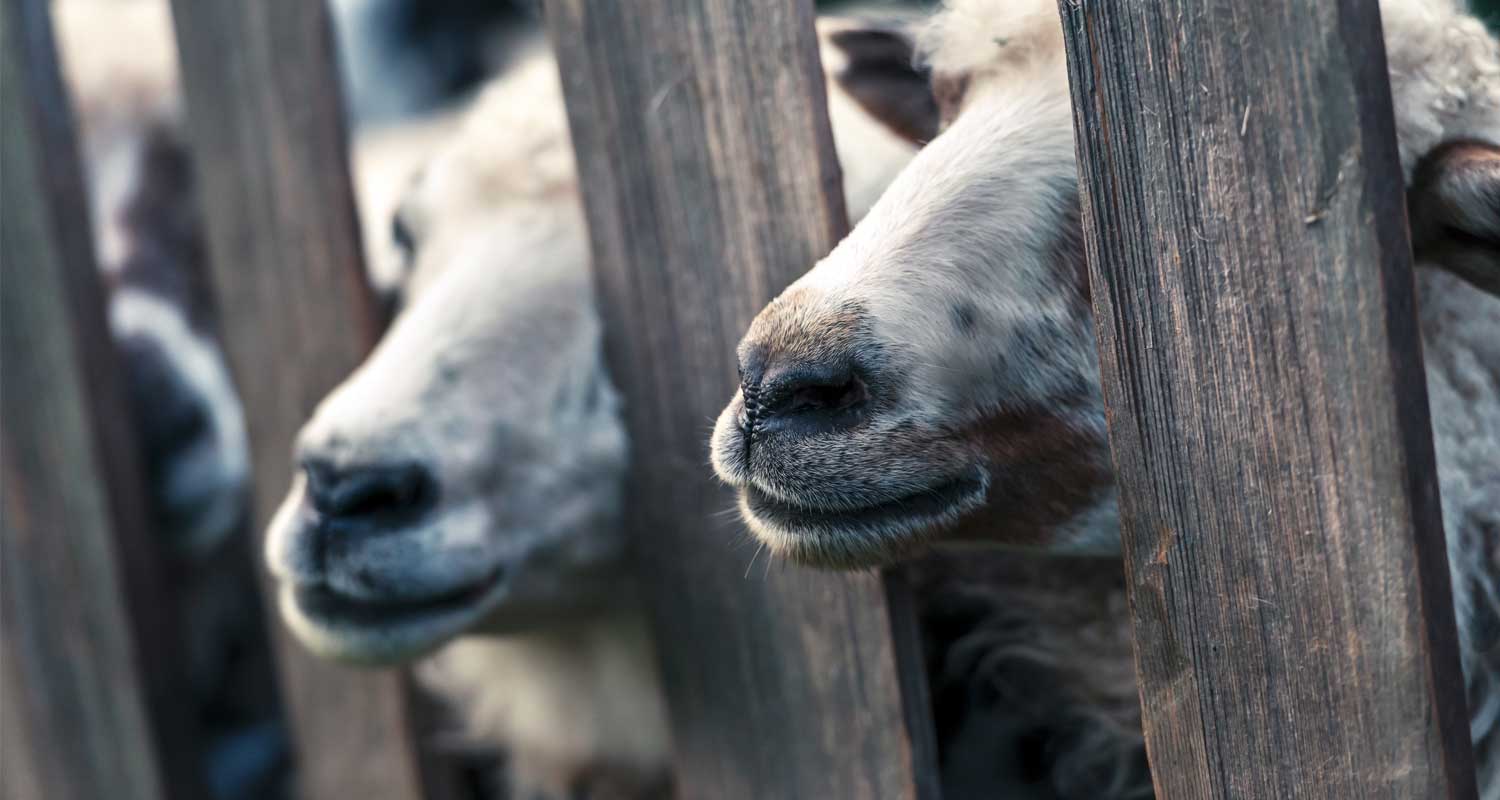
Company veterinarian Sam Baker advised his colleagues to immediately kill one of the pigs to end her suffering.
“Based on low chance of full recovery … and her current poor psychological well-being, it was decided that euthanasia was the only appropriate course of action,” Baker wrote colleagues about one of the pigs a day after the surgery, adding a broken heart emoji. Baker did not comment on the incident.
Employees have sometimes pushed back on Musk’s demands to move fast. In a company discussion several months ago, some Neuralink employees protested after a manager said that Musk had encouraged them to do a complex surgery on pigs soon. The employees resisted on the grounds that the surgery’s complexity would lengthen the amount of time the pigs would be under anaesthesia, risking their health and recovery. They argued they should first figure out how to cut down the time it would take to do the surgery.
“It’s hard on the little piggies,” one of the employees said, referring to the lengthy period under anaesthesia.
In September, the company responded to employee concerns about its animal testing by holding a town hall to explain its processes. It soon after opened up the meetings to staff of its federally mandated board that reviews the animal experiments.
Autumn Sorrells, the head of animal care, ordered employees to scrub ‘exploration’ from study titles retroactively and stop using it in the future
Neuralink executives have said publicly that the company tests animals only when it has exhausted other research options, but documents and company messages suggest otherwise. During a 30 November presentation the company broadcast on YouTube, for example, Musk said surgeries were used at a later stage of the process to confirm that the device works rather than to test early hypotheses. “We’re extremely careful,” he said, to make sure that testing is “confirmatory, not exploratory”, using animal testing as a last resort after trying other methods.
In October, a month before Musk’s comments, Autumn Sorrells, the head of animal care, ordered employees to scrub “exploration” from study titles retroactively and stop using it in the future. Sorrells did not comment in response to requests.
Neuralink records reviewed by Reuters contained numerous references over several years to exploratory surgeries, and three people with knowledge of the company’s research strongly rejected the assertion that Neuralink avoids exploratory tests on animals. Company discussions reviewed by Reuters showed several employees expressing concerns about Sorrells’ request to change exploratory study descriptions, saying it would be inaccurate and misleading. — Rachael Levy, (c) 2022 Reuters