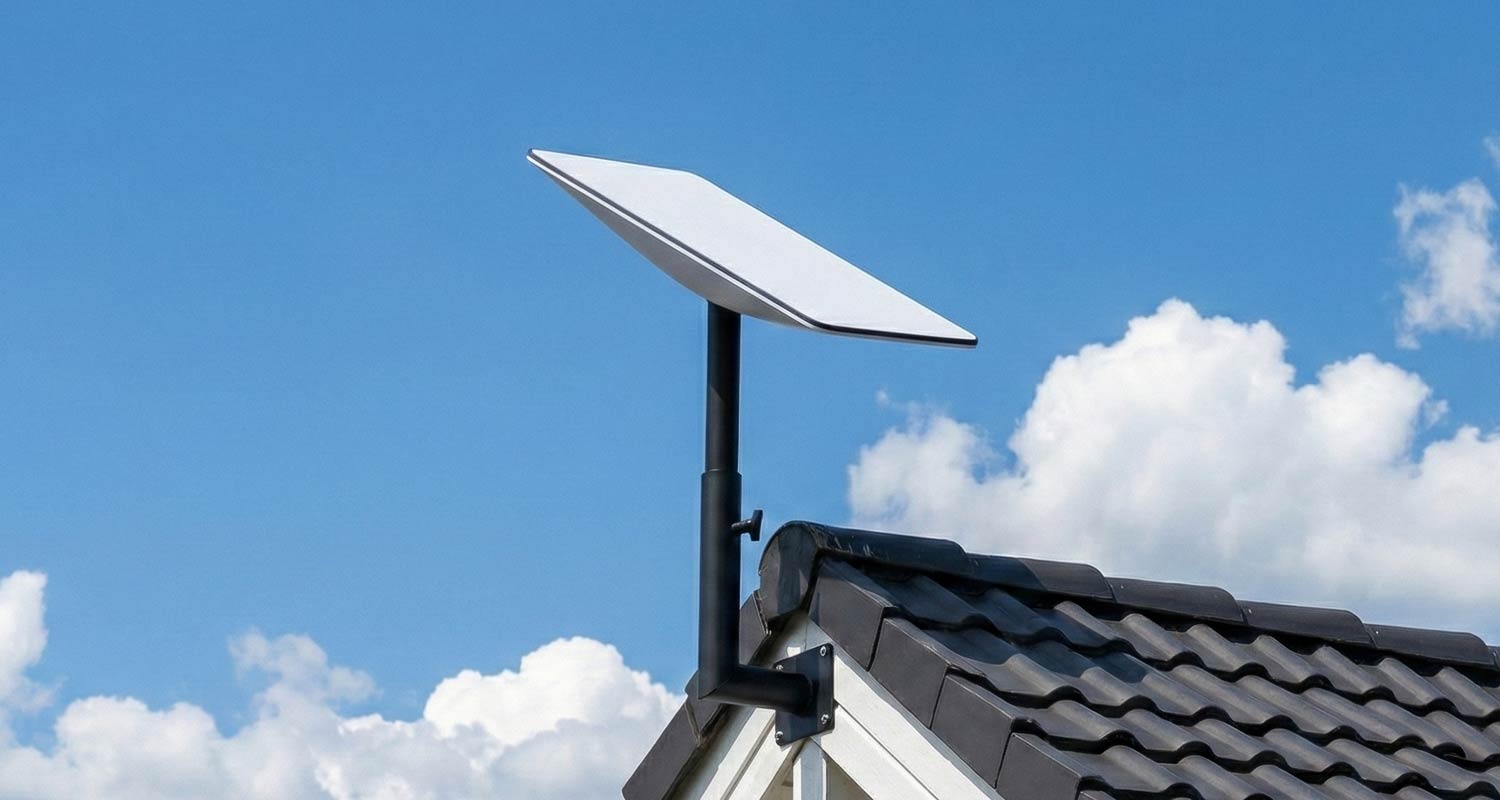
Namibia has turned down applications from Elon Musk’s satellite internet provider Starlink for a telecommunications service licence and access to radio spectrum, a notice in the Southern African country’s government gazette showed.
The notice, dated 23 March, did not say why Starlink’s applications were declined.
The Communications Regulatory Authority of Namibia could reconsider the decisions “on its own motion or on a petition filed by an aggrieved party” within 90 days, the notice added.
A spokesman for the regulator said a statement would be issued later.
SpaceX, parent company of Starlink, did not immediately respond to a request for comment.
Starlink operates in several African countries but has faced regulatory challenges in others and resistance from state telecommunications monopolies.
In November 2024, the Namibian regulator hit Starlink with a cease-and-desist order, saying it had been operating in the country without a licence.
South Africa
It also warned consumers against purchasing Starlink equipment and said it had confiscated illegal terminals from consumers. SpaceX did not respond to a request for comment at the time.
Meanwhile, Starlink’s path to an operating licence in South Africa has been mired in regulatory and political gridlock for years, making the country one of the most prominent holdouts on the continent.
Read: Starlink expands public advocacy campaign as it pushes for SA licence
The core obstacle is communications regulator Icasa’s requirement that telecoms licensees sell 30% of their equity to historically disadvantaged South Africans.
SpaceX, which maintains a global policy against local equity dilution, has refused to comply, arguing the rule effectively bars it from the market. The company has instead pushed for equity equivalent investment programmes, or EEIPs — a mechanism already used in other sectors of the economy — that would allow it to meet empowerment obligations through direct investment rather than shareholding.
Communications minister Solly Malatsi issued a policy directive to Icasa in late 2025 instructing the regulator to explore the EEIP route, but the move drew sharp criticism from ANC MPs, who accused Malatsi of trying to fast-track Starlink’s entry. Malatsi denied favouring the company, insisting the directive was not designed to benefit any single entity.
Icasa has acknowledged the directive but said it will follow its own regulatory processes — a timeline that ICT lawyer Dominic Cull has warned could stretch to two years or more. SpaceX has yet to formally apply for a licence.
In the meantime, Icasa has cracked down on South Africans using Starlink via grey-market imports and international roaming, deploying inspection teams and warning consumers against purchasing unauthorised equipment.
SpaceX has escalated its public lobbying, launching an advocacy website, pledging R500-million to connect 5 000 rural schools and urging South Africans to write to Icasa in support of regulatory reform.
But the company’s aggressive campaign has done little to shift the regulatory impasse — and rivals willing to comply with the equity rules, including Amazon’s Project Kuiper, may reach the market first. — Nyasha Nyaungwa, (c) 2026 Reuters, with additional reporting by Duncan McLeod, (c) 2026 NewsCentral Media
Get breaking news from TechCentral on WhatsApp. Sign up here.