


Telegram founder Pavel Durov said a massive cyber attack on his messaging service originated in China, raising questions about whether Beijing tried to disrupt protests on the streets of Hong Kong.
Telegram founder Pavel Durov said a massive cyber attack on his messaging service originated in China, raising questions about whether Beijing tried to disrupt protests on the streets of Hong Kong.
Netflix is unveiling new videogames based on its shows, stepping up efforts to turn its streaming platform into a multimedia empire.
China’s Hisense is making strong headway in the entry-level and midrange smartphone segments in South Africa, and is eyeing at least 10% market share, in volume terms, by the end of the year.
The University of the Witwatersrand and IBM have formed a partnership to bring quantum computing to Africa as part of the US technology giant’s efforts to expand the technology around the world.
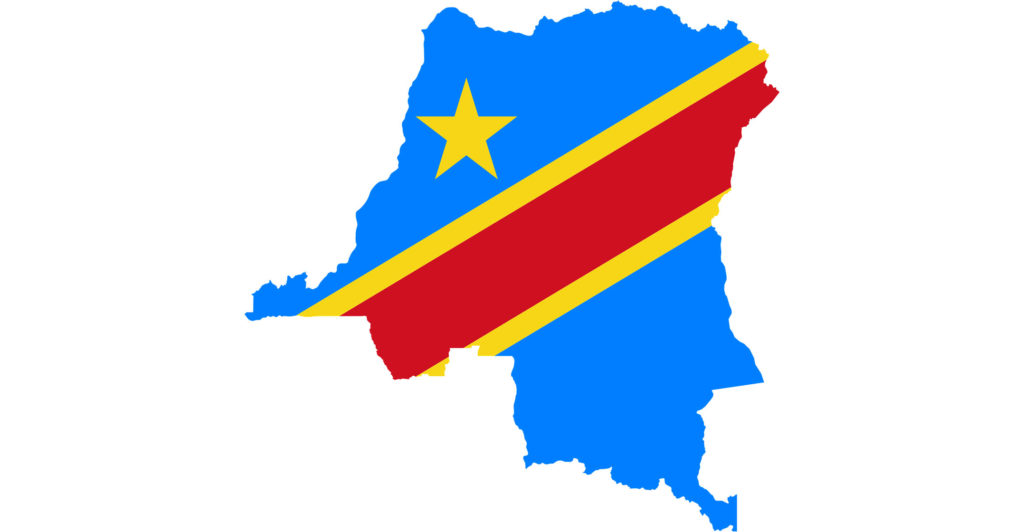
Vodacom Group’s unit in the Democratic Republic of Congo has petitioned the nation’s top administrative court to reverse a government order withdrawing its 2G licence.
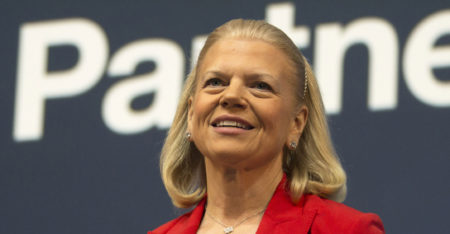
IBM is starting up so-called camps across Africa to train hundreds of engineers and scientists in quantum coding as the US tech giant readies to take hold of commercial opportunities on the continent.
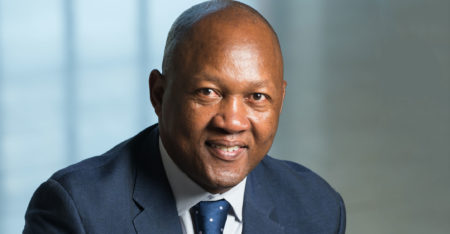
Communications minister Stella Ndabeni-Abrahams has welcomed the first meeting of the Presidential Commission on the Fourth Industrial Revolution (4IR) as a step towards achieving its objectives.
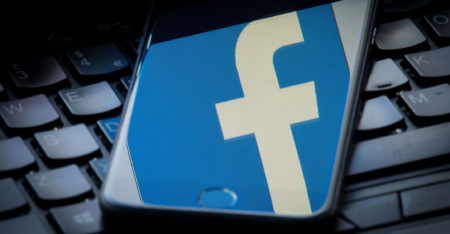
Facebook has launched a new app that will pay users to allow the social network to collect data on how people use their device and the apps downloaded to it.
Messaging platform Telegram has confirmed it was the target of a cyber attack but said it was aimed at disrupting the service rather than an attempt to steal user data.
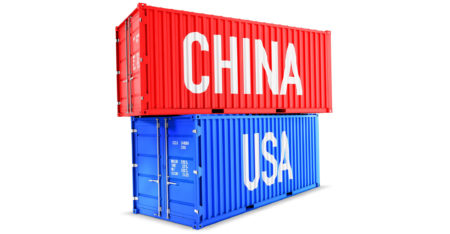
If there is to be a Cold War 2.0, it’s set to be radically different from the original, with any new “digital Iron Curtain” looking more like spaghetti than iron.