


Tencent-backed Chinese start-up Kuaishou is seeking to raise funds at about a US$17bn valuation, people familiar with the matter said, as it expands its video-streaming service to Southeast Asia. The company is targeting around $1bn
Tencent-backed Chinese start-up Kuaishou is seeking to raise funds at about a US$17bn valuation, people familiar with the matter said, as it expands its video-streaming service to Southeast Asia. The company is targeting around $1bn
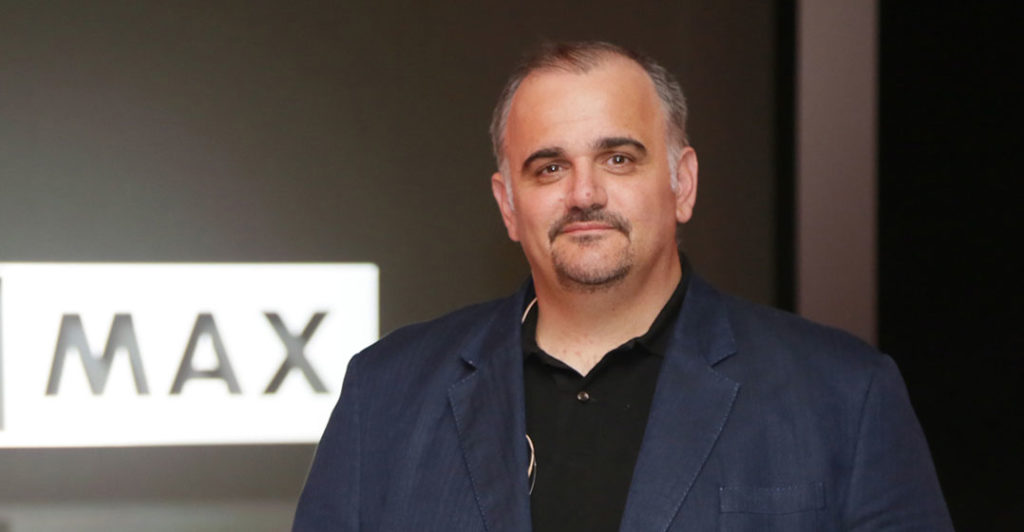
John Kotsaftis, the founder and CEO of Showmax, has quit the video-on-demand streaming service provider owned by Naspers to join Fox Networks Group Asia, based in Singapore, where he will lead the development of subscription VOD

Mix Telematics was the best performing technology share on the JSE in 2017, TechCentral’s annual analysis of share price performances shows. The company, which provides fleet management and vehicle tracking services, saw its

Naspers is in talks to lead an investment of as much as R2.5bn in India’s Swiggy to increase its stake in the online food-delivery company, according to two people familiar with the matter. Africa’s biggest company by market value
Naspers CEO Bob van Dijk said Africa’s largest company will consider “structural options” if the value gap with its stake in Tencent persists. Naspers has a 33% stake in Shenzhen, China-based Internet giant Tencent, valued at

Naspers is being probed by a US law firm over whether Africa’s biggest company by market value was involved in…
China’s Tencent, in which South Africa’s Naspers has a 33.2% stake, may be selling off, but analysts are the most bullish on record. The tech giant fell for the fourth time in five sessions on Tuesday as angst over US technology
Given the explosive allegations made in the last two weeks regarding the basis for the contract between ANN7 and Naspers’s subsidiary MultiChoice, Moneyweb attempted to get the previous communications minister, Yunus

MultiChoice on Friday morning said that it is aware that its deal with ANN7 has caused “real public concern”. The broadcaster’s board has instructed its audit and risk committees to probe the contract. In a statement, MultiChoice
Tencent slumped on Friday, putting it in line for its worst week in almost two years, as investors took profit in global technology shares and before the stock’s weighting gets reduced in Hong Kong’s benchmark index. Tencent