Imagine it’s 2036. Unemployment has been halved, business confidence is robust, and millions of small and medium-sized enterprises are powering sustainable growth. South Africa finally looks like a country realising its potential.
At the heart of this shift is a simple but transformative change: the widespread adoption of PayShap, a low-cost instant payment system that replaced cash and unlocked access to finance.
That future is not guaranteed. Without decisive action to modernise payments, another awaits – one where SMEs still struggle to grow, constrained by a lack of collateral to secure funding. Unemployment remains high and GDP growth is lacklustre.
In 2026, we stand at the crossroads. PayShap, which celebrates its third anniversary this month, is one of government’s key catalysts for payments reform, with objectives that include speeding up fund flows across the value chain at vastly reduced cost. It is designed to become the country’s default payment rail, characterised by instant settlement and low fees.
But like all catalysts, it only works when it reaches critical mass. And the honest assessment, three years in, is that it hasn’t.
Transaction volumes, although growing, remain small compared to legacy rails such as card payments, electronic funds transfers and real-time clearing. Awareness among consumers is building, but PayShap has not yet become embedded in the daily habits of South Africans.
Structural
The reasons for this are structural, not technical.
PayShap was initially driven by the big retail banks under BankservAfrica. Only a small number of banks hosted it on their apps and platforms, making it difficult to find and use. And because listed financial institutions are primarily accountable to their shareholders, promoting a new low-cost payment rail that cannibalises their own non-interest revenue income creates a direct conflict of interest. This tension has been one of the biggest brakes on adoption.
It has also become clear, from successful schemes in places like Brazil and India, that central banks – rather than the private sector – need to drive instant payments adoption by establishing purpose-driven entities supported by active oversight, clear rules and enforcement.
Read: India’s UPI shows what South Africa’s PayShap could become – if we dare
Last year’s South African Reserve Bank investment in PayShap through BankservAfrica, since rebranded PayInc, triggered a necessary course correction. More recently, finance minister Enoch Godongwana confirmed in his 2026 budget speech that PayInc would provide “open, shared digital payments infrastructure” to support interoperability across payment providers, serving as the main platform for both high-value and retail transactions.
This repositioning of PayShap as a utility – rather than a product with variable pricing and limits across different banks – is the right move. It should embed PayShap in the national consciousness as public infrastructure rather than just another banking product.
Vital
Under the Reserve Bank’s leadership, PayShap is evolving into a cohesive, unifying rail intended to become the country’s default payment channel. At GoTyme Bank, we have already embedded a unified payment channel in our new banking app – one that automatically routes customers through the lowest-cost option, which is PayShap, every time they transact.
But important milestones remain. In a highly regulated sector, clarity on risk and compliance is vital, and fraud mitigation must advance faster than criminal networks can devise new methods. The Reserve Bank must lead decisively on these issues. Without robust governance, PayShap will not earn the trust of users at scale.
Read: High fees keep PayShap stuck in first gear
The potential is real. At full adoption, PayShap would be used by South Africans to settle all their buying and selling. The shift would unlock substantial working capital for entrepreneurs to invest more money, more quickly. As SMEs grow, they hire more staff, helping to address the unemployment crisis. A rising population of economically active people broadens financial inclusion and further stimulates growth.
PayShap blends global best practice with the capability of South Africa’s financial sector and the power of collaboration under the Reserve Bank’s guidance. Three years in, the foundations are in place. What’s needed now is the political will and institutional commitment to see it through.
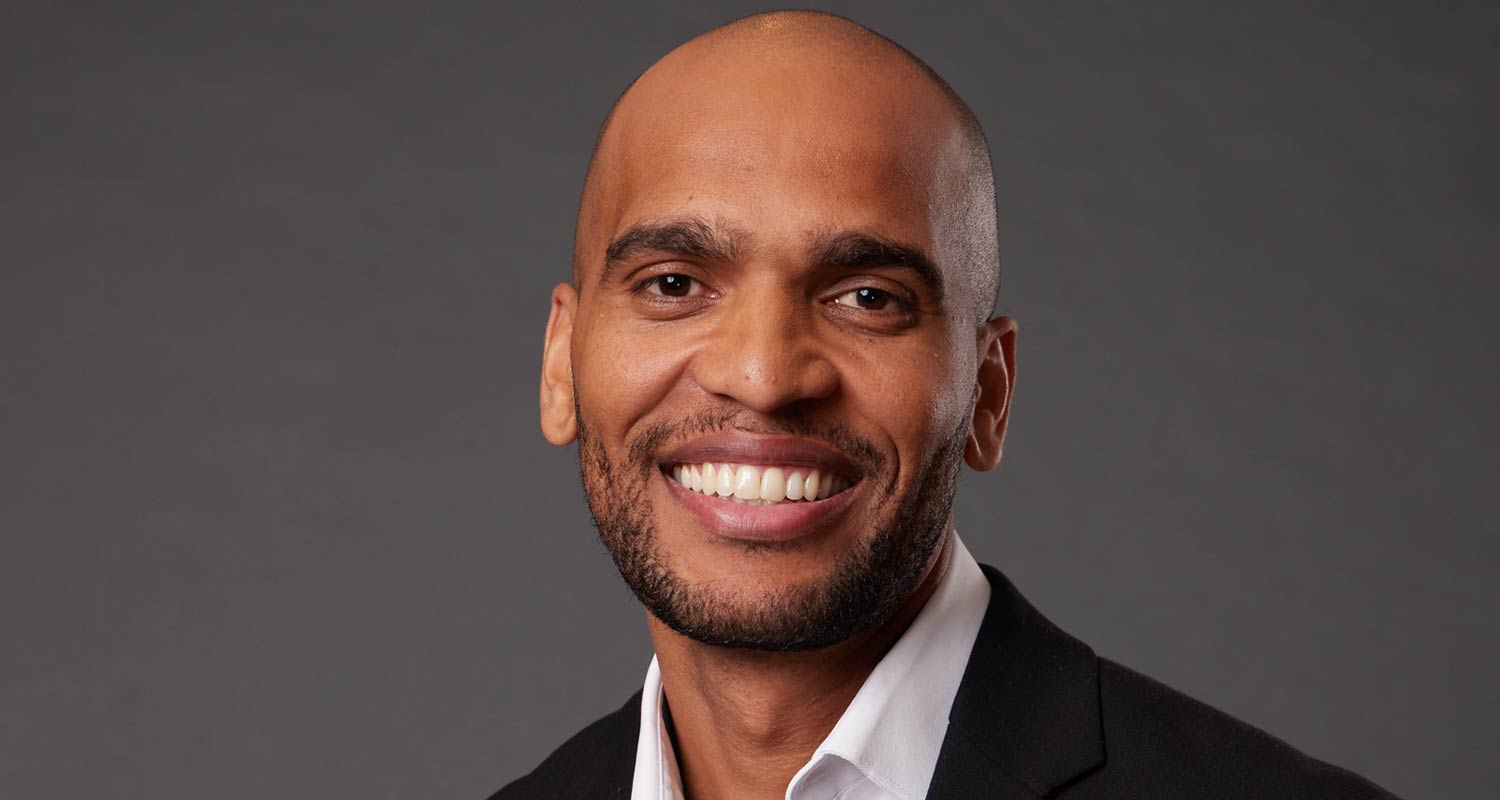
- The author, Cheslyn Jacobs, is CEO of GoTyme Bank
Get breaking news from TechCentral on WhatsApp. Sign up here.