Close Menu
TechCentralTechCentral

    Subscribe to the newsletter

    Get the best South African technology news and analysis delivered to your e-mail inbox every morning.

    Facebook X (Twitter) YouTube LinkedIn
    WhatsApp Facebook X (Twitter) LinkedIn YouTube
    TechCentralTechCentral
    • News
      Cell C cleans up its balance sheet but faces tough trading reality

      Cell C cleans up its balance sheet but faces tough trading reality

      13 February 2026
      MVNO business shines in Cell C's first post-listing results - Jorges Mendes

      MVNO business shines in Cell C’s first post-listing results

      13 February 2026
      Ramaphosa presses ahead with Eskom break-up - Cyril Ramaphosa

      Ramaphosa presses ahead with Eskom break-up

      13 February 2026
      The key technology takeaways from Ramaphosa's 2026 Sona - Cyril Ramaphosa

      The key technology takeaways from Ramaphosa’s 2026 Sona

      13 February 2026
      Toyota SA CEO: NEV inaction will cost South Africa its motoring industry - Andrew Kirby

      Toyota SA CEO: NEV inaction will cost South Africa its motoring industry

      12 February 2026
    • World
      Russia bans WhatsApp

      Russia bans WhatsApp

      12 February 2026
      EU regulators take aim at WhatsApp

      EU regulators take aim at WhatsApp

      9 February 2026
      Musk hits brakes on Mars mission

      Musk hits brakes on Mars mission

      9 February 2026
      Crypto firm accidentally sends R700-billion in bitcoin to its users

      Crypto firm accidentally sends R700-billion in bitcoin to its users

      8 February 2026
      AI won't replace software, says Nvidia CEO amid market rout - Jensen Huang

      AI won’t replace software, says Nvidia CEO amid market rout

      4 February 2026
    • In-depth
      How liberalisation is rewiring South Africa's power sector

      How liberalisation is rewiring South Africa’s power sector

      21 January 2026
      The top-performing South African tech shares of 2025

      The top-performing South African tech shares of 2025

      12 January 2026
      Digital authoritarianism grows as African states normalise internet blackouts

      Digital authoritarianism grows as African states normalise internet blackouts

      19 December 2025
      TechCentral's South African Newsmakers of 2025

      TechCentral’s South African Newsmakers of 2025

      18 December 2025
      Black Friday goes digital in South Africa as online spending surges to record high

      Black Friday goes digital in South Africa as online spending surges to record high

      4 December 2025
    • TCS
      Watts & Wheels S1E4: 'We drive an electric Uber'

      Watts & Wheels S1E4: ‘We drive an electric Uber’

      10 February 2026
      TCS+ | How Cloud On Demand is helping SA businesses succeed in the cloud - Xhenia Rhode, Dion Kalicharan

      TCS+ | Cloud On Demand and Consnet: inside a real-world AWS partner success story

      30 January 2026
      Watts & Wheels S1E4: 'We drive an electric Uber'

      Watts & Wheels S1E3: ‘BYD’s Corolla Cross challenger’

      30 January 2026
      Watts & Wheels S1E4: 'We drive an electric Uber'

      Watts & Wheels S1E2: ‘China attacks, BMW digs in, Toyota’s sublime supercar’

      23 January 2026

      TCS+ | Why cybersecurity is becoming a competitive advantage for SA businesses

      20 January 2026
    • Opinion
      A million reasons monopolies don't work - Duncan McLeod

      A million reasons monopolies don’t work

      10 February 2026
      Eskom unbundling U-turn threatens to undo hard-won electricity gains - Busi Mavuso

      Eskom unbundling U-turn threatens to undo hard-won electricity gains

      9 February 2026
      South Africa's skills advantage is being overlooked at home - Richard Firth

      South Africa’s skills advantage is being overlooked at home

      29 January 2026
      Why Elon Musk's Starlink is a 'hard no' for me - Songezo Zibi

      Why Elon Musk’s Starlink is a ‘hard no’ for me

      26 January 2026
      A million reasons monopolies don't work - Duncan McLeod

      South Africa’s new fibre broadband battle

      20 January 2026
    • Company Hubs
      • Africa Data Centres
      • AfriGIS
      • Altron Digital Business
      • Altron Document Solutions
      • Altron Group
      • Arctic Wolf
      • AvertITD
      • Braintree
      • CallMiner
      • CambriLearn
      • CYBER1 Solutions
      • Digicloud Africa
      • Digimune
      • Domains.co.za
      • ESET
      • Euphoria Telecom
      • Incredible Business
      • iONLINE
      • IQbusiness
      • Iris Network Systems
      • LSD Open
      • Mitel
      • NEC XON
      • Netstar
      • Network Platforms
      • Next DLP
      • Ovations
      • Paracon
      • Paratus
      • Q-KON
      • SevenC
      • SkyWire
      • Solid8 Technologies
      • Telit Cinterion
      • Tenable
      • Vertiv
      • Videri Digital
      • Vodacom Business
      • Wipro
      • Workday
      • XLink
    • Sections
      • AI and machine learning
      • Banking
      • Broadcasting and Media
      • Cloud services
      • Contact centres and CX
      • Cryptocurrencies
      • Education and skills
      • Electronics and hardware
      • Energy and sustainability
      • Enterprise software
      • Financial services
      • Information security
      • Internet and connectivity
      • Internet of Things
      • Investment
      • IT services
      • Lifestyle
      • Motoring
      • Public sector
      • Retail and e-commerce
      • Satellite communications
      • Science
      • SMEs and start-ups
      • Social media
      • Talent and leadership
      • Telecoms
    • Events
    • Advertise
    TechCentralTechCentral
    Home » Sections » Electronics and hardware » Why Apple rolled over in Qualcomm lawsuit

    Why Apple rolled over in Qualcomm lawsuit

    By Agency Staff17 April 2019
    Twitter LinkedIn Facebook WhatsApp Email Telegram Copy Link
    News Alerts
    WhatsApp

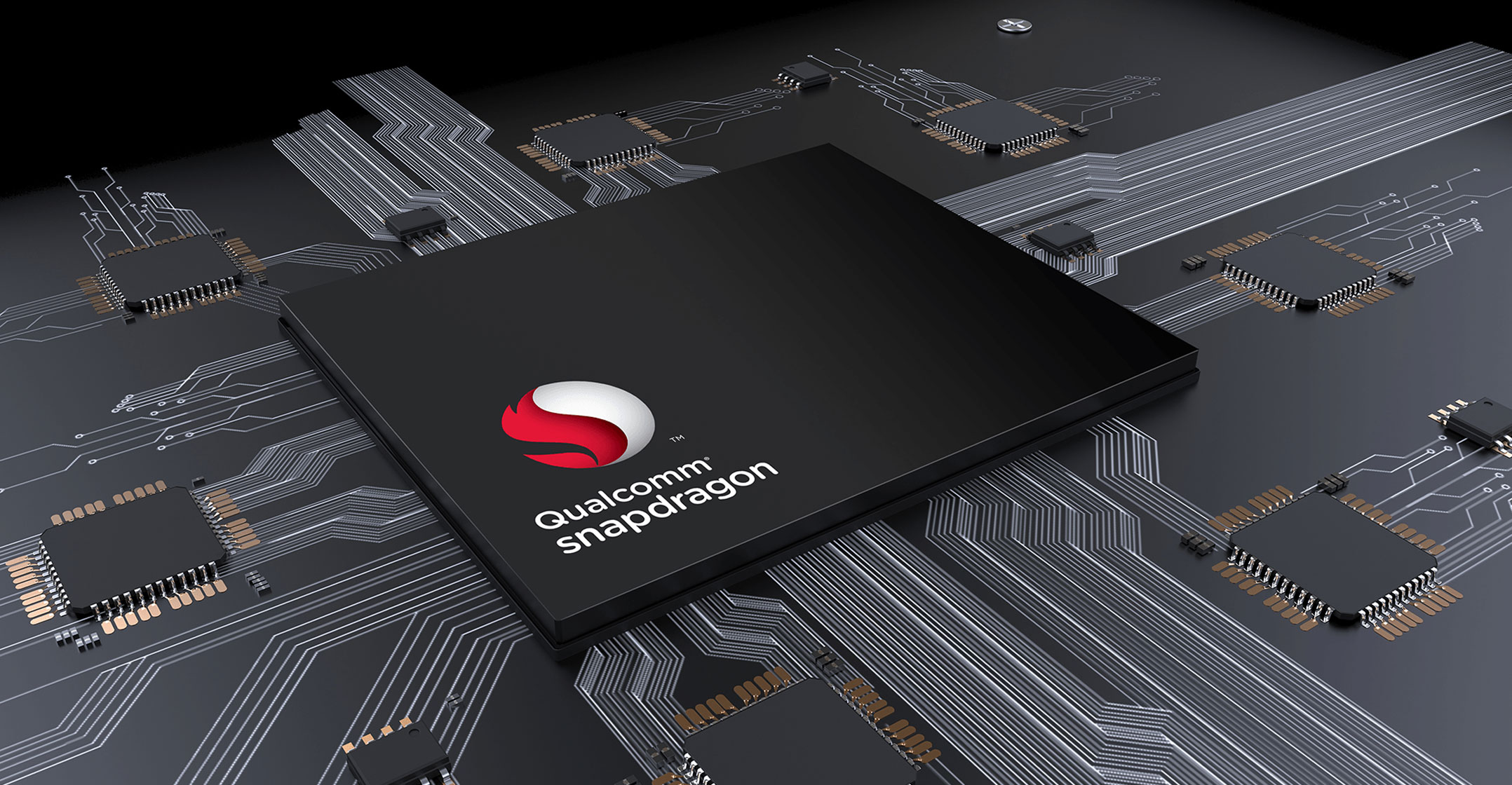
    Apple put its flagship product, the iPhone, ahead of distaste for the way Qualcomm does business in settling a bitter, two-year legal dispute with the chip maker.

    Apple needs chips that will connect the iPhone to the new, 5G wireless networks being introduced now or risk falling behind its rivals. The company had bet on Intel, but recently decided its would-be 5G supplier wasn’t up to the task.

    That led Apple back to Qualcomm — and spurred a sudden end to a long-running court fight over patents, component costs and royalties for one of the most critical parts of an iPhone. Modems, or baseband processors, are what connects all iPhones and some iPads and Apple Watches to cellular networks and the Internet on the go.

    Apple needs chips that will connect the iPhone to the new, 5G wireless networks being introduced now or risk falling behind its rivals

    Throughout the fight, which centred on Apple’s accusations that Qualcomm overcharges for patents on its technology, the iPhone maker played down the importance of the modem and Qualcomm’s inventions. Just before the settlement was announced on Tuesday, Apple’s lawyers were in a San Diego courtroom saying the component was just another method of connecting to the Internet. In reality, Qualcomm’s modems are leading a potential revolution in mobile Internet — and Apple could have been forced to play catch-up without them.

    Intel, which dominates the market in PC chips, has struggled for decades in mobile. The company pledged that its 5G part was coming in phones next year. But within hours of Apple’s deal with Qualcomm, and with it the loss of its prime mobile customer, Intel announced it would end its effort to produce a 5G modem for smartphones.

    Samsung ahead

    Apple’s rival Samsung Electronics already has a 5G-capable phone on sale using Qualcomm’s products. The San Diego-based chip maker has also said it will have a better 5G modem ready by the end of the year — plenty of time for Apple to introduce a 5G phone in September 2020.

    “If they didn’t settle with Qualcomm soon, they’d miss next year’s product,” said Mike Walkley, an analyst at Canaccord Genuity. “Building their own baseband will take years and Intel is behind. Maybe that was the final thing that got this done.”

    Apple already faces falling iPhone sales and a saturated global smartphone market. The company in January reported that holiday revenue declined year over year for the first time since the iPhone was introduced in 2007. As it pushes more services tied to its smartphone, Apple can’t afford to lose potential customers because its technology wasn’t up to speed.

    It’s all about the iPhone

    As in previous generations of wireless technology, Qualcomm is the market leader in 5G, which will let phones and tablets download videos and music, and open Web pages much faster than the current 4G/LTE standard. It’s also being heralded by its backers as the gateway to connections for a flood of new devices and services.

    Amid the litigation, Apple and Qualcomm ended their chip relationship. Intel was given exclusive orders for all new model iPhones. Apple also held off paying Qualcomm billions of dollars in licensing fees. That high-margin revenue fuels Qualcomm’s industry-leading research and design budget, helping it field the most capable parts.

    The settlement with Qualcomm clears Apple’s path to launching a 5G phone as early as next year. Given that the settlement occurred in April, or about five months before Apple plans to introduce the next iPhones, it’s unlikely the company would be able to unveil a 5G device this year.

    The settlement is a boon for Qualcomm’s financial results. Its stock had its best day since 1999 on the news

    Apple and Qualcomm’s agreement is a six-year pact, according to the joint statement from the companies. Gene Munster, a longtime Apple analyst and now co-founder of Loup Ventures, believes Qualcomm won the showdown, but it may be a short-term victory. Munster said the chip maker may lose Apple as a customer in three years because the Cupertino, California-based company will be able to manufacture its own modems by then.

    The settlement is a boon for Qualcomm’s financial results. Its stock had its best day since 1999 on the news. Earlier on Tuesday, before the deal was announced, a lawyer for Qualcomm blamed the dispute for the company’s job cuts and reduced revenue over the past several quarters. The agreement will contribute US$2/share to Qualcomm’s earnings when shipments to Apple kick in, the company said, without providing any more specifics.

    Indictment of Intel

    Apple’s decision to cut a deal with Qualcomm was an indictment of Intel’s modem efforts. Once Apple decided Intel wasn’t capable of serving as a single supplier of high-quality 5G modems, the iPhone maker viewed a settlement with Qualcomm as the necessary conclusion to the multiyear dispute.

    “This is a home run for Qualcomm,” said Jerome Dodson, a fund manager at Parnassus Investments in San Francisco, which owns Qualcomm and Apple shares. “It really gives them a monopoly position which Apple won’t like.”  — Reported by Ian King and Mark Gurman, (c) 2019 Bloomberg LP



    Apple Intel Qualcomm top
    WhatsApp YouTube Follow on Google News Add as preferred source on Google
    Share. Facebook Twitter LinkedIn WhatsApp Telegram Email Copy Link
    Previous ArticleEskom CEO says ‘days of surprises’ are over
    Next Article Angola mobile tender undermines president’s transparency pledge

    Related Posts

    AI chatbots are coming to Apple CarPlay

    AI chatbots are coming to Apple CarPlay

    8 February 2026
    Smartphone market hit by deepening memory crisis

    Smartphone market hit by deepening memory crisis

    5 February 2026
    Google goes from laggard to leader in AI

    Google goes from laggard to leader in AI

    5 February 2026
    Company News
    Cell C delivers maiden results with growth momentum, financial flexibility - Jorges Mendes

    Cell C delivers maiden results with growth momentum, financial flexibility

    13 February 2026
    Start-up king joins Paratus Rwanda - Innocent Mutimura

    Start-up king joins Paratus Rwanda

    13 February 2026
    How NEC XON tackled identity risk for a major telco - Michael de Neuilly Rice

    How NEC XON tackled identity risk for a major telco

    11 February 2026
    Opinion
    A million reasons monopolies don't work - Duncan McLeod

    A million reasons monopolies don’t work

    10 February 2026
    Eskom unbundling U-turn threatens to undo hard-won electricity gains - Busi Mavuso

    Eskom unbundling U-turn threatens to undo hard-won electricity gains

    9 February 2026
    South Africa's skills advantage is being overlooked at home - Richard Firth

    South Africa’s skills advantage is being overlooked at home

    29 January 2026

    Subscribe to Updates

    Get the best South African technology news and analysis delivered to your e-mail inbox every morning.

    Latest Posts
    Cell C cleans up its balance sheet but faces tough trading reality

    Cell C cleans up its balance sheet but faces tough trading reality

    13 February 2026
    MVNO business shines in Cell C's first post-listing results - Jorges Mendes

    MVNO business shines in Cell C’s first post-listing results

    13 February 2026
    Ramaphosa presses ahead with Eskom break-up - Cyril Ramaphosa

    Ramaphosa presses ahead with Eskom break-up

    13 February 2026
    The key technology takeaways from Ramaphosa's 2026 Sona - Cyril Ramaphosa

    The key technology takeaways from Ramaphosa’s 2026 Sona

    13 February 2026
    © 2009 - 2026 NewsCentral Media
    • Cookie policy (ZA)
    • TechCentral – privacy and Popia

    Type above and press Enter to search. Press Esc to cancel.

    Manage consent

    TechCentral uses cookies to enhance its offerings. Consenting to these technologies allows us to serve you better. Not consenting or withdrawing consent may adversely affect certain features and functions of the website.

    Functional Always active
    The technical storage or access is strictly necessary for the legitimate purpose of enabling the use of a specific service explicitly requested by the subscriber or user, or for the sole purpose of carrying out the transmission of a communication over an electronic communications network.
    Preferences
    The technical storage or access is necessary for the legitimate purpose of storing preferences that are not requested by the subscriber or user.
    Statistics
    The technical storage or access that is used exclusively for statistical purposes. The technical storage or access that is used exclusively for anonymous statistical purposes. Without a subpoena, voluntary compliance on the part of your Internet Service Provider, or additional records from a third party, information stored or retrieved for this purpose alone cannot usually be used to identify you.
    Marketing
    The technical storage or access is required to create user profiles to send advertising, or to track the user on a website or across several websites for similar marketing purposes.
    • Manage options
    • Manage services
    • Manage {vendor_count} vendors
    • Read more about these purposes
    View preferences
    • {title}
    • {title}
    • {title}