
Close Menu
TechCentralTechCentral

    Subscribe to the newsletter

    Get the best South African technology news and analysis delivered to your e-mail inbox every morning.

    Facebook X (Twitter) YouTube LinkedIn
    WhatsApp Facebook X (Twitter) LinkedIn YouTube
    TechCentralTechCentral
    • News
      Skills authority to probe MICT Seta leadership crisis - Buti Manamela

      Skills authority to probe MICT Seta leadership crisis

      21 July 2026
      Home affairs opens visa fast lane - with tech talent a top priority

      Home affairs opens visa fast lane – with tech talent a top priority

      21 July 2026
      Mastercard bets billions on the tech that could eat its lunch - Prakriti Singh

      Mastercard bets billions on the tech that could eat its lunch

      21 July 2026
      From care homes to production lines, the robots are coming

      From care homes to production lines, the robots are coming

      21 July 2026
      Remote work in South Africa hits record high

      Remote work in South Africa hits record high

      21 July 2026
    • World
      Meta AI will now tell parents if their teen is in crisis

      Meta AI will now tell parents if their teen is in crisis

      17 July 2026
      IBM shares crash 25% as AI upends software spending - Arvind Krishna

      IBM shares crash 25% as AI upends software spending

      15 July 2026
      Jony Ive's first OpenAI device: an AI smart speaker - Jony Ive and Sam Altman

      Jony Ive’s first OpenAI device: an AI smart speaker

      15 July 2026
      Stripe, Advent in talks to buy PayPal for $53-billion

      Stripe, Advent in talks to buy PayPal for $53-billion

      15 July 2026
      Memory crisis sends smartphone market into steep decline

      Memory crisis sends smartphone market into steep decline

      13 July 2026
    • In-depth
      The plan to stop AI from breaking the world - Google DeepMind CEO Demis Hassabis. Image: John Sears

      The plan to stop AI from breaking the world

      16 July 2026
      The internet has a Strait of Hormuz problem

      The internet has a Strait of Hormuz problem

      15 July 2026
      AI boom sparks rally, frenzy and fear

      AI boom sparks rally, frenzy and fear

      11 June 2026
      Every plug-in hybrid on sale in South Africa, ranked by price - Lamborghini Temerario

      Every plug-in hybrid on sale in South Africa, ranked by price

      7 June 2026
      What Wi-Fi 8 will mean for wireless networks

      What Wi-Fi 8 will mean for wireless networks

      1 June 2026
    • TCS
      Watts & Wheels S1E7: 'Ferrari's EV breaks the internet'

      Watts & Wheels S1E7: ‘Ferrari’s EV breaks the internet’

      8 July 2026
      TCS+ | How Tracker is turning vehicle data into business strategy - Silvia Schollenberger

      TCS+ | How Tracker is turning vehicle data into business strategy

      1 July 2026
      TCS+ | IBM Bob: an AI-powered 'development partner' for the enterprise - David Spurway

      TCS+ | IBM Bob: an AI-powered development partner for the enterprise

      30 June 2026
      Watts & Wheels S1E6: 'A flawless Alfa and a bakkie that divides'

      Watts & Wheels S1E6: ‘A flawless Alfa and a bakkie that divides’

      17 June 2026
      Watts & Wheels S1E6: 'A flawless Alfa and a bakkie that divides'

      Watts & Wheels S1E5: ‘A Bentley of the bush and a car that swims’

      8 June 2026
    • Opinion
      Selling vapour is corporate suicide in slow motion - Jannie van Zyl

      Selling vapour is corporate suicide in slow motion

      16 July 2026
      Brazil's online gambling crackdown is a lesson for South Africa

      How Amazon outmanoeuvred Starlink in South Africa

      15 July 2026
      The Popia problem with agentic AI - Herman Haasbroek

      The Popia problem with agentic AI

      14 July 2026
      The author, Fanie van Rooyen

      South Africa can still catch the AI wave – here’s how

      7 July 2026
      The author, Fanie van Rooyen

      The AI utopia South Africa can’t afford

      1 July 2026
    • Company Hubs
      • 1Stream
      • Africa Data Centres
      • AfriGIS
      • Altron Digital Business
      • Altron Document Solutions
      • Altron Group
      • Arctic Wolf
      • Ascent Technology
      • AvertITD
      • BBD
      • Braintree
      • CallMiner
      • CambriLearn
      • CM Telecom
      • Contactable
      • CYBER1 Solutions
      • Digicloud Africa
      • Digimune
      • Domains.co.za
      • ESET
      • Euphoria Telecom
      • HOSTAFRICA
      • Incredible Business
      • iONLINE
      • IQbusiness
      • Iris Network Systems
      • Kaspersky
      • LSD Open
      • Mitel
      • NEC XON
      • Netstar
      • Network Platforms
      • Next DLP
      • Ovations
      • Paracon
      • Paratus
      • Q-KON
      • SevenC
      • SkyWire
      • Solid8 Technologies
      • Telit Cinterion
      • Telviva
      • Tenable
      • Vertiv
      • Videri Digital
      • Vodacom Business
      • Wipro
      • Workday
      • XLink
    • Sections
      • AI and machine learning
      • Banking
      • Broadcasting and Media
      • Cloud services
      • Contact centres and CX
      • Cryptocurrencies
      • Education and skills
      • Electronics and hardware
      • Energy and sustainability
      • Enterprise software
      • Financial services
      • HealthTech
      • Information security
      • Internet and connectivity
      • Internet of Things
      • Investment
      • IT services
      • Lifestyle
      • Policy and regulation
      • Public sector
      • Retail and e-commerce
      • Satellite communications
      • Science
      • SMEs and start-ups
      • Social media
      • Talent and leadership
      • Telecoms
      • Watts & Wheels
    • Events
    • Advertise
    TechCentralTechCentral
    Home » World » Why China is cracking down on its tech champions

    Why China is cracking down on its tech champions

    By Agency Staff6 July 2021
    Twitter LinkedIn Facebook WhatsApp Email Telegram Copy Link
    News Alerts
    WhatsApp

    China’s biggest companies got that way with at least tacit support from the government, which took a relatively hands-off approach toward the Internet, e-commerce and digital finance spheres. Now President Xi Jinping’s government is reining in the country’s most powerful corporations and their billionaire founders, including Alibaba Group, Tencent Holdings and Didi Global.

    The burst of scrutiny is shaping up to be one of the largest concerted actions against private enterprise in decades, raising the prospect that the unusual leeway enjoyed by entrepreneurs like Jack Ma, founder of sprawling Ant Group, might be coming to an end.

    1. How is China cracking down?

    The cyberspace regulator ordered Didi’s app removed from stores in July amid a review of data security. That came less than a week after the ride-hailing company’s successful US listing. Ant, the fintech giant whose business expanded dramatically during years of loose regulatory oversight, was about to go public in November 2020 when Chinese authorities slapped new rules on the online consumer-lending industry. New rules to curb monopolistic practices across the entire Internet landscape were then drafted and finalised in just three months. Regulators levied a record US$2.8-billion fine against Alibaba in April for alleged monopolistic conduct and ordered numerous “rectifications” to how it does business. Days later, they offered the first significant guidance on how Ant should overhaul its operations. Tencent, operator of the WeChat “super app”, is also said to be under regulatory scrutiny, particularly its fintech wing. China has also gone after online grocery units of companies including Meituan and Pinduoduo for improper pricing.

    2. How much is at stake?

    To cite just one example, new measures proposed this year to curb market concentration in China’s online payments market could slash Ant’s valuation by roughly two-thirds to just over $100-billion, according to Bloomberg Intelligence. It could also endanger the growth of Tencent’s fintech division, estimated to be worth $120-billion before the crackdown.

    3. What explains the crackdown?

    That’s not clear. As is almost always the case, China’s leaders have said little about their underlying intentions apart from generalities about protecting consumers and maintaining financial stability. Analysts and investors float various theories: Perhaps regulators are simply reasserting their oversight power, or maybe those in power grew frustrated with the swagger of tech billionaires and wanted to teach them a lesson. Alibaba, Tencent and Ant had a combined market capitalisation last year of nearly $2-trillion — easily surpassing state-owned behemoths like Bank of China as the country’s most valuable companies. And it’s clear that the Communist Party had grown increasingly concerned about the growing clout of its Internet firms, mostly private entities over which it has little direct control.
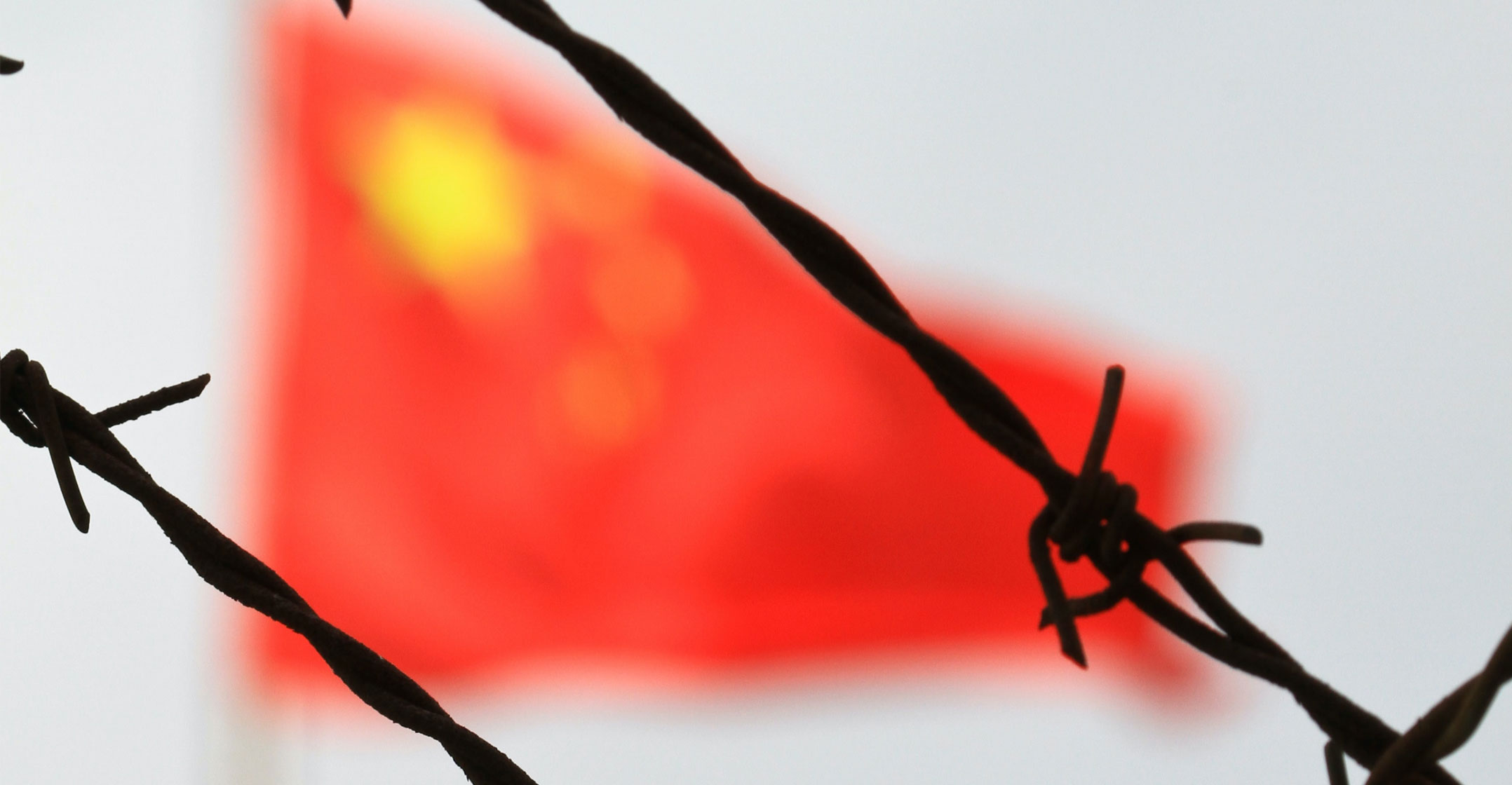
    Image: Macau Photo Agency

    4. Is there more coming?

    It seems so. Xi has declared he will go after “platform” companies that amass data and market power — a sweeping definition that includes just about all of China’s largest firms. His administration is particularly concerned about eradicating systemic risks — such as unsupervised growth of consumer debt — in part to ensure the Communist Party’s dominion. In addition:

    • The cyberspace watchdog quickly expanded its national security review beyond Didi to apps operated by Full Truck Alliance and recruitment firm Kanzhun, both of which had recently listed in New York.
    • In April, regulators told Tencent, Meituan and others including TikTok owner ByteDance, search leader Baidu and shopping portal JD.com to “heed Alibaba’s example” and curb anticompetitive practices such as exclusivity requirements.
    • Beijing may also seek greater oversight over mergers and acquisitions, since China’s Internet firms have over the years invested in hundreds of the country’s most influential up-and-comers in realms such as online healthcare and artificial intelligence. Regulators have begun issuing token fines for deals closed years ago, spurring fears of a bigger probe into M&A.
    • The government is said to have proposed a state-backed venture with the tech giants that would oversee the lucrative data they collect from hundreds of millions of consumers.

    5. Is this really so surprising?

    In some respects, it is. The government has played an important role in developing the tech sector in a way that facilitated the development of behemoths. China effectively created its own version of the Internet, one blocked off from the rest of the world by what’s known as the Great Firewall. In the absence of Facebook or Twitter, WeChat and Sina’s Weibo flourished as social networks. On the other hand, China has a tradition of cracking down in fits and starts, or making examples out of high-profile companies. For instance, Tencent became a target of a campaign to combat gaming addiction among children in 2018.
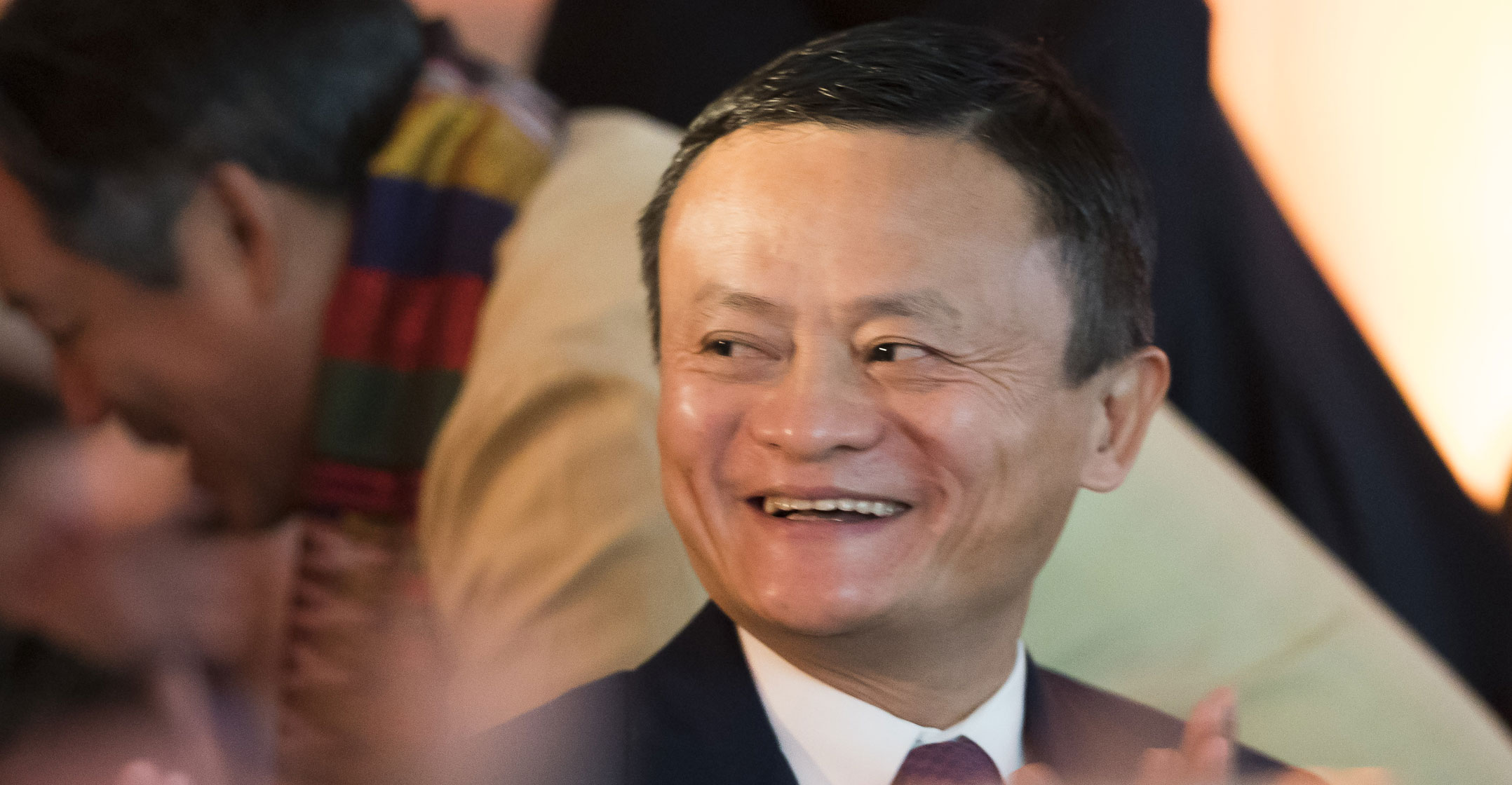
    Jack Ma. Image: World Economic Forum

    6. Will Ant or anyone else get broken up?

    Not Ant, it seems. It agreed with regulators on a restructuring plan that will turn it into a financial holding company, making it subject to capital requirements similar to those for banks. After the $2.8-billion fine, Alibaba executives said they were unaware of any other antitrust investigations. However, the government was said to want it to sell some media assets, including the South China Morning Post, because of concerns about the company’s influence over public opinion. Overall, authorities in Beijing are expected to tread cautiously, looking to rein in the growing clout of the tech giants without undermining some of the country’s biggest corporate success stories.

    7. Was Ma being singled out?

    The charismatic impresario behind two of the country’s largest corporations, Ant and Alibaba, is arguably the person most closely identified with the meteoric rise of China’s Internet sector. Long a regular on the global conference circuit, the flamboyant billionaire all but vanished from public view after Ant’s initial public offering got derailed and, according to a person familiar with the matter, was advised by the government to stay in the country. He resurfaced in mid-January, propelling Alibaba’s market value $58-billion higher. Tencent founder Pony Ma (no relation) — a delegate to the country’s top lawmaking body — has been far less vocal than his globe-trotting compatriot; in March he initiated a voluntary meeting with antitrust officials as part of their regular chats. Meituan CEO Wang Xing was warned to keep a low profile after posting a poem some interpreted as critical of the government. His appearance two weeks later at an official state celebration signalled he and his company may be back in favour in Beijing.  — (c) 2021 Bloomberg LP

    Follow TechCentral on Google News Add TechCentral as your preferred source on Google


    Alibaba Ant Group ByteDance Didi Didi Chuxing Didi Global Jack Ma JD.com Meituan Pony Ma Tencent TikTok top Xi Jinping
    WhatsApp YouTube
    Share. Facebook Twitter LinkedIn WhatsApp Telegram Email Copy Link
    Previous ArticleSuccess of new digital banking entrants is far from guaranteed
    Next Article Pentagon scraps $10-billion Microsoft cloud contract

    Related Posts

    China weighs blocking the West from its best AI

    China weighs blocking the West from its best AI

    21 July 2026
    Xi pitches China as the world's AI liberator - Chinese President Xi Jinping waves as he arrives at the opening ceremony of the World AI Conference in Shanghai. Ng Han Guan/Reuters

    Xi pitches China as the world’s AI liberator

    17 July 2026
    AI Barometer: the best AI for every job right now

    AI Barometer: the best AI for every job right now

    13 July 2026
    Company News
    Cloud adoption is done. Execution is the new frontier - Cloud on Demand

    Cloud adoption is done. Execution is the new frontier

    21 July 2026
    Data poisoning in AI models: what businesses need to know - Domains.co.za

    Data poisoning in AI models: what businesses need to know

    21 July 2026
    The AI-led industrial revolution has begun - CallMiner Bruce McMahon

    The AI-led industrial revolution has begun

    20 July 2026
    Opinion
    Selling vapour is corporate suicide in slow motion - Jannie van Zyl

    Selling vapour is corporate suicide in slow motion

    16 July 2026
    Brazil's online gambling crackdown is a lesson for South Africa

    How Amazon outmanoeuvred Starlink in South Africa

    15 July 2026
    The Popia problem with agentic AI - Herman Haasbroek

    The Popia problem with agentic AI

    14 July 2026

    Subscribe to Updates

    Get the best South African technology news and analysis delivered to your e-mail inbox every morning.

    Latest Posts
    Skills authority to probe MICT Seta leadership crisis - Buti Manamela

    Skills authority to probe MICT Seta leadership crisis

    21 July 2026
    Home affairs opens visa fast lane - with tech talent a top priority

    Home affairs opens visa fast lane – with tech talent a top priority

    21 July 2026
    Mastercard bets billions on the tech that could eat its lunch - Prakriti Singh

    Mastercard bets billions on the tech that could eat its lunch

    21 July 2026
    From care homes to production lines, the robots are coming

    From care homes to production lines, the robots are coming

    21 July 2026
    © 2009 - 2026 NewsCentral Media
    Built and maintained by Chronon
    • Cookie policy (ZA)
    • TechCentral – privacy and Popia

    Type above and press Enter to search. Press Esc to cancel.

    Manage consent

    TechCentral uses cookies to enhance its offerings. Consenting to these technologies allows us to serve you better. Not consenting or withdrawing consent may adversely affect certain features and functions of the website.

    Functional Always active
    The technical storage or access is strictly necessary for the legitimate purpose of enabling the use of a specific service explicitly requested by the subscriber or user, or for the sole purpose of carrying out the transmission of a communication over an electronic communications network.
    Preferences
    The technical storage or access is necessary for the legitimate purpose of storing preferences that are not requested by the subscriber or user.
    Statistics
    The technical storage or access that is used exclusively for statistical purposes. The technical storage or access that is used exclusively for anonymous statistical purposes. Without a subpoena, voluntary compliance on the part of your Internet Service Provider, or additional records from a third party, information stored or retrieved for this purpose alone cannot usually be used to identify you.
    Marketing
    The technical storage or access is required to create user profiles to send advertising, or to track the user on a website or across several websites for similar marketing purposes.
    • Manage options
    • Manage services
    • Manage {vendor_count} vendors
    • Read more about these purposes
    View preferences
    • {title}
    • {title}
    • {title}