
The Competition and Markets Authority (CMA) — the UK equivalent of South Africa’s Competition Commission — has launched a formal investigation into Adobe over concerns that early cancellation fees on its subscription plans may breach consumer protection law.
The investigation will examine whether terms attached to Adobe’s “annual billed monthly” plan — where customers commit to a yearly contract but pay on a monthly basis — are unfair and whether the company gives buyers clear enough information upfront about early termination charges. Customers who cancel more than 14 days after signing up must pay 50% of the remaining yearly cost.
Adobe’s products, including Photoshop, Illustrator and Premiere Pro, are widely used by consumers and professionals to create and edit photographs, videos and other digital content.
Emma Cochrane, the CMA’s executive director for consumer protection, said in a statement: “From students to content creators, millions of people rely on digital design tools — and they should feel confident that businesses selling these services play by the rules.”
The CMA stressed it has reached no conclusions about whether Adobe has broken the law.
The UK probe comes at a particularly awkward time for Adobe. Last week, the company agreed to a US$150-million settlement with the US department of justice over substantially the same issue — allegations that it buried hefty termination fees in fine print and made it unnecessarily difficult for subscribers to cancel.
Fine print
Of that total, $75-million will go to the DoJ as a civil penalty, with a further $75-million to be provided in free services to affected customers. The lawsuit, filed in June 2024 by the DoJ and the Federal Trade Commission, accused Adobe of using inconspicuous hyperlinks and fine print to obscure key subscription terms, including the early termination fee.
According to reports, an Adobe executive once described the early termination fee as being akin to a drug the company had come to rely on as a revenue source.
Read: Adobe CEO to exit role amid AI disruption
Adobe denied wrongdoing in agreeing to the US settlement. In a statement on its website, the company said it was “committed to delivering the best products alongside flexible offerings that meet the diverse needs of our customers”.
Under the terms of the US settlement, Adobe will be required to disclose early termination fees more clearly at sign-up and must notify customers before converting free trials into paid subscriptions that carry such fees. The settlement still requires court approval.
Subscriptions accounted for 97% of Adobe’s $6.4-billion in revenue for the quarter ended 27 February, underscoring the centrality of the subscription model to the company’s financial performance.
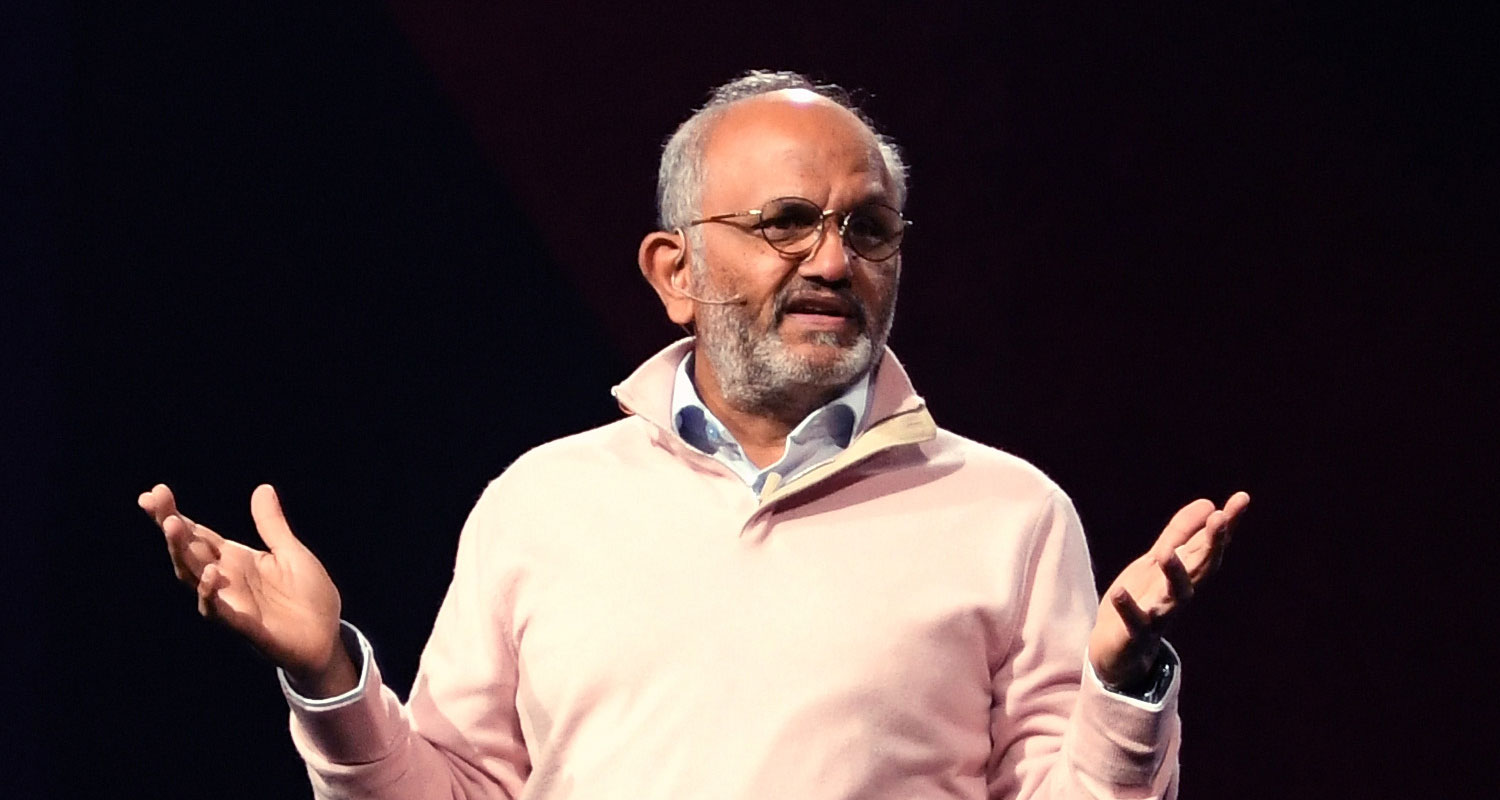
The regulatory pressure comes as Adobe navigates a leadership transition. CEO Shantanu Narayen, who has led the company since 2007, announced on 12 March that he will step down once a successor has been appointed, remaining as board chair. The departure comes amid deep investor scepticism about Adobe’s ability to thrive in an era of generative AI. Adobe’s shares have fallen 23% this year.
The Adobe probe is the ninth business the CMA has investigated under its direct consumer enforcement powers, granted by the Digital Markets, Competition and Consumers Act 2024. These powers, which came into force in April 2025, allow the CMA for the first time to determine whether consumer protection laws have been breached without having to litigate through the courts.
The stakes are significant. Under the legislation, the CMA can fine companies up to 10% of their global turnover for consumer law infringements. Failure to comply with information notices or the provision of false or misleading information can attract further penalties of up to 1% of turnover, plus daily fines for continued non-compliance.
The investigation may result in a finding of unlawful conduct and the imposition of remedies, or it could be closed without action.
It is not the first time Adobe has found itself in the CMA’s crosshairs. In late 2023, the regulator’s opposition — alongside scrutiny from EU and US authorities — contributed to the collapse of Adobe’s $20-billion bid to acquire design software rival Figma, resulting in a $1-billion break-up fee. — (c) 2026 NewsCentral Media
Get breaking news from TechCentral on WhatsApp. Sign up here.