 Artificial intelligence has moved from hype to hard reality. For business leaders, the question is no longer if AI will reshape work, but how quickly – and with what consequences. Nowhere is this more visible than in talent management, where the pressure to find, grow and retain the right skills is colliding with the disruptive force of machine intelligence.
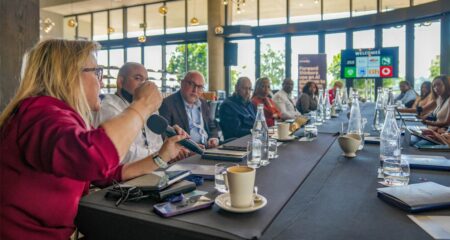
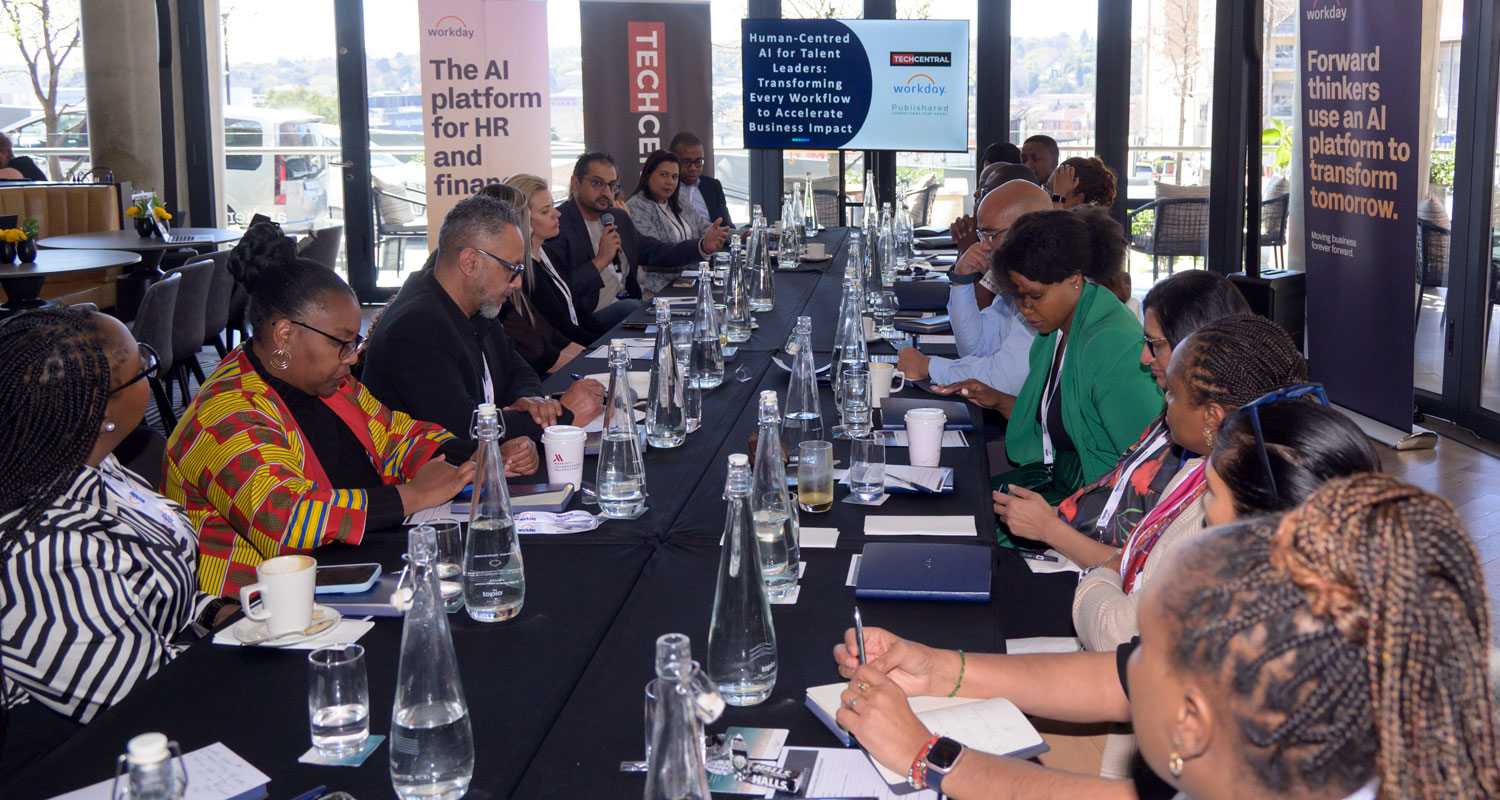
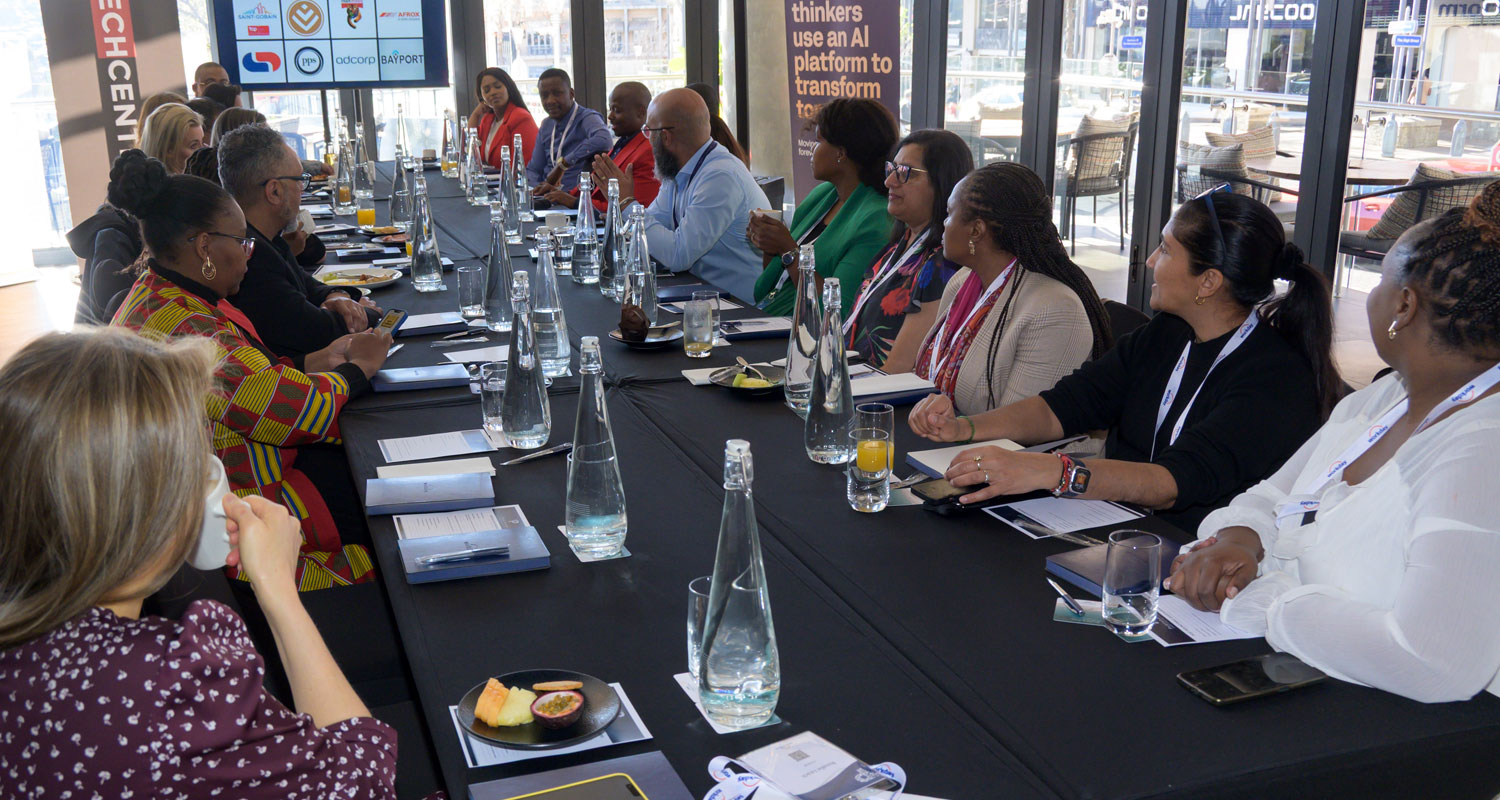
At a recent gathering of senior HR leaders across banking, manufacturing, professional services and healthcare, one message came through clearly: the organisations that thrive will be those that lead with a human-centred model, enabled by AI. The shift is no longer abstract. It is happening in boardrooms and breakrooms right now.
From slogans to mechanics
The debate has moved beyond buzzwords. Leaders are asking hard questions about how to build skills-first workforces where roles matter less than capabilities, and data – not assumption—determines decisions. The group unpacked practical levers such as incentivising managers to release talent into new opportunities, treating internal mobility as a core business strategy, and reframing performance culture around AI-enabled nudges and transparent cadences that free up time for coaching and better decision-making.
This is not about replacing human judgement, but about using AI to amplify impact – ensuring that data serves leaders, rather than distracting them.
Rethinking capacity: beyond “buy, borrow, build”
The conversation also extended the classic workforce strategies of buy, borrow, boost and build. Leaders are now adding a fifth “B” – the bot option, where automation and AI extend workforce capacity. Here, the decision currency is shifting to metrics that truly matter: hiring velocity in critical roles, skills-gap closure and regrettable attrition in pivotal teams.
At the same time, leaders acknowledged the non-negotiables of the AI era, including data governance, explainability and bias testing. Without trust, even the smartest system fails.
 Workday’s role in the bigger picture
What emerged from the discussion was not a technology demo, but a recognition of the need for connective tissue across the HR ecosystem. Workday was positioned as exactly that: a trusted system of record and engagement where skills are visible, careers are dynamic and performance management becomes sustainable. In this model, AI acts as the synapses across people data, workflows and decisions – allowing leaders to see across silos and act with confidence.
It’s not about features; it’s about enabling leaders to translate insight into action and ambition into operating value.
The bottom line
The talent pipeline is now “always-on”. Organisations that connect skills intelligence, internal mobility, continuous performance and actionable analytics on a trusted platform will compound advantage fastest. AI is no longer a tool to be bolted on; it is becoming the operating fabric of talent value.
For executives, the imperative is clear: build a human-centred model where AI enables – not overshadows – judgment. Those who do will not just survive the disruption; they will set the pace for the future of work.
- Read more articles by Workday on TechCentral
- This promoted content was paid for by the party concerned
Don’t miss:
Automation to agentic AI: the future of work is people plus machines