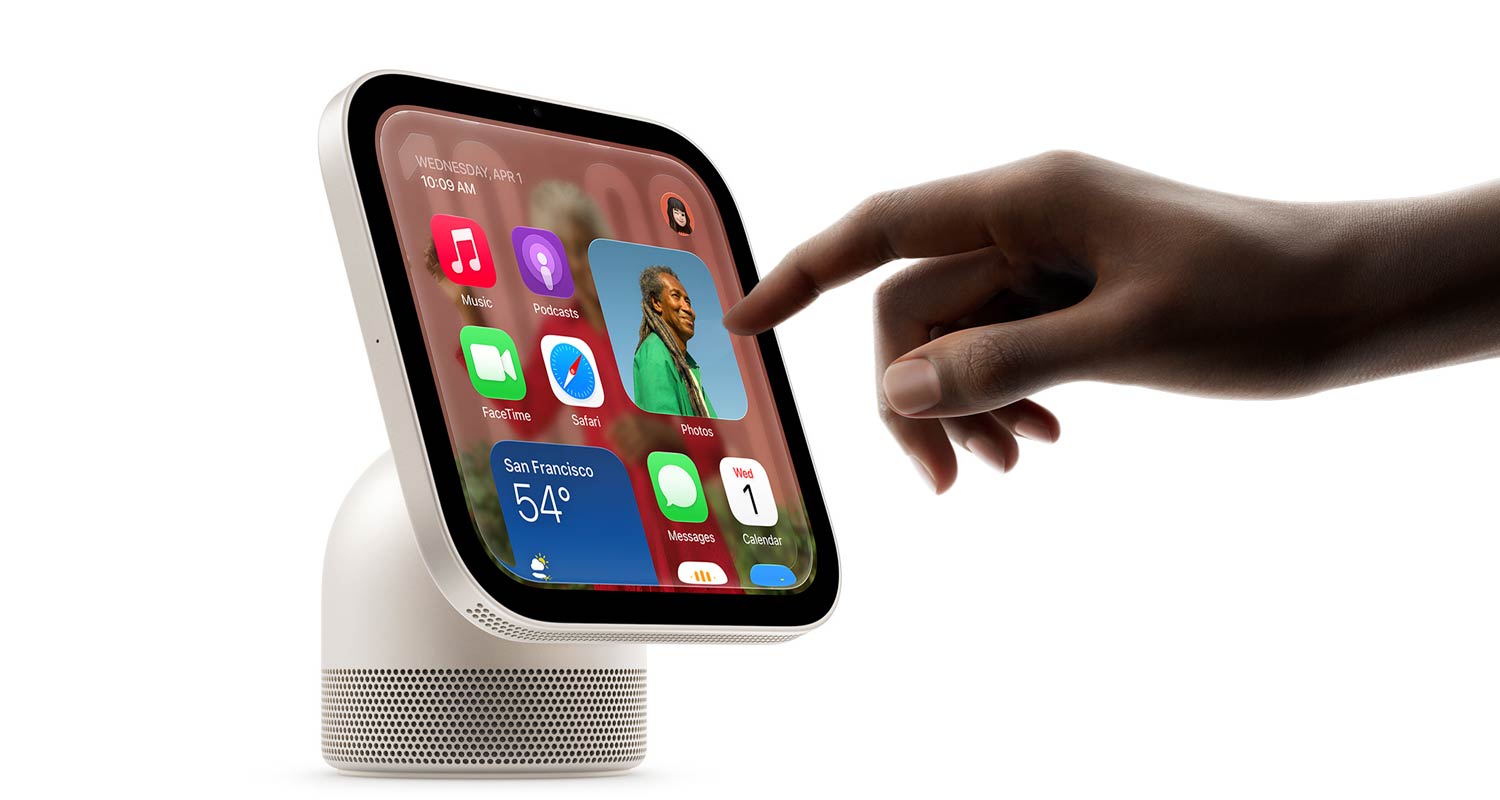
Apple on Tuesday began showing off a new round of smart-home products, including an iPad-like device called the HomeView, which is meant to hang on walls or sit on tabletops and will showcase its Siri virtual assistant, upgraded with AI.
The HomeView, which costs from US$299 and ships next month, is Apple’s latest entry into a highly competitive market for connected-home devices. It will have a 7-inch screen and face recognition and will help users control doorbells, thermostats and smart locks – a market in which Apple has tinkered for a decade without major success.
Apple is launching the products as it tries to fend off rivals, including traditional competitors such as Amazon, which has invested heavily in its Echo speakers and Ring doorbells and last week launched premium tablets, as well as newer AI upstarts such as OpenAI that have hardware ambitions of their own.
Investors are looking more closely at Apple’s hardware sales for growth as the company’s services revenue has come under regulatory pressure.
Apple upgraded Siri’s capabilities this year with assistance from Google, but analysts said it is unclear whether its AI assistant is competitive enough to lure consumers to a crowded market for connected-home devices.
“Apple needs to demonstrate that its AI capabilities can deliver meaningful benefits beyond basic voice commands, simplifying everyday tasks and bringing greater intelligence to the home,” said PP Foresight analyst Paolo Pescatore.
“The opportunity is considerable, given its vast installed base, but reliability, trust and ease of use will ultimately determine whether consumers embrace these features,” he added. “AI alone will not be enough to convince households to invest in more devices.”
The launches also coincide with growing worries that connected devices, including refrigerators and smart TVs, could be vulnerable to hackers.
Partners and pricing
Apple’s HomeView launch was accompanied by updates to its HomePod smart speaker and Apple TV devices. It also introduced a range of accessories, including doorbells, cameras and thermostats, made by LG and Schneider Electric and designed with help from Apple.
“It is interesting to see Apple partnering with LG and Schneider, as it typically likes to have full control of the hardware it sells,” said Ben Wood, co-founder of CCS Insight. “However, looking closely, it appears like there has been very deep collaboration between Apple and these partners to ensure the design, engineering and experience closely match what users would expect from Apple.”
In a video demonstrating the device, Apple showed the HomeView and Siri juggling voice requests from several members of a family at the same time.
The HomeView will not be sold in the EU because Siri AI is still unavailable there under EU regulations, Apple said. Siri AI is available in South Africa, which was on Apple’s initial launch list.
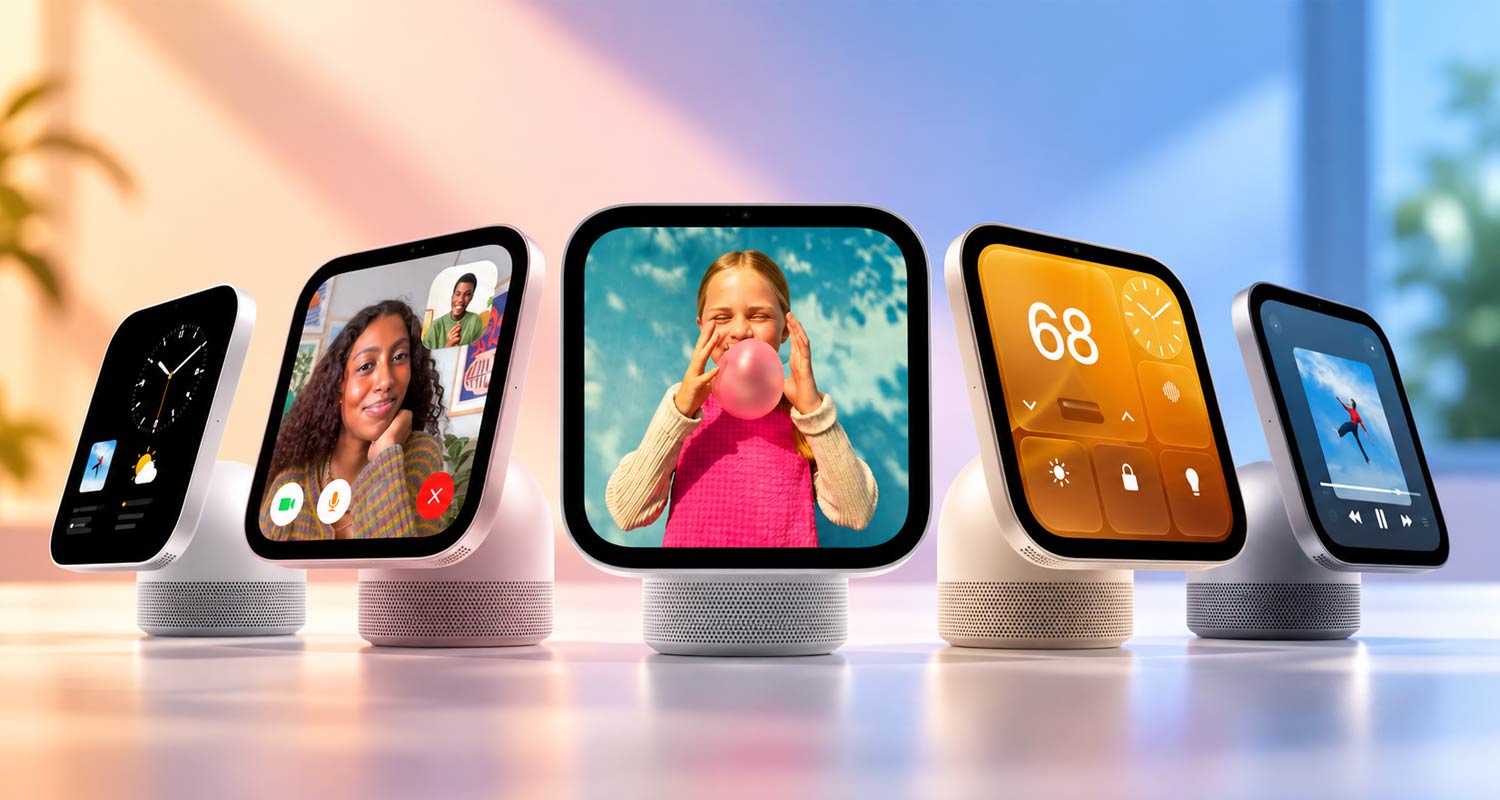
Apple released its Home app to control smart gadgets in 2016, followed by HomePod smart speakers in 2018, but those products compete with Google’s Home speakers and Amazon’s Echo line. Analysts said Apple’s two big hurdles were making its devices work with a variety of third-party gadgets and Siri’s limited ability to give useful answers.
Apple’s $299 price for the HomeView is above Amazon’s Echo Show 8, at $199.99, and Google’s Nest Hub, at $99.99.
The new Apple TV 4K costs $299, more than double the price of its predecessor and in line with Nvidia’s Shield TV Pro, while rival products from Amazon, Google and Roku cost $200 or less. — © 2026 Reuters, with additional reporting (c) 2026 NewsCentral Media