


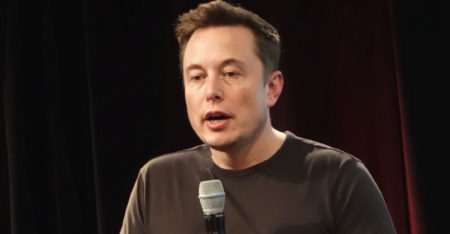
It is nearly impossible to imagine Tesla without Elon Musk – its chairman, CEO, largest shareholder and public face. But the SEC’s lawsuit on Thursday has raised questions about the executive’s future.
It is nearly impossible to imagine Tesla without Elon Musk – its chairman, CEO, largest shareholder and public face. But the SEC’s lawsuit on Thursday has raised questions about the executive’s future.
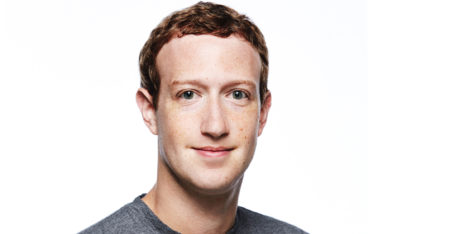
An indie Taiwanese hacker has proclaimed he’ll broadcast an attempt to wipe out Mark Zuckerberg’s Facebook page this Sunday – live.
Elon Musk is in jeopardy of losing control over the electric car company he founded, with the Securities and Exchange Commission suing the billionaire for his explosive August tweet about taking Tesla private.
The rand is undervalued and there’s scope for the currency to strengthen to as much as R11/US$, said Colin Coleman, head of sub-Saharan Africa at Goldman Sachs Group.
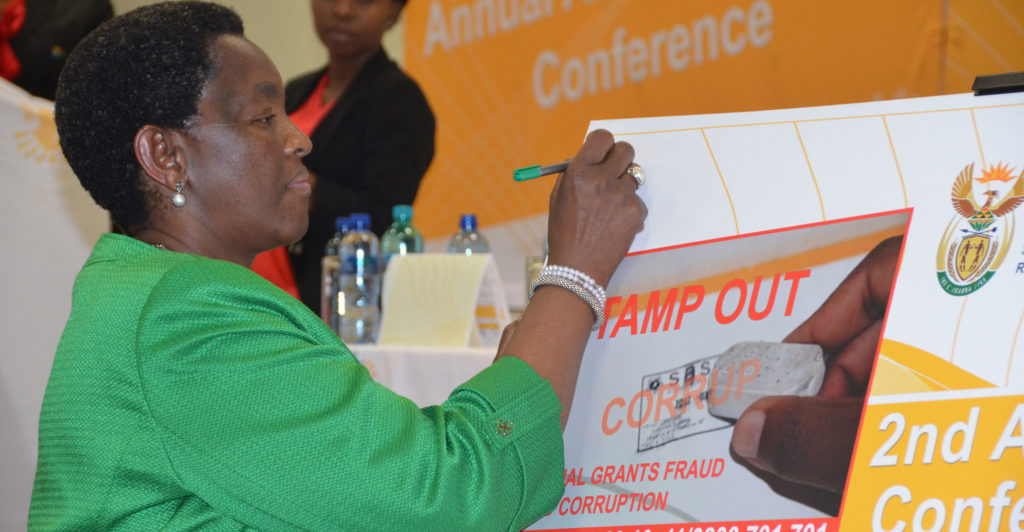
South Africa’s top court ordered former social development minister Bathabile Dlamini to pay a portion of the costs related to legal processes stemming from a dispute over the country’s welfare-grants system.
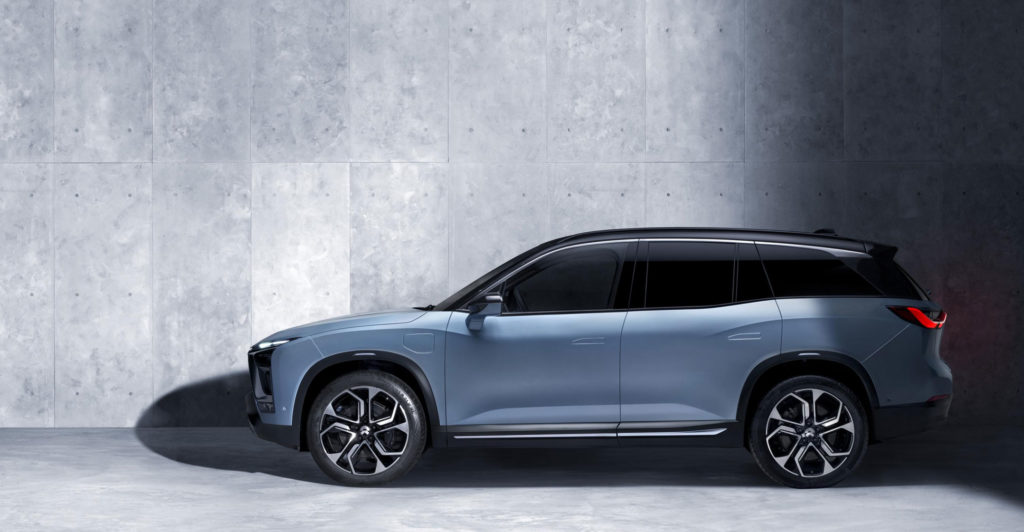
At this year’s Beijing Auto Show, a retired Chinese bureaucrat bent down to run his hands over the hood of a sleek sports coupe billed as the world’s fastest battery-powered car, and he smiled like a proud father.
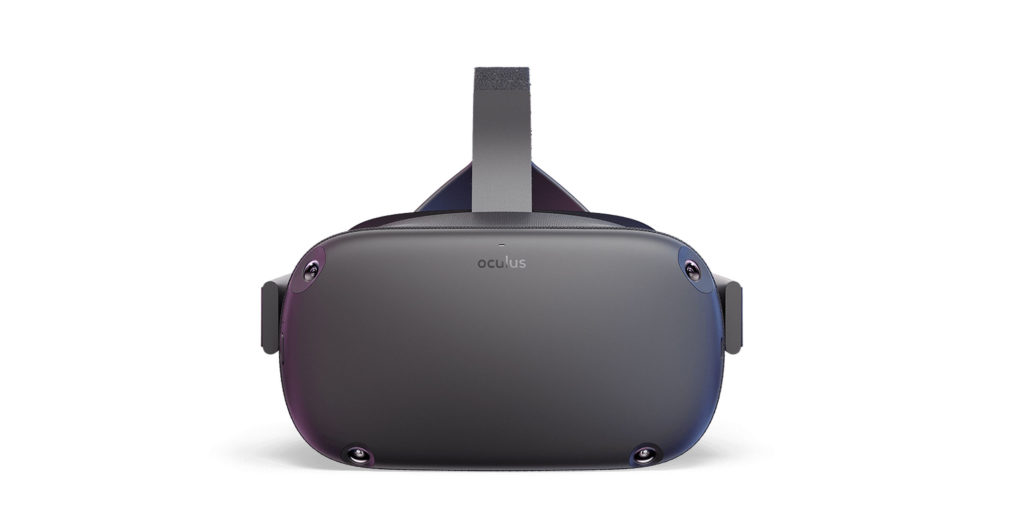
Facebook has unveiled a wireless virtual-reality headset called Oculus Quest, an attempt to help popularise the developing technology with a more mainstream audience.

The board of Transnet said it plans to dismiss CEO Siyabonga Gama after losing confidence in his ability to lead South Africa’s state-owned ports and rail company.
What was the world’s worst technology stock only months ago has become China’s hottest, staging a defiant comeback since it was booted off Hong Kong’s benchmark gauge.
After coming out all guns blazing, Nigeria’s central bank has surrendered more ground in its tussle with MTN Group by giving a reprieve to one of the banks accused of illegally moving $8.1-billion out of the country.