Eighteen months ago, one of South Africa’s largest retailers wasn’t worried about AI. Onboarding worked. Compliance checks passed audits. Fraud was a known, managed cost of doing business. Then a syndicate found them.
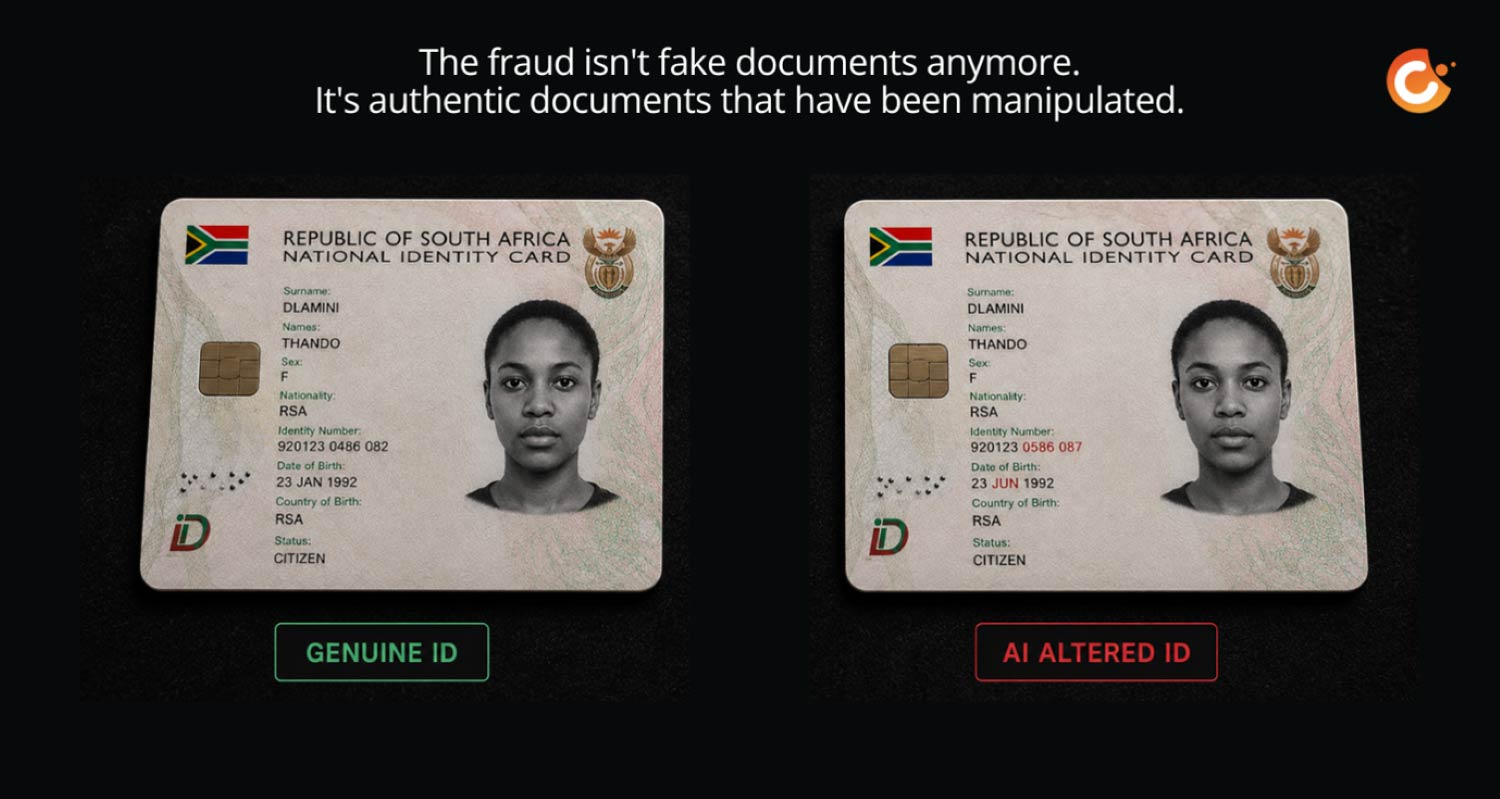
The attack looked ordinary. Customers submitted genuine South African ID documents. Except they weren’t genuine anymore. Using AI, fraudsters had altered key information directly onto photographs of legitimate IDs, creating documents that appeared authentic to both people and systems.
We searched globally for technology that could reliably detect it. Nothing could.
The most concerning part was realising this wasn’t a new fraud tactic. It was evidence that an assumption underpinning the entire industry had just broken.
For decades, fraud prevention has been built around signals: a photo, a document, a face, a fingerprint, a liveness check. The assumption was simple: if the signal was strong enough, eventually we’d be able to trust it – and importantly, spot it.
AI changed the economics of fraud
Capabilities that once required specialist knowledge are now available to almost anyone willing to use the tools. Attacks that previously took days or weeks of work can now be produced in minutes.
Every era of fraud defence has worked until the effort required to defeat it collapsed. AI has collapsed that effort again. The result is that trust can no longer be anchored to a single signal.
Many organisations are still approaching fraud prevention as though the next technology breakthrough will solve the problem. It won’t.
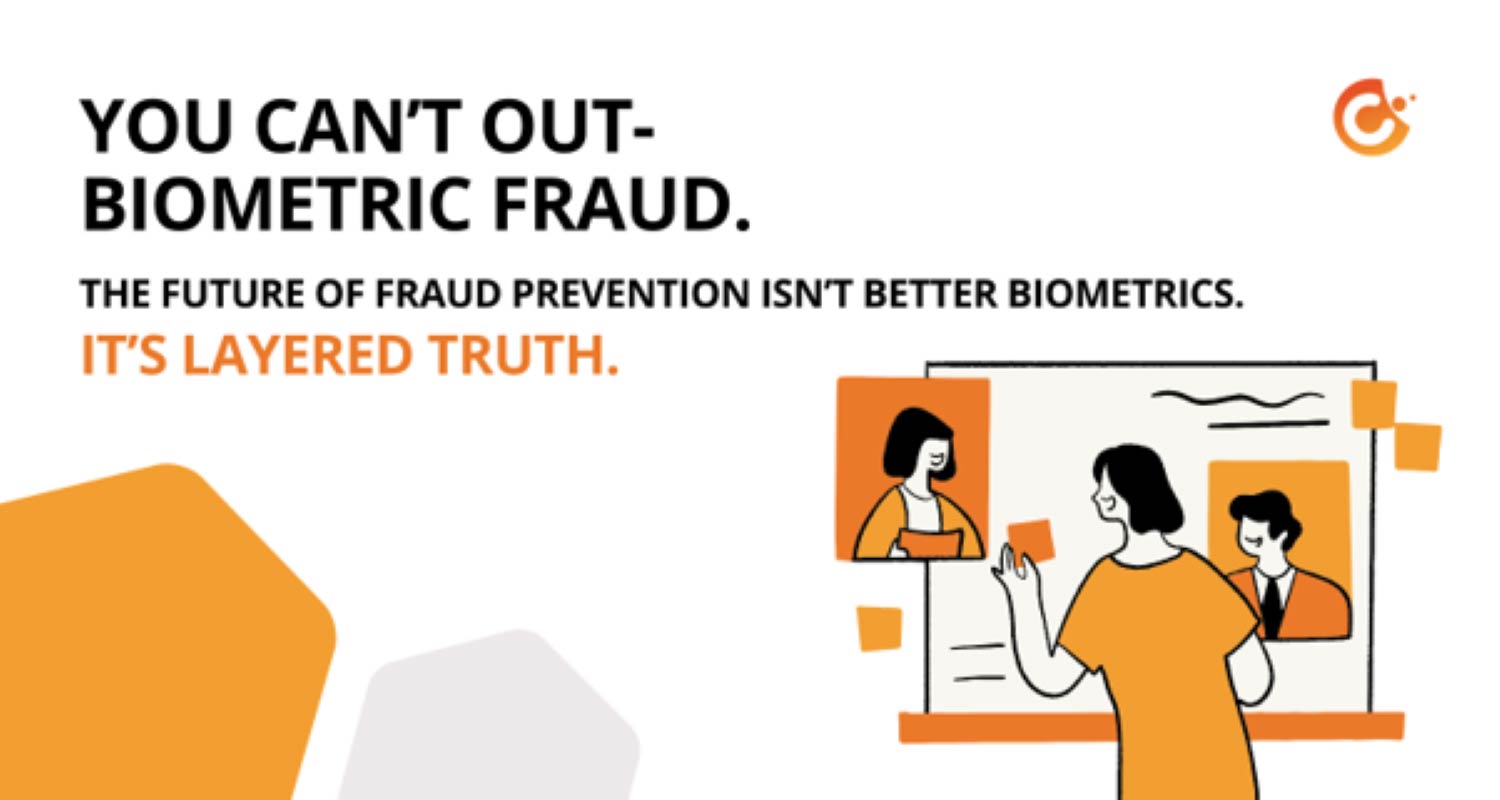
“You can’t out-biometric fraud. And I say that as someone who deploys biometrics at scale.” – Jason Shedden, COO, Contactable
Don’t get me wrong, biometrics remain valuable – but they’re no longer enough. In many ways, biometrics are becoming what passwords became: necessary, useful but insufficient on their own.
The organisations that win will be the ones that combine identity, behaviour, context and risk into a single view of trust.
When we began building our own AI document detection capability, I assumed the answer would be one breakthrough algorithm. I, too, was wrong.
We tested every mathematical approach we could think of. Individually, none of them consistently worked. One model would classify a document as legitimate. Another would flag it as fraudulent. A third would sit somewhere in between.
The answer only emerged when we combined dozens and dozens of independent checks and signals. That experience reinforced a lesson I keep coming back to:
“Fraud isn’t defeated by finding a stronger signal. It’s defeated by combining enough independent truths that deception has nowhere left to hide.” – Jason Shedden, COO, Contactable
Trust is a context problem
A retailer opening digital wallets, a credit provider delivering goods within 24 hours or an asset manager validating death certificates face entirely different threats. So, we can never make the mistake of seeing fraud through one lens. If you do, you’ll come up short very quickly.
That’s why the first question should never be, “Which technology should we deploy?” It should be, “What risk are we actually trying to solve for?”
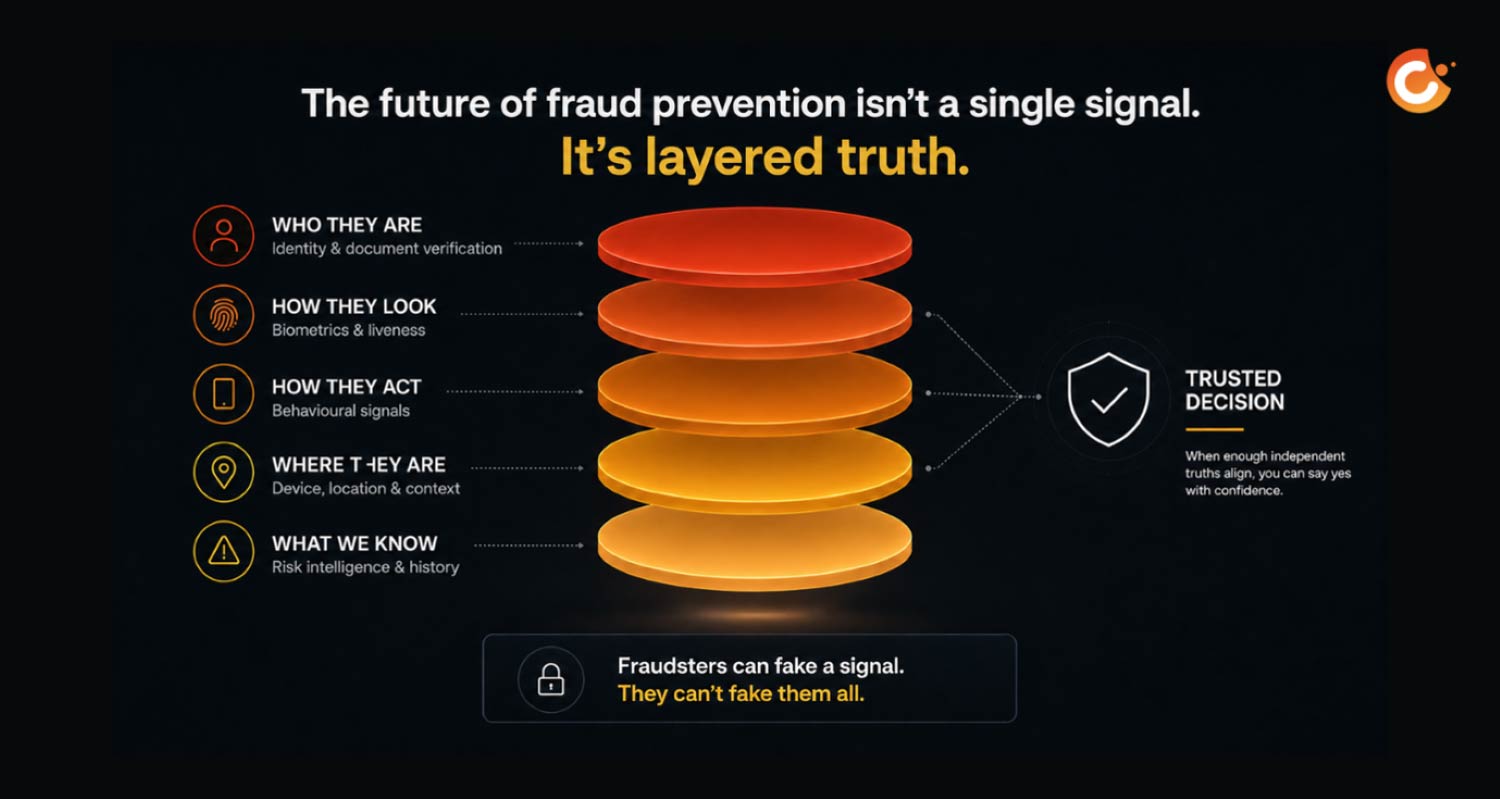
The playbook is simple:
Understand the asset → Understand the threat → Layer the right truths → Apply the right controls
For years, the question was whether someone could tell the difference between a real customer and a fraudulent one. AI has made that the wrong question. The better question is: when every individual signal can be manipulated, what combination of truths does your business trust enough to say yes?
This article was previously featured on the Contactable website.
About Contactable
Contactable is Africa’s leading integrated identity platform, helping enterprises turn trust into a growth advantage. Through a single integration, we unify identity, compliance and workflow across the customer journey – reducing complexity, strengthening assurance and enabling seamless digital experiences at scale. Connect on LinkedIn or Facebook.
- The author, Jason Shedden, is chief operating officer at Contactable
- Read more articles by Contactable on TechCentral
- This promoted content was paid for by the party concerned