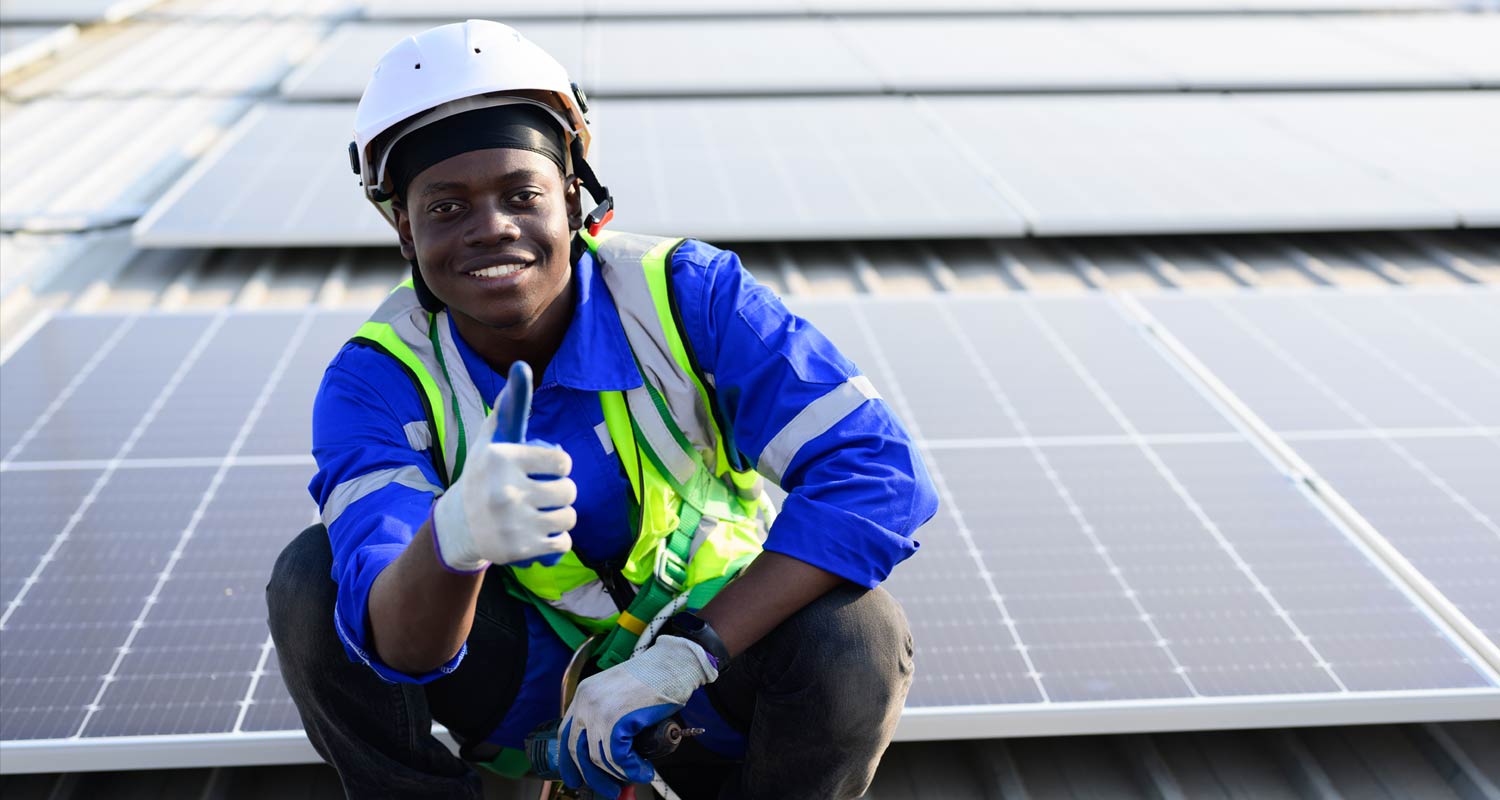
Eskom has extended its waiver of registration-related charges for small rooftop solar systems until further notice, removing a 30 September deadline. But the utility insists registration remains compulsory, and the Organisation Undoing Tax Abuse (Outa) says it has yet to hear a convincing reason why.
In a statement on Wednesday, Eskom said the waiver would be extended “beyond 30 September 2026 for eligible customer-owned generation systems of up to 50kVA connected directly to its distribution network”.
Eskom has said it has not charged registration fees or the cost of a bidirectional smart meter for households with installations of up to 50kVA since March 2023. It kept the exemption when it simplified its small-scale embedded generation (SSEG) compliance rules from 1 October 2025, and in March extended it again, from 31 March to 30 September. At the time, it said the waiver covered all registration and connection fees, including a free smart meter – worth up to R10 000 for urban and residential customers and R36 000 for rural ones.
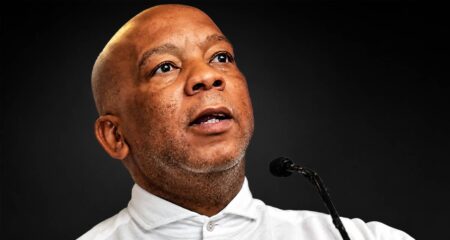
“This is good progress, and we appreciate that Eskom has listened to the concerns raised by Outa and the public,” Outa CEO Wayne Duvenage said in a statement on Thursday. Outa has challenged Eskom’s compliance requirements since at least August 2025.
“People have spent significant amounts of their own money installing solar because electricity has become increasingly expensive and, for many years, unreliable. They should not then be penalised with unnecessary fees and administrative hurdles for reducing their dependence on the grid.”
Eskom said the extension “does not change the underlying regulatory requirement for qualifying grid-connected generation facilities to be registered”, a requirement it said is “established in the Electricity Regulation Act of 2006, read with the applicable exemption and registration notice”. It set no new compliance deadline.
Must be registered
Citing energy regulator Nersa, Eskom said the requirement is based on “an installation having a point of connection to the electricity grid and its installed capacity, and not by electricity being exported to the grid or consumed entirely on site” – the crux of Outa’s objection. Systems of 100kW or less must be registered with Eskom or the relevant municipality and larger ones with Nersa, while those with no grid connection are exempt.
Registration, Eskom said, gives distributors “installation-specific information needed for network planning, voltage management, equipment protection, fault analysis and the safety of employees and contractors working on the network”. It said Nersa “has clarified that registration does not duplicate the electrical safety certification process”.
Eskom also cited its own review of 20 international electricity markets, which found that notification, registration or approval of customer-owned generation is commonly required, as well as a March statement by the South African Photovoltaic Industry Association that it said backed registration on grounds of worker safety and grid stability.
“Registration is a standard feature of modern electricity systems as countries integrate increasing levels of customer-owned generation into their networks,” said Junaid Munshi, Eskom group executive for distribution. He said the process lays “the foundation for bidirectional smart metering, appropriate tariffs and credits and future flexibility services”.
Eskom said its “immediate priority remains education, assistance and supported regularisation”.
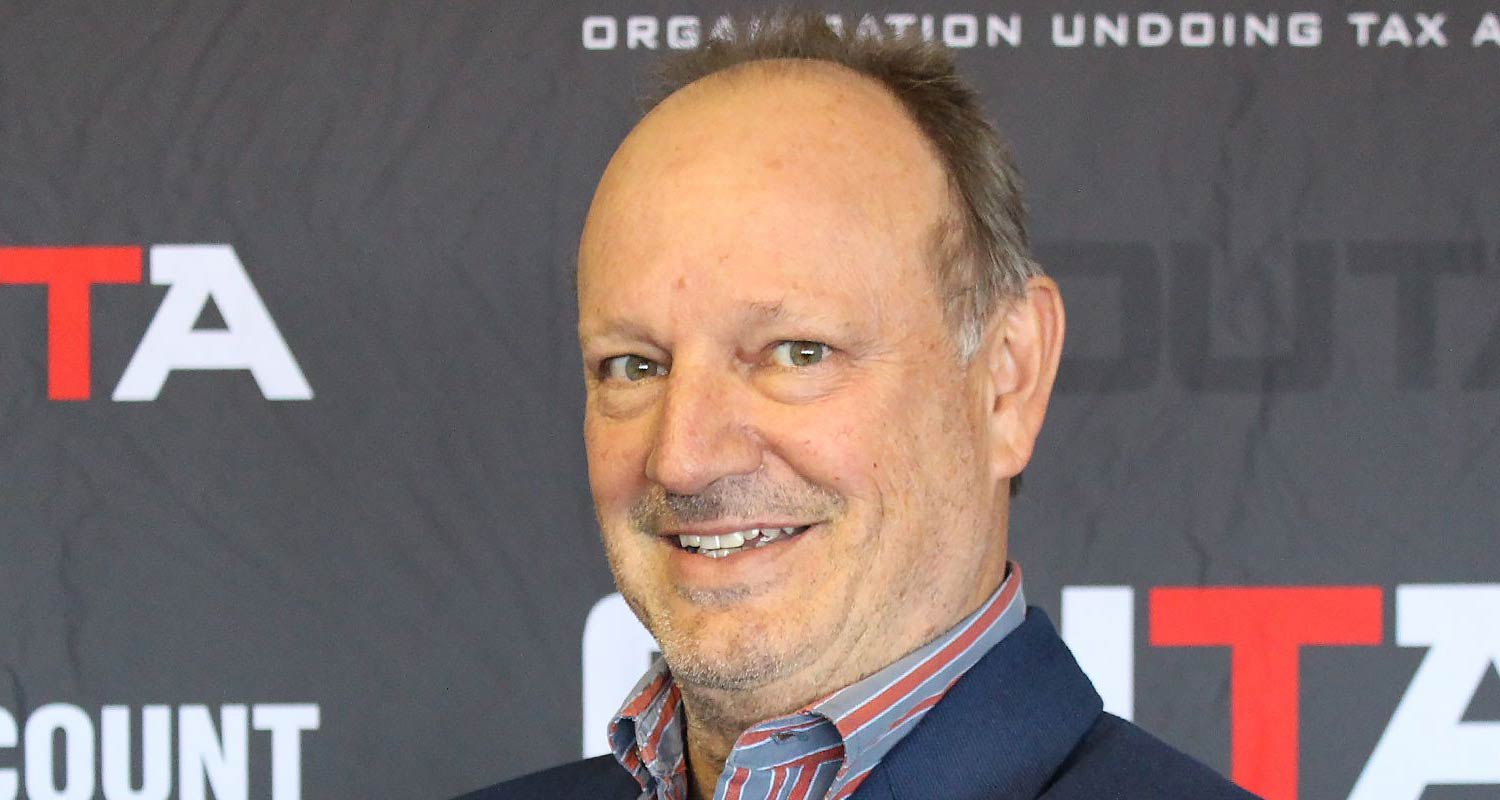
Duvenage was not persuaded. “The various fees and meter upgrade costs may have been taken off the table for now, but the bigger question remains: why should a household be compelled to register a safe, compliant solar system that sits behind its meter and does not feed electricity back into Eskom’s network?
“If Eskom believes compulsory registration of a SSEG system behind the meter is necessary, it should clearly explain the legal basis for that requirement and what practical problem registration solves. Consumers deserve more than an instruction. They deserve a rational explanation.”
For non-exporting systems certified by a qualified, registered electrician, Outa maintains that a valid certificate of compliance is the right safety mechanism. It added that Eskom’s own workers must apply safety and isolation procedures before working on the network, whether or not a household has solar.
Outa also questioned the argument that registration is needed so Eskom can gauge how much rooftop solar exists. Eskom and the wider sector already produce estimates of installed capacity, it said, even though Eskom acknowledges that only a portion of systems have been registered.
Outa accepts that customers who export power need prior approval, a connection agreement and bidirectional metering. “But once you start feeding electricity back into the grid, the equation changes,” said Duvenage. “There are legitimate technical, metering, tariff and rebate considerations, and it is reasonable for Eskom to regulate that interaction with its network.”
Softened its stance
In January, Outa warned homeowners against rushing to register after “threatening communications” from Eskom and some municipalities, including Johannesburg. Eskom has since softened its stance: Outa said on 10 September that Eskom had confirmed in meetings that it “will not simply disconnect or fine customers”.
The waiver covers only customers supplied directly by Eskom, and Outa has cautioned that municipal by-laws may impose separate requirements. It advised households that choose to register to first understand the full implications, including possible costs, tariff changes and deposit requirements. — © 2026 NewsCentral Media