Close Menu
TechCentralTechCentral

    Subscribe to the newsletter

    Get the best South African technology news and analysis delivered to your e-mail inbox every morning.

    Facebook X (Twitter) YouTube LinkedIn
    WhatsApp Facebook X (Twitter) LinkedIn YouTube
    TechCentralTechCentral
    • News
      Altron jumps after company flags strong earnings growth

      Altron jumps after company flags strong earnings growth

      12 February 2026
      Toyota SA CEO: NEV inaction will cost South Africa its motoring industry - Andrew Kirby

      Toyota SA CEO: NEV inaction will cost South Africa its motoring industry

      12 February 2026
      Censorship-resistant internet from space - Spacecoin

      Censorship-resistant internet from space

      12 February 2026
      Chip shortage hits PCs as AI swallows the world's memory supply

      Chip shortage hits PCs as AI swallows the world’s memory supply

      12 February 2026
      Here comes the next wave of Chinese AI models

      Here comes the next wave of Chinese AI models

      12 February 2026
    • World
      Russia bans WhatsApp

      Russia bans WhatsApp

      12 February 2026
      EU regulators take aim at WhatsApp

      EU regulators take aim at WhatsApp

      9 February 2026
      Musk hits brakes on Mars mission

      Musk hits brakes on Mars mission

      9 February 2026
      Crypto firm accidentally sends R700-billion in bitcoin to its users

      Crypto firm accidentally sends R700-billion in bitcoin to its users

      8 February 2026
      AI won't replace software, says Nvidia CEO amid market rout - Jensen Huang

      AI won’t replace software, says Nvidia CEO amid market rout

      4 February 2026
    • In-depth
      How liberalisation is rewiring South Africa's power sector

      How liberalisation is rewiring South Africa’s power sector

      21 January 2026
      The top-performing South African tech shares of 2025

      The top-performing South African tech shares of 2025

      12 January 2026
      Digital authoritarianism grows as African states normalise internet blackouts

      Digital authoritarianism grows as African states normalise internet blackouts

      19 December 2025
      TechCentral's South African Newsmakers of 2025

      TechCentral’s South African Newsmakers of 2025

      18 December 2025
      Black Friday goes digital in South Africa as online spending surges to record high

      Black Friday goes digital in South Africa as online spending surges to record high

      4 December 2025
    • TCS
      Watts & Wheels S1E4: 'We drive an electric Uber'

      Watts & Wheels S1E4: ‘We drive an electric Uber’

      10 February 2026
      TCS+ | How Cloud On Demand is helping SA businesses succeed in the cloud - Xhenia Rhode, Dion Kalicharan

      TCS+ | Cloud On Demand and Consnet: inside a real-world AWS partner success story

      30 January 2026
      Watts & Wheels S1E4: 'We drive an electric Uber'

      Watts & Wheels S1E3: ‘BYD’s Corolla Cross challenger’

      30 January 2026
      Watts & Wheels S1E4: 'We drive an electric Uber'

      Watts & Wheels S1E2: ‘China attacks, BMW digs in, Toyota’s sublime supercar’

      23 January 2026

      TCS+ | Why cybersecurity is becoming a competitive advantage for SA businesses

      20 January 2026
    • Opinion
      South Africa's skills advantage is being overlooked at home - Richard Firth

      South Africa’s skills advantage is being overlooked at home

      29 January 2026
      Why Elon Musk's Starlink is a 'hard no' for me - Songezo Zibi

      Why Elon Musk’s Starlink is a ‘hard no’ for me

      26 January 2026
      South Africa's new fibre broadband battle - Duncan McLeod

      South Africa’s new fibre broadband battle

      20 January 2026
      AI moves from pilots to production in South African companies - Nazia Pillay SAP

      AI moves from pilots to production in South African companies

      20 January 2026
      South Africa's new fibre broadband battle - Duncan McLeod

      ANC’s attack on Solly Malatsi shows how BEE dogma trumps economic reality

      14 December 2025
    • Company Hubs
      • Africa Data Centres
      • AfriGIS
      • Altron Digital Business
      • Altron Document Solutions
      • Altron Group
      • Arctic Wolf
      • AvertITD
      • Braintree
      • CallMiner
      • CambriLearn
      • CYBER1 Solutions
      • Digicloud Africa
      • Digimune
      • Domains.co.za
      • ESET
      • Euphoria Telecom
      • Incredible Business
      • iONLINE
      • IQbusiness
      • Iris Network Systems
      • LSD Open
      • Mitel
      • NEC XON
      • Netstar
      • Network Platforms
      • Next DLP
      • Ovations
      • Paracon
      • Paratus
      • Q-KON
      • SevenC
      • SkyWire
      • Solid8 Technologies
      • Telit Cinterion
      • Tenable
      • Vertiv
      • Videri Digital
      • Vodacom Business
      • Wipro
      • Workday
      • XLink
    • Sections
      • AI and machine learning
      • Banking
      • Broadcasting and Media
      • Cloud services
      • Contact centres and CX
      • Cryptocurrencies
      • Education and skills
      • Electronics and hardware
      • Energy and sustainability
      • Enterprise software
      • Financial services
      • Information security
      • Internet and connectivity
      • Internet of Things
      • Investment
      • IT services
      • Lifestyle
      • Motoring
      • Public sector
      • Retail and e-commerce
      • Satellite communications
      • Science
      • SMEs and start-ups
      • Social media
      • Talent and leadership
      • Telecoms
    • Events
    • Advertise
    TechCentralTechCentral
    Home » Opinion » Alison Treadaway » GDPR and Popi: How big will their impact really be?

    GDPR and Popi: How big will their impact really be?

    By Alison Treadaway14 January 2019
    Twitter LinkedIn Facebook WhatsApp Email Telegram Copy Link
    News Alerts
    WhatsApp
    The author, Alison Treadaway

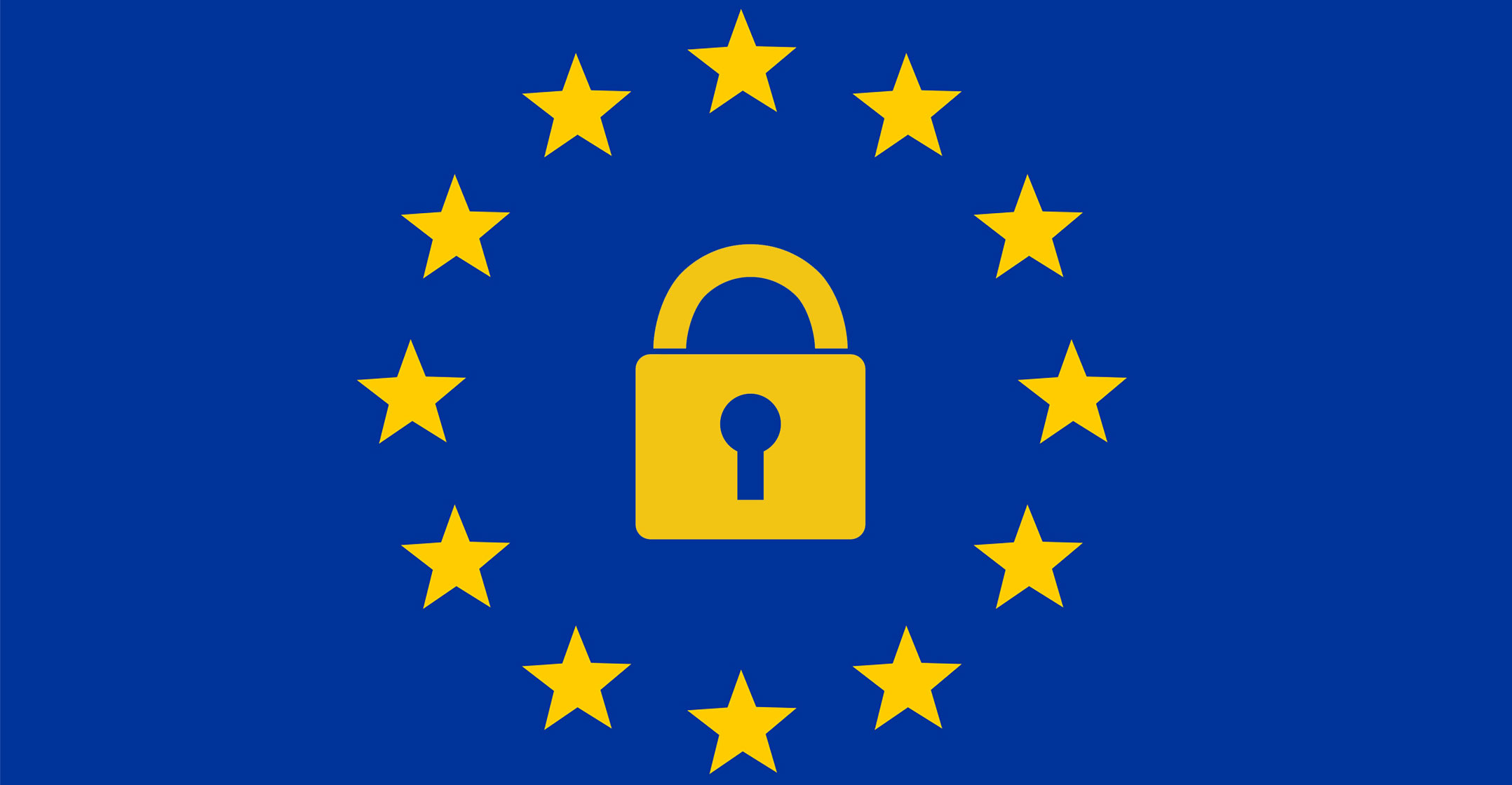
    With the European Union’s General Data Protection Regulation (GDPR) coming up to its first anniversary in May, there is evidence that it’s already having an impact, with organisations and customers reporting breaches more regularly.

    But will this really make for a safer environment? Perhaps more importantly, are authorities ready and equipped to deal with increased levels of reporting?

    The answers to these questions are important, not only in the EU, but also in South Africa, where the Protection of Personal Information Act (Popi) is making progress on its path to implementation. Assessing the impact of GDPR will give us a clearer idea of how effective Popi might be.

    After little activity last year, the Information Regulator in South Africa published the final Popi regulations on 14 December

    In the immediate aftermath of GDPR coming into force, there was a dramatic uptick in the number of data breach complaints received by authorities across Europe. That’s hardly surprising, especially given the attention GDPR was receiving at the time.

    In the UK alone, there were 19 000 complaints from members of the public about privacy breaches in the six months after GDPR came into effect, versus just 9 000 in the same six months the previous year. In that same six months, more than 8 000 data breaches were reported.

    In Ireland, meanwhile, the number of data-breach reports received on a daily basis more than doubled, with similarly dramatic increases in Germany and France.

    Although this increase in reporting certainly gives authorities a clearer idea of how many data breaches occur on a daily basis, as well as how proactively organisations look after their customers’ data, is it making any tangible difference?

    Positive impact

    While GDPR can’t prevent cybercriminals from trying to access organisational data, it is likely that it will have a positive impact in the long term.

    If organisations are serious about being compliant, they’ll ensure that they have the required checks and balances in place, as well as invest in better security and better data governance.

    The uptick in privacy breach complaints also suggests that ordinary people are becoming more aware of how their data is being used. As a consequence, there may be increased awareness around the value of data, and further improvements to accountability driven by consumer demand and activism.
    That will only be the case, however, if authorities in the individual EU countries are stringent in ensuring that organisations are GDPR compliant and respond with material consequences on those who aren’t.

    If early indicators are anything to go by, those looking to flout the regulations may feel emboldened.

    By late December, just three nations had issued public fines under the new regulations. The UK’s first enforcement under the new regime, meanwhile, fell flat, after the Canadian business involved successfully appealed the order.

    That said, authorities across the EU indicated that they would tread softly at first, so we may only see the big sticks come out through the course of 2019.

    If the Information Regulator fails to properly enforce Popi, however, it won’t create the more secure, more accountable environment it’s meant to

    In South Africa, Popi will face similar challenges when it finally comes into effect.

    After little activity last year, the Information Regulator in South Africa published the final Popi regulations on 14 December.

    Although the regulations include very few extra compliance requirements (there will likely be even fewer for companies which are already GDPR compliant), organisations will still have to ensure that they put in the necessary effort by the Popi commencement date.

    If the Information Regulator fails to properly enforce Popi, however, it won’t create the more secure, more accountable environment it’s meant to.

    Given that the regulator is only expected to be fully operational this year (nearly three years after being formed), and is still staffing up, it may be some time before it has the necessary teeth to take on anyone flouting the act.

    Year’s grace period

    Organisations will also a have a year’s grace period to get their houses in order once Popi comes into effect. That means we’ll probably only have an accurate idea of Popi’s efficacy sometime after 2020.

    Finally, it’s important to note that compliance does not always equal security. While being Popi and GDPR compliant can help improve security, organisations need to set their security postures higher than the regulatory requirements if we are to create a safer digital environment.

    Cybercriminals haven’t stopped trying to get their hands on organisational data because of GDPR and they won’t because of the South African legislation.

    Organisations therefore need to go beyond what is required for compliance and do everything possible to prevent breaches from happening, as well as manage them effectively when they do.

    • Alison Treadaway is chief marketing officer at Striata


    Alison Treadaway GDPR Popi Act Striata
    WhatsApp YouTube Follow on Google News Add as preferred source on Google
    Share. Facebook Twitter LinkedIn WhatsApp Telegram Email Copy Link
    Previous ArticleNew MD for Microsoft South Africa
    Next Article Vodacom secures rights to live-stream FA Cup matches

    Related Posts

    Truecaller may face Popia probe by Information Regulator

    Truecaller may face Popia probe by Information Regulator

    27 November 2024

    Europe’s GDPR is broken, departing privacy chief warns

    25 June 2021

    Mimecast’s Brian Pinnock on the Popi Act and what happens next

    14 December 2020
    Company News
    How NEC XON tackled identity risk for a major telco - Michael de Neuilly Rice

    How NEC XON tackled identity risk for a major telco

    11 February 2026

    Why Acer is the strategic choice for South Africa’s educational future

    11 February 2026
    Fyndae is building Africa's human verification layer for community security and collaboration

    Fyndae wants to turn lost-item recovery into Africa’s trust infrastructure

    11 February 2026
    Opinion
    South Africa's skills advantage is being overlooked at home - Richard Firth

    South Africa’s skills advantage is being overlooked at home

    29 January 2026
    Why Elon Musk's Starlink is a 'hard no' for me - Songezo Zibi

    Why Elon Musk’s Starlink is a ‘hard no’ for me

    26 January 2026
    South Africa's new fibre broadband battle - Duncan McLeod

    South Africa’s new fibre broadband battle

    20 January 2026

    Subscribe to Updates

    Get the best South African technology news and analysis delivered to your e-mail inbox every morning.

    Latest Posts
    Altron jumps after company flags strong earnings growth

    Altron jumps after company flags strong earnings growth

    12 February 2026
    Toyota SA CEO: NEV inaction will cost South Africa its motoring industry - Andrew Kirby

    Toyota SA CEO: NEV inaction will cost South Africa its motoring industry

    12 February 2026
    Russia bans WhatsApp

    Russia bans WhatsApp

    12 February 2026
    Censorship-resistant internet from space - Spacecoin

    Censorship-resistant internet from space

    12 February 2026
    © 2009 - 2026 NewsCentral Media
    • Cookie policy (ZA)
    • TechCentral – privacy and Popia

    Type above and press Enter to search. Press Esc to cancel.

    Manage consent

    TechCentral uses cookies to enhance its offerings. Consenting to these technologies allows us to serve you better. Not consenting or withdrawing consent may adversely affect certain features and functions of the website.

    Functional Always active
    The technical storage or access is strictly necessary for the legitimate purpose of enabling the use of a specific service explicitly requested by the subscriber or user, or for the sole purpose of carrying out the transmission of a communication over an electronic communications network.
    Preferences
    The technical storage or access is necessary for the legitimate purpose of storing preferences that are not requested by the subscriber or user.
    Statistics
    The technical storage or access that is used exclusively for statistical purposes. The technical storage or access that is used exclusively for anonymous statistical purposes. Without a subpoena, voluntary compliance on the part of your Internet Service Provider, or additional records from a third party, information stored or retrieved for this purpose alone cannot usually be used to identify you.
    Marketing
    The technical storage or access is required to create user profiles to send advertising, or to track the user on a website or across several websites for similar marketing purposes.
    • Manage options
    • Manage services
    • Manage {vendor_count} vendors
    • Read more about these purposes
    View preferences
    • {title}
    • {title}
    • {title}