Close Menu
TechCentralTechCentral

    Subscribe to the newsletter

    Get the best South African technology news and analysis delivered to your e-mail inbox every morning.

    Facebook X (Twitter) YouTube LinkedIn
    WhatsApp Facebook X (Twitter) LinkedIn YouTube
    TechCentralTechCentral
    • News
      DStv tests free seven-day upgrades, starting with Sports

      DStv tests free subscriber upgrades, starting with Sports

      29 September 2026
      Electric delivery bikes gain ground as petrol heads for R30/litre

      Electric delivery bikes gain ground as petrol heads for R30/litre

      29 September 2026
      Vodacom squeezes more 4G and 5G capacity out of cramped sites

      Vodacom squeezes more 4G and 5G capacity out of cramped sites

      29 September 2026
      South Africa's next energy crisis is in the accounts department - Craig Holmes

      South Africa’s next energy crisis is in the accounts department

      29 September 2026
      Anthropic bets AI will outstrip electricity and the internet

      Anthropic bets AI will outstrip electricity and the internet

      29 September 2026
    • World
      Anthropic weighs new model launch to blunt OpenAI's Astra surge - Anthropic CEO Dario Amodei and OpenAI CEO Sam Altman

      Anthropic weighs new model launch to blunt OpenAI’s Astra surge

      21 September 2026
      Hackers hack hackers: ShinyHunters seizes cl0p's dark web site

      Hackers hack hackers as dark web feud erupts

      21 September 2026
      Film piracy malware is reaching corporate machines

      Film piracy malware is reaching corporate machines

      21 September 2026
      Crypto's big bet fails as US senate sinks Clarity Act

      Crypto’s big bet fails as US senate sinks Clarity Act

      16 September 2026
      'This is not circular': Jensen Huang defends $3.5-billion MediaTek deal

      ‘This is not circular’: Jensen Huang defends $3.5-billion MediaTek deal

      2 September 2026
    • In-depth
      Meta to the AI industry: slow down without us - Mark Zuckerberg

      Meta to the AI industry: slow down without us

      16 September 2026
      Google DeepMind CEO Demis Hassabis. Image: John Sears

      The plan to stop AI from breaking the world

      16 July 2026
      The internet has a Strait of Hormuz problem

      The internet has a Strait of Hormuz problem

      15 July 2026
      AI boom sparks rally, frenzy and fear

      AI boom sparks rally, frenzy and fear

      11 June 2026
      Every plug-in hybrid on sale in South Africa, ranked by price - Lamborghini Temerario

      Every plug-in hybrid on sale in South Africa, ranked by price

      7 June 2026
    • TCS
      TCS | Octotel's Trevor van Zyl on the fibre merger question

      TCS | Octotel’s Trevor van Zyl on the MetroFibre merger question

      16 September 2026
      Meet the CIO | Shoprite's Chris Shortt on what a supermarket becomes

      Meet the CIO | Shoprite’s Chris Shortt on what a supermarket becomes

      9 September 2026
      Rubicon's EV charging network is profitable - and growing fast - Watts & Wheels

      Rubicon’s EV charging network is profitable – and growing fast

      8 September 2026
      Winstone Jordaan on building a national EV charging network

      Winstone Jordaan on building a national EV charging network

      2 September 2026
      Watts & Wheels S1E8: 'Tesla lands in Africa, just not here'

      Watts & Wheels S1E8: ‘Tesla lands in Africa, just not here’

      24 August 2026
    • Opinion
      Regulating AI: apply the laws we have first - Dirk de Vos

      Regulating AI: apply the laws we have first

      21 September 2026
      The end is nigh, and the shares go on sale in October - Duncan McLeod

      The end is nigh, and the shares go on sale in October

      14 September 2026
      The fragile joint in the Capitec machine - Pambos Soteriades

      The R197-billion market the banks can’t reach

      25 August 2026
      South African tech's compounding debt problem - Jannie van Zyl

      Management consulting as we know it is over

      21 August 2026
      South African tech's compounding debt problem - Jannie van Zyl

      The most dangerous customer is the quiet one

      10 August 2026
    • Company Hubs
      • 1Stream
      • Africa Data Centres
      • AfriGIS
      • Altron Digital Business
      • Altron Document Solutions
      • Altron Group
      • Arctic Wolf
      • Ascent Technology
      • AvertITD
      • BBD
      • Braintree
      • CallMiner
      • CambriLearn
      • CM.com
      • Contactable
      • CYBER1 Solutions
      • Digicloud Africa
      • Digimune
      • Domains.co.za
      • ESET
      • Euphoria Telecom
      • HOSTAFRICA
      • Incredible Business
      • iONLINE
      • IQbusiness
      • Iris Network Systems
      • Kaspersky
      • LSD Open
      • Mitel
      • NEC XON
      • Netstar
      • Network Platforms
      • Next DLP
      • Ovations
      • Paracon
      • Paratus
      • Publishared
      • Q-KON
      • SevenC
      • SkyWire
      • Solid8 Technologies
      • Telit Cinterion
      • Telviva
      • Tenable
      • Vertiv
      • Videri Digital
      • Vodacom Business
      • Vox
      • Wipro
      • Workday
      • XLink
    • Sections
      • AI and machine learning
      • Banking
      • Broadcasting and Media
      • Cloud services
      • Contact centres and CX
      • Cryptocurrencies
      • Education and skills
      • Electronics and hardware
      • Energy and sustainability
      • Enterprise software
      • Financial services
      • HealthTech
      • Information security
      • Internet and connectivity
      • Internet of Things
      • Investment
      • IT services
      • Lifestyle
      • Policy and regulation
      • Public sector
      • Retail and e-commerce
      • Satellite communications
      • Science
      • SMEs and start-ups
      • Social media
      • Talent and leadership
      • Telecoms
      • Watts & Wheels
    • Events
    • Advertise
    TechCentralTechCentral
    Home » Opinion » Daniel Goldstuck » How a minor legislative change could save South Africa from load shedding

    How a minor legislative change could save South Africa from load shedding

    By Daniel Goldstuck26 August 2020
    Twitter LinkedIn Facebook WhatsApp Email Telegram Copy Link
    Get breaking news on WhatsApp

    The author, Dan Goldstuck, argues that a minor legislative change could save South Africa two stages of load shedding

    What if I told you that our energy crisis could be alleviated with one simple change? Sounds ridiculous doesn’t it? But as a professional, with almost a decade of experience working in the energy space, I can tell you it’s that simple.

    Every individual across South Africa has felt the ongoing impact of load shedding, both at home and at work. Surely there must be insurmountable obstacles or surely we would have solved the issues and be operating at full capacity, with an economy unfettered by load shedding and increasingly damaging down time.

    Well, there is just one change that the minister of mineral resources & energy can make, a change that would increase power supply, cut future load shedding by at least two stages and prevent the recent wastage on expensive diesel, all while both saving and creating jobs.

    Generation capacity below 1MW is exempt from obtaining a licence, requiring only registration with energy regulator Nersa

    So, what is that change? It is to move the current exemption from licensing from 1MW to 10MW for energy generation installations. Currently, 1MW can supply a small mall, while 10MW is suitable to feed into a mine or industrial facility.

    The Electricity Regulatory Act of 2006 governs the various stakeholders of the electricity supply industry, and regulates participation in the form of licensed activities. One such licensed activity is the generation of electricity, which requires a generation licence.

    Generation capacity below 1MW is exempt from obtaining a licence, requiring only registration with energy regulator Nersa upon obtaining permission to connect from the local distribution licence holder (either Eskom or a municipality) under a connection or use-of-system agreement. This is an arbitrary limit set as a policy decision, and has no technical basis.

    10MW exemption

    Operators working in both renewable and traditional energy propose the increase to 10MW because that capacity limit can be absorbed with minimal upgrades by a large number of substations, or nodes on the distribution network. This would also fit within the power consumption profile of many industrial facilities.

    On 26 March, the minister, Gwede Mantashe, gazetted an amended version of schedule 2 rationalising the licensing exemptions applicable to generation facilities under 1MW. However, disappointingly, the 1MW licensing cap remained, missing a valuable opportunity to create lasting benefits to the entire electricity system and avoid serious load shedding during the day while still allowing some headroom for Eskom to carry out necessary maintenance.

    The ministry has previously expressed concerns around protection of the electricity network as well as job and Eskom revenue losses, however, these are all addressable.
    Municipalities and Eskom may be concerned that allowing more generation would impact their revenue collection. As it stands, a large municipality shedding 200MW during a load shedding event costs R40-million/week, or R174-million/month. Eskom has made provision for up to eight stages of load shedding, which will result in the majority of municipalities collecting 0% revenue from most suburbs for significant periods of the day.

    And when we look at job creation, those fears can also be addressed. Increasing the share of renewable energy must and will be accompanied by discussion of a “just energy transition” to ensure access to affordable energy while enabling all South African citizens to participate in the related economic opportunities.

    All data I have analysed indicates a transition to increased renewable energy percentages or even replacements of coal power stations will result in net-positive job creation. I agree that serious work needs to be done to ensure the specific individuals impacted are reskilled in a sustainable environment to be able to re-enter the new economic landscape.

    Energy would be available from these plants far sooner than energy from any national procurement programme currently under discussion

    But further, in a scenario where Eskom is shedding 6GW in the middle of the day, adding mere megawatts to the grid will have almost no impact on existing jobs, and in fact will result in greater job creation (4MW of rooftop projects can keep 31 staff employed for a year).

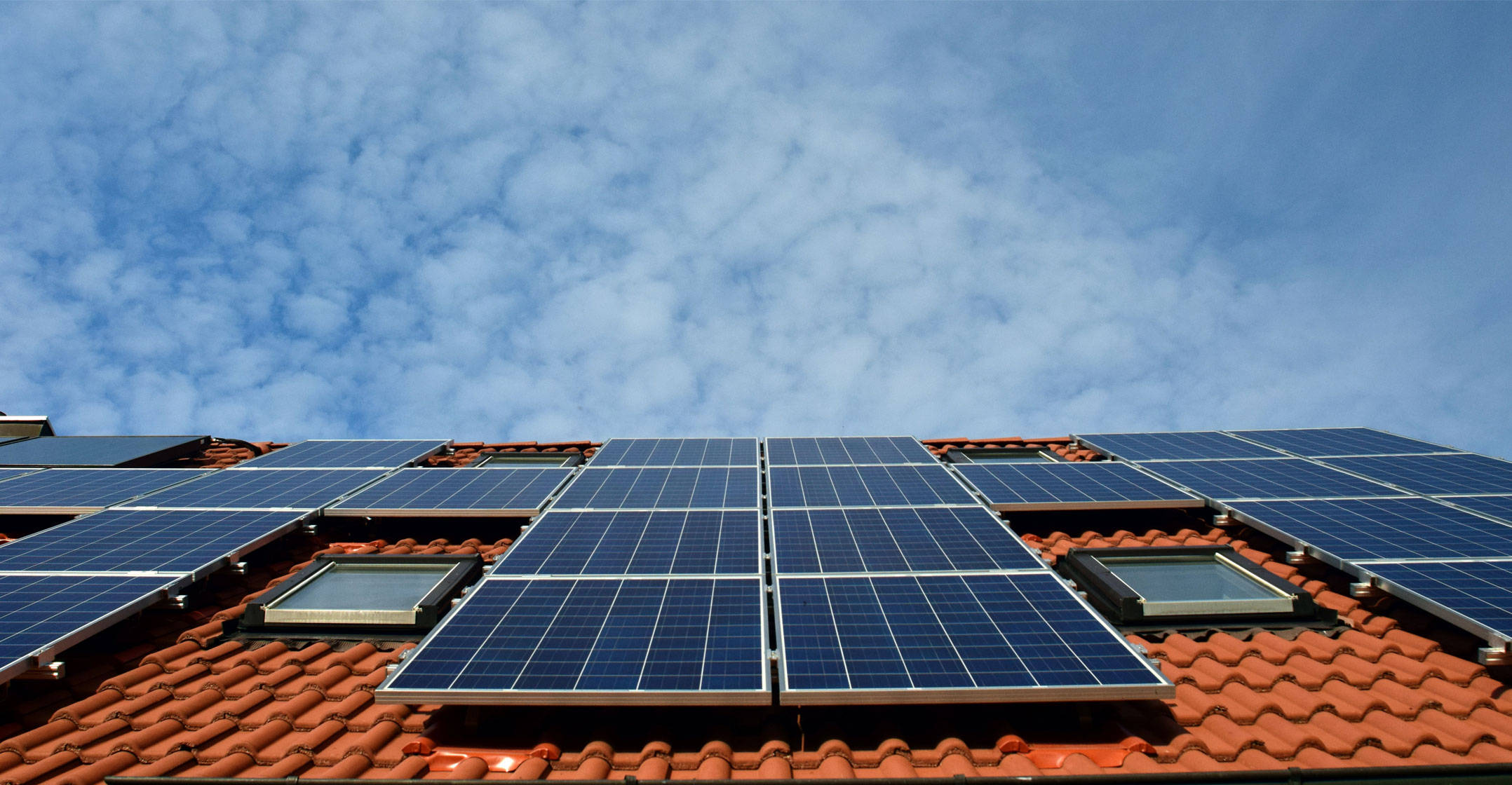
    A recent South African Photovoltaic Industry Association estimate indicates that this change in legislation, shifting the limit for exemption from 1MW to 10MW, would enable 2GW of PV to be installed within 12 months.

    In the middle of the day, this is enough to shift load shedding by up to two stages (for example, from stage 4 to stage 2, or from stage 2 to not at all), reducing the need to run expensive diesel generation if capacity is constrained, but not yet at levels to trigger load shedding.

    Jobs

    This would create jobs for 15 500 site staff, and approximately 2 000 office-based junior and mid-management jobs. I have not yet quantified the job creation potential of related downstream manufacturing and services providers.

    Energy would be available from these plants far sooner than energy from any national procurement programme currently under discussion.

    The minister and other stakeholders must grasp the opportunity that renewable energy presents, not just from a supply perspective but also because it directly addresses the potential job losses in the coal sector and the fear of lost revenue at Eskom. Without a fully operating power system, we will have less jobs and less revenue for Eskom. In contrast, with the appropriate legislation, we can create a much more robust electricity supply environment catering to multiple requirements of economic growth.

    If the grid can absorb the power, the municipalities can continue selling power and jobs can be created, all while avoiding a further crisis at no actual cost to the government or taxpayer, why would we not make one simple change?

    Changing one number, on one piece of legislation, can deliver wins on all the levels required.

    • Daniel Goldstuck is the grid access working group chairman at the South African Photovoltaic Industry Association, an organisation representing the solar PV industry in South Africa

    Add TechCentral as a preferred source on GoogleFollow TechCentral on Google NewsGet breaking news on WhatsApp


    Daniel Goldstuck Eskom Gwede Mantashe Nersa Sapvia top
    WhatsApp YouTube
    Share. Facebook Twitter LinkedIn WhatsApp Telegram Email Copy Link
    Previous ArticleEskom online parliamentary meeting turns into a farce
    Next Article Experian seeks criminal charges against breach perpetrator

    Related Posts

    South Africa's next energy crisis is in the accounts department - Craig Holmes

    South Africa’s next energy crisis is in the accounts department

    29 September 2026
    Eskom's profit doubles even as it sells less electricity - Mteto Nyati

    Mteto Nyati to stay on as Eskom chairman

    25 September 2026

    Remember when bitcoin was killing the planet?

    21 September 2026
    Company News
    Standard Bank and Huawei forge strategic cloud partnership

    Standard Bank and Huawei forge strategic cloud partnership

    29 September 2026
    GEC+Africa 2026 celebrates Africa's most promising entrepreneurs

    GEC+Africa 2026 celebrates Africa’s most promising entrepreneurs

    28 September 2026
    Why 'access' is failing South Africa’s classrooms - and how we fix it - Webafrica

    Why ‘access’ is failing South Africa’s classrooms – and how we fix it

    28 September 2026
    Opinion
    Regulating AI: apply the laws we have first - Dirk de Vos

    Regulating AI: apply the laws we have first

    21 September 2026
    The end is nigh, and the shares go on sale in October - Duncan McLeod

    The end is nigh, and the shares go on sale in October

    14 September 2026
    The fragile joint in the Capitec machine - Pambos Soteriades

    The R197-billion market the banks can’t reach

    25 August 2026

    Subscribe to Updates

    Get the best South African technology news and analysis delivered to your e-mail inbox every morning.

    Latest Posts
    Standard Bank and Huawei forge strategic cloud partnership

    Standard Bank and Huawei forge strategic cloud partnership

    29 September 2026
    DStv tests free seven-day upgrades, starting with Sports

    DStv tests free subscriber upgrades, starting with Sports

    29 September 2026
    Electric delivery bikes gain ground as petrol heads for R30/litre

    Electric delivery bikes gain ground as petrol heads for R30/litre

    29 September 2026
    Vodacom squeezes more 4G and 5G capacity out of cramped sites

    Vodacom squeezes more 4G and 5G capacity out of cramped sites

    29 September 2026
    © 2009 - 2026 NewsCentral Media
    Built and maintained by Chronon
    • Cookie policy (ZA)
    • TechCentral – privacy and Popia

    Type above and press Enter to search. Press Esc to cancel.

    Manage consent

    TechCentral uses cookies to enhance its offerings. Consenting to these technologies allows us to serve you better. Not consenting or withdrawing consent may adversely affect certain features and functions of the website.

    Functional Always active
    The technical storage or access is strictly necessary for the legitimate purpose of enabling the use of a specific service explicitly requested by the subscriber or user, or for the sole purpose of carrying out the transmission of a communication over an electronic communications network.
    Preferences
    The technical storage or access is necessary for the legitimate purpose of storing preferences that are not requested by the subscriber or user.
    Statistics
    The technical storage or access that is used exclusively for statistical purposes. The technical storage or access that is used exclusively for anonymous statistical purposes. Without a subpoena, voluntary compliance on the part of your Internet Service Provider, or additional records from a third party, information stored or retrieved for this purpose alone cannot usually be used to identify you.
    Marketing
    The technical storage or access is required to create user profiles to send advertising, or to track the user on a website or across several websites for similar marketing purposes.
    • Manage options
    • Manage services
    • Manage {vendor_count} vendors
    • Read more about these purposes
    View preferences
    • {title}
    • {title}
    • {title}
    🇿🇦 Sign up to the TechCentral newsletter