
Close Menu
TechCentralTechCentral

    Subscribe to the newsletter

    Get the best South African technology news and analysis delivered to your e-mail inbox every morning.

    Facebook X (Twitter) YouTube LinkedIn
    WhatsApp Facebook X (Twitter) LinkedIn YouTube
    TechCentralTechCentral
    • News
      Vuyani Jarana: Mobile coverage masks a deeper broadband failure

      Vuyani Jarana: Mobile coverage masks a deeper broadband failure

      30 January 2026
      SABC Plus to flight Microsoft AI training videos

      SABC Plus to flight Microsoft AI training videos

      30 January 2026
      Fibre ducts

      Fibre industry consolidation in KZN

      30 January 2026
      Watts & Wheels S1E3: 'BYD's Corolla Cross challenger'

      Watts & Wheels S1E3: ‘BYD’s Corolla Cross challenger’

      30 January 2026
      What ordinary South Africans really think of AI

      What ordinary South Africans really think of AI

      30 January 2026
    • World
      Apple acquires audio AI start-up Q.ai

      Apple acquires audio AI start-up Q.ai

      30 January 2026
      SpaceX IPO may be largest in history

      SpaceX IPO may be largest in history

      28 January 2026
      Nvidia throws AI at the weather

      Nvidia throws AI at weather forecasting

      27 January 2026
      Debate erupts over value of in-flight Wi-Fi

      Debate erupts over value of in-flight Wi-Fi

      26 January 2026
      Intel takes another hit - Intel CEO Lip-Bu Tan. Laure Andrillon/Reuters

      Intel takes another hit

      23 January 2026
    • In-depth
      How liberalisation is rewiring South Africa's power sector

      How liberalisation is rewiring South Africa’s power sector

      21 January 2026
      The top-performing South African tech shares of 2025

      The top-performing South African tech shares of 2025

      12 January 2026
      Digital authoritarianism grows as African states normalise internet blackouts

      Digital authoritarianism grows as African states normalise internet blackouts

      19 December 2025
      TechCentral's South African Newsmakers of 2025

      TechCentral’s South African Newsmakers of 2025

      18 December 2025
      Black Friday goes digital in South Africa as online spending surges to record high

      Black Friday goes digital in South Africa as online spending surges to record high

      4 December 2025
    • TCS
      TCS+ | How Cloud On Demand is helping SA businesses succeed in the cloud - Xhenia Rhode, Dion Kalicharan

      TCS+ | Cloud On Demand and Consnet: inside a real-world AWS partner success story

      30 January 2026
      Watts & Wheels S1E3: 'BYD's Corolla Cross challenger'

      Watts & Wheels S1E2: ‘China attacks, BMW digs in, Toyota’s sublime supercar’

      23 January 2026

      TCS+ | Why cybersecurity is becoming a competitive advantage for SA businesses

      20 January 2026
      Watts & Wheels S1E3: 'BYD's Corolla Cross challenger'

      Watts & Wheels: S1E1 – ‘William, Prince of Wheels’

      8 January 2026
      TCS+ | Africa's digital transformation - unlocking AI through cloud and culture - Cliff de Wit Accelera Digital Group

      TCS+ | Cloud without culture won’t deliver AI: Accelera’s Cliff de Wit

      12 December 2025
    • Opinion
      South Africa's skills advantage is being overlooked at home - Richard Firth

      South Africa’s skills advantage is being overlooked at home

      29 January 2026
      Why Elon Musk's Starlink is a 'hard no' for me - Songezo Zibi

      Why Elon Musk’s Starlink is a ‘hard no’ for me

      26 January 2026
      South Africa's new fibre broadband battle - Duncan McLeod

      South Africa’s new fibre broadband battle

      20 January 2026
      AI moves from pilots to production in South African companies - Nazia Pillay SAP

      AI moves from pilots to production in South African companies

      20 January 2026
      South Africa's new fibre broadband battle - Duncan McLeod

      ANC’s attack on Solly Malatsi shows how BEE dogma trumps economic reality

      14 December 2025
    • Company Hubs
      • Africa Data Centres
      • AfriGIS
      • Altron Digital Business
      • Altron Document Solutions
      • Altron Group
      • Arctic Wolf
      • AvertITD
      • Braintree
      • CallMiner
      • CambriLearn
      • CYBER1 Solutions
      • Digicloud Africa
      • Digimune
      • Domains.co.za
      • ESET
      • Euphoria Telecom
      • Incredible Business
      • iONLINE
      • IQbusiness
      • Iris Network Systems
      • LSD Open
      • NEC XON
      • Netstar
      • Network Platforms
      • Next DLP
      • Ovations
      • Paracon
      • Paratus
      • Q-KON
      • SevenC
      • SkyWire
      • Solid8 Technologies
      • Telit Cinterion
      • Tenable
      • Vertiv
      • Videri Digital
      • Vodacom Business
      • Wipro
      • Workday
      • XLink
    • Sections
      • AI and machine learning
      • Banking
      • Broadcasting and Media
      • Cloud services
      • Contact centres and CX
      • Cryptocurrencies
      • Education and skills
      • Electronics and hardware
      • Energy and sustainability
      • Enterprise software
      • Financial services
      • Information security
      • Internet and connectivity
      • Internet of Things
      • Investment
      • IT services
      • Lifestyle
      • Motoring
      • Public sector
      • Retail and e-commerce
      • Satellite communications
      • Science
      • SMEs and start-ups
      • Social media
      • Talent and leadership
      • Telecoms
    • Events
    • Advertise
    TechCentralTechCentral
    Home » Sections » Electronics and hardware » How Huawei stacks up against Apple in tech self-sufficiency

    How Huawei stacks up against Apple in tech self-sufficiency

    By Agency Staff9 August 2019
    Twitter LinkedIn Facebook WhatsApp Email Telegram Copy Link
    News Alerts
    WhatsApp
    Huawei’s Mate 20 Pro

    Huawei Technologies on Friday offered the first glimpse of an in-house software that may someday replace Google’s Android, an important step toward reducing its reliance on American technology.

    HarmonyOS, previously code-named Hongmeng, is a long-gestating operating system that could soon find its way into smart TVs and lower-end phones. The OS embodies Huawei’s shift toward self-reliance as American sanctions cut it off from vital technology, and escalating US-Chinese tariffs jeopardise a carefully orchestrated global supply chain. Huawei’s efforts actually mirror Apple’s: to develop vertically integrated supply and production lines that help reduce exposure to inclement market forces, unreliable suppliers and unpredictable events like international trade disputes.

    The newly hostile environment is putting to the test not just Apple’s “Designed in California, assembled in China” slogan, but the overall preparedness of two smartphone-making giants as the decades-old made-in-China model fractures. Here’s a look at how dependent Apple and Huawei are on external suppliers.

    OS: Apple’s strength has always been the integration of software with hardware, and it has absolute control over iOS. Huawei is trying to do the same with HarmonyOS, but it has everything left to prove, starting today. For the foreseeable future, Huawei remains dependent on Android for its mainstream smartphones, especially outside China. Advantage: Apple.

    Software ecosystem: The enormous fortress of iTunes, the App Store and a dedicated following of enthusiastic app developers is a huge and profitable edge for Apple’s mobile business. Huawei will need developers to build valuable apps for its ecosystem, which is another major question mark. Advantage: Apple.
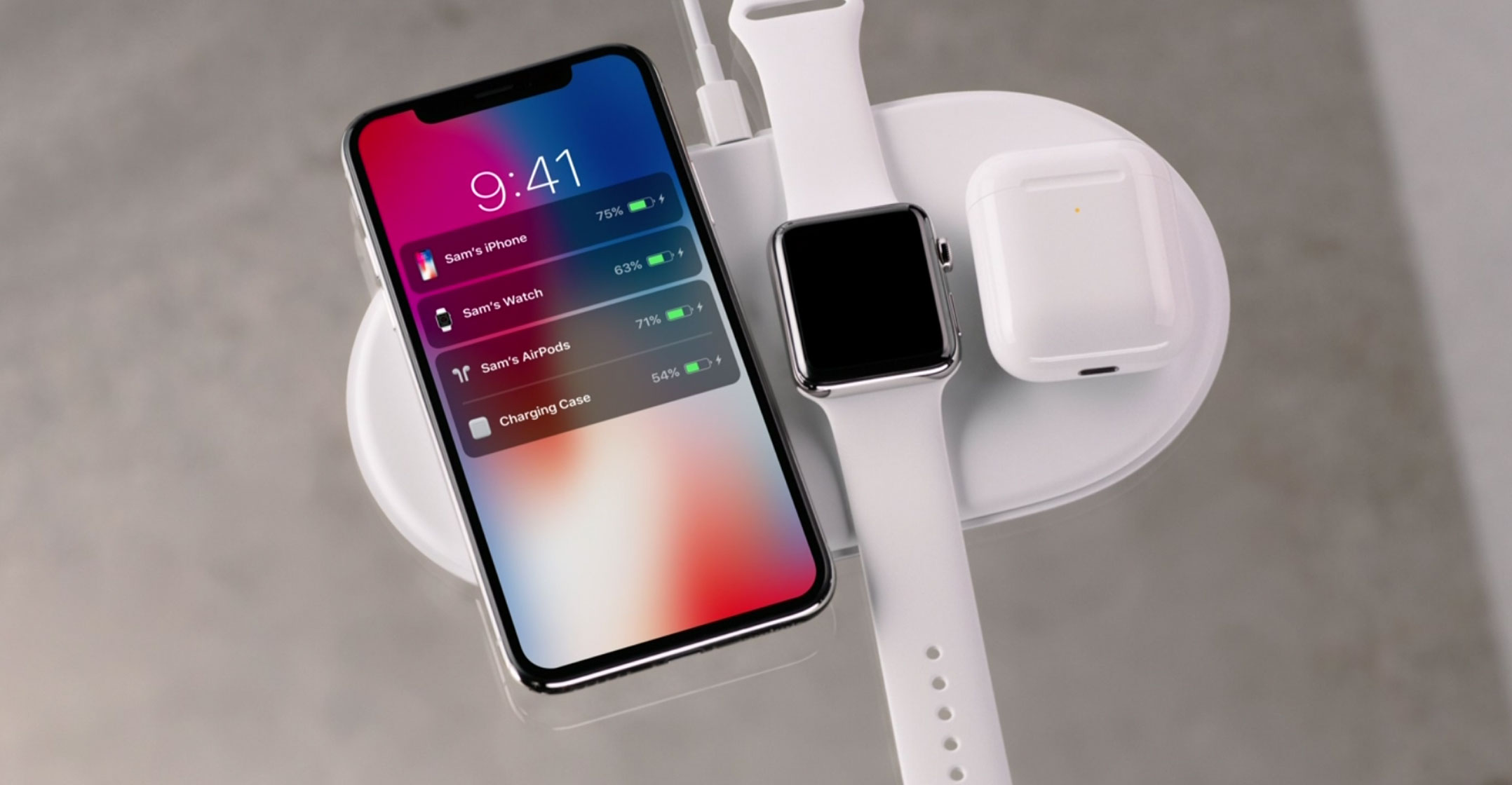
    Apple’s iPhone X

    Processors: Both design their own processors but neither controls their actual production. Instead, they rely on Taiwan Semiconductor Manufacturing Co to put them together and on SoftBank Group’s Arm for the licences they need to design semiconductors. Advantage: Neither.

    Memory and storage: SK Hynix, Samsung Electronics and Micron Technology anchor the two smartphone makers’ storage needs. The Korean duo have a significant lead on RAM modules. Neither Apple nor Huawei has the capability to produce their own storage chips, though Huawei recently launched the Nano Memory Card. Advantage: Neither.

    Huawei is already among the leaders in 5G modems, having announced the Balong 5G01 modem in February

    Display: Samsung is the biggest supplier of the OLED displays that Apple uses for its iPhone X and Xs top-tier devices. Others such as Japan Display and LG Display provide LCD panels for the likes of the iPhone XR and earlier models. While Huawei is in much the same boat, it’s increasingly relying on home-team vendor BOE Technology Group for its OLED panels, which are starting to win customers beyond China. In short, neither is capable of doing the manufacturing itself. Advantage: Neither.

    Modems: Essential to mobile connectivity, modems are only going to become more important with the transition to next-generation 5G technology. Apple recently agreed to buy Intel’s modem division, a step toward designing its own 5G chips. But Huawei is already among the leaders on this front, having announced the Balong 5G01 modem in February. As with processors, neither has its own silicon facilities so they’ll again be reliant on specialist foundries. Advantage: Huawei.
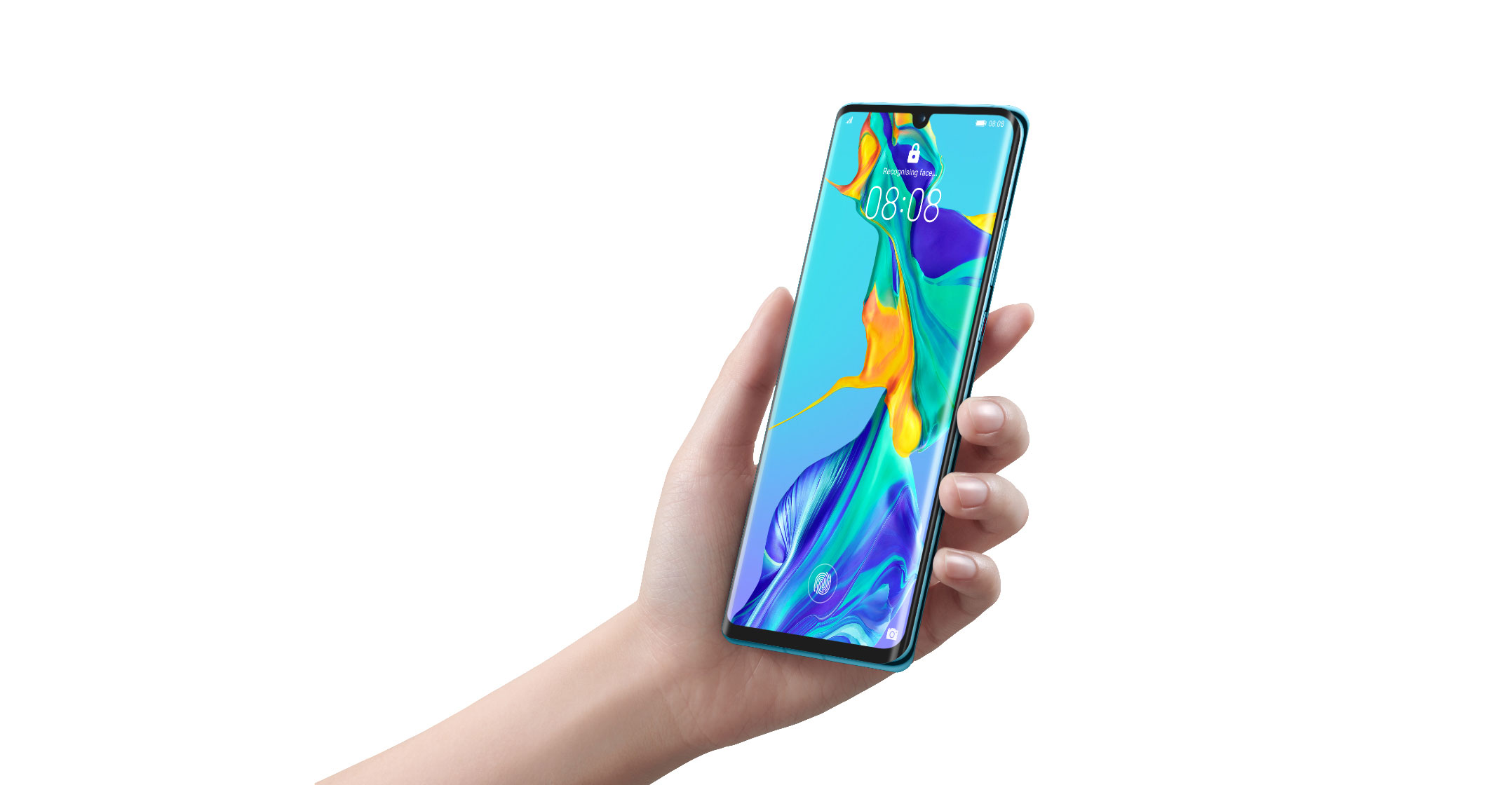
    Huawei’s P30 Pro

    Assembly: Apple and Huawei are heavily reliant on assemblers such as Hon Hai Precision Industry, also known as Foxconn. Both also tap other Taiwanese contract manufacturers — such as Pegatron, Compal Electronics and Quanta Computer — to varying degrees, while Huawei also relies on Flex. But unlike Apple, which decided years to outsource much of its global production in China, Huawei operates a few highly automated lines to make top-tier P series phones. Advantage: Huawei.

    Others: Apple and Huawei rely on a plethora of companies elsewhere in their smartphone production. US companies Skyworks and Qorvo provide radio-frequency modules to facilitate 3G and LTE communications. Dutch semiconductor company NXP is the go-to supplier of NFC parts required for contactless payments. Sony is the undisputed leader in camera sensors and modules. And Apple-funded Corning supplies toughened glass. Advantage: Neither.

    Apple and Huawei appear to be the brains orchestrating a huge, international body of engineering muscle. They design their own software, processors, modems and phones, but ultimately have to hand those plans off to a legion of transnational suppliers and manufacturers.  — (c) 2019 Bloomberg LP



    Apple Huawei
    WhatsApp YouTube Follow on Google News Add as preferred source on Google
    Share. Facebook Twitter LinkedIn WhatsApp Telegram Email Copy Link
    Previous ArticleUnintended consequences start to haunt Trump
    Next Article Uber shares tumble on record $5.2-billion quarterly loss

    Related Posts

    Huawei turns 25 in South Africa, celebrates with major device discounts

    Huawei turns 25 in South Africa, celebrates with major device discounts

    30 January 2026
    Apple acquires audio AI start-up Q.ai

    Apple acquires audio AI start-up Q.ai

    30 January 2026
    Chip shortage will get worse, Samsung warns

    Chip shortage will get worse, Samsung warns

    29 January 2026
    Company News
    Huawei turns 25 in South Africa, celebrates with major device discounts

    Huawei turns 25 in South Africa, celebrates with major device discounts

    30 January 2026
    Phishing has not disappeared, but it has grown up - KnowBe4

    Phishing has not disappeared, but it has grown up

    30 January 2026
    Smartphone affordability: South Africa's new economic divide - PayJoy

    Smartphone affordability: South Africa’s new economic divide

    29 January 2026
    Opinion
    South Africa's skills advantage is being overlooked at home - Richard Firth

    South Africa’s skills advantage is being overlooked at home

    29 January 2026
    Why Elon Musk's Starlink is a 'hard no' for me - Songezo Zibi

    Why Elon Musk’s Starlink is a ‘hard no’ for me

    26 January 2026
    South Africa's new fibre broadband battle - Duncan McLeod

    South Africa’s new fibre broadband battle

    20 January 2026

    Subscribe to Updates

    Get the best South African technology news and analysis delivered to your e-mail inbox every morning.

    Latest Posts
    Vuyani Jarana: Mobile coverage masks a deeper broadband failure

    Vuyani Jarana: Mobile coverage masks a deeper broadband failure

    30 January 2026
    TCS+ | How Cloud On Demand is helping SA businesses succeed in the cloud - Xhenia Rhode, Dion Kalicharan

    TCS+ | Cloud On Demand and Consnet: inside a real-world AWS partner success story

    30 January 2026
    Huawei turns 25 in South Africa, celebrates with major device discounts

    Huawei turns 25 in South Africa, celebrates with major device discounts

    30 January 2026
    SABC Plus to flight Microsoft AI training videos

    SABC Plus to flight Microsoft AI training videos

    30 January 2026
    © 2009 - 2026 NewsCentral Media
    • Cookie policy (ZA)
    • TechCentral – privacy and Popia

    Type above and press Enter to search. Press Esc to cancel.

    Manage consent

    TechCentral uses cookies to enhance its offerings. Consenting to these technologies allows us to serve you better. Not consenting or withdrawing consent may adversely affect certain features and functions of the website.

    Functional Always active
    The technical storage or access is strictly necessary for the legitimate purpose of enabling the use of a specific service explicitly requested by the subscriber or user, or for the sole purpose of carrying out the transmission of a communication over an electronic communications network.
    Preferences
    The technical storage or access is necessary for the legitimate purpose of storing preferences that are not requested by the subscriber or user.
    Statistics
    The technical storage or access that is used exclusively for statistical purposes. The technical storage or access that is used exclusively for anonymous statistical purposes. Without a subpoena, voluntary compliance on the part of your Internet Service Provider, or additional records from a third party, information stored or retrieved for this purpose alone cannot usually be used to identify you.
    Marketing
    The technical storage or access is required to create user profiles to send advertising, or to track the user on a website or across several websites for similar marketing purposes.
    • Manage options
    • Manage services
    • Manage {vendor_count} vendors
    • Read more about these purposes
    View preferences
    • {title}
    • {title}
    • {title}