The Internet Service Providers’ Association (Ispa) has told the South African Human Rights Commission (SAHRC) that the debate about data centres’ electricity and water use is clouded by “substantial misinformation in the media”, with much of the evidence imported from “markets like the US”.
Ispa outlined its submission to the commission in a statement on Monday. The SAHRC called for public submissions in May for what it describes as a “high-level stakeholder engagement process“.
Ispa, which does not operate data centres but whose members rely on them, said it supported the process.
With national treasury placing data infrastructure on the same footing as electricity, ports and transport in February’s budget, Ispa stressed that there is “no special dispensation or allowance for data centres when it comes to the environment, planning, heritage, water, licensing and energy”.
There is no special dispensation or allowance for data centres when it comes to the environment, planning, heritage, water, licensing and energy.
The Internet Service Providers’ Association
But data centres are not a listed activity under the environmental impact assessment regulations, so community concerns “often surface late, at rezoning”, Bowmans public law head Claire Tucker wrote in a TechCentral column this month.
In Cape Town, the Housing Assembly and Foxglove objected that the application for a site earmarked for Equinix had not disclosed water use, power demand or emissions. The municipal planning tribunal approved the rezoning for two data centres on 14 July, but the groups appealed and the approval remains suspended. A decision may only come in January 2027, according to Foxglove.
Electricity
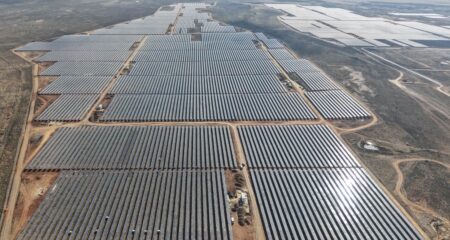
“South Africa’s energy supply is now extremely healthy. Eskom’s principal challenge is how to manage excess supply,” Ispa said. It argued that falling demand for Eskom power “is set to drive up electricity prices”, and that data centres offer the predictable demand to reverse that.
South Africa’s electricity generation fell year on year for a 13th straight month in June, TechCentral reported, and the volumes Eskom loses carry its fixed costs, which pushes tariffs up. Eskom chairman Mteto Nyati told the Financial Times in August that the utility was in talks with “the Amazons, the Microsofts, the Googles”, adding: “We’ve got this power that we cannot sell.”
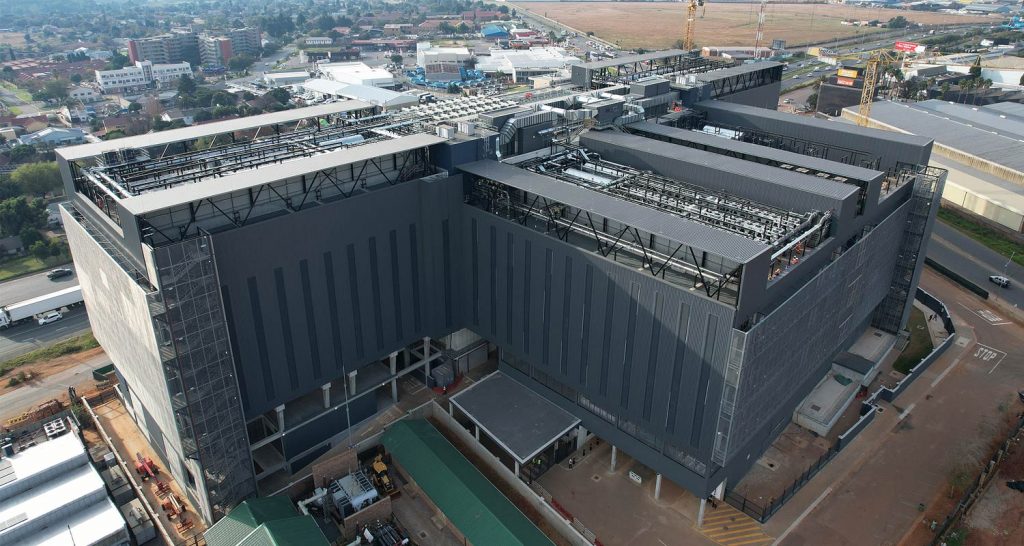
Teraco, the country’s biggest data centre operator, does not want to buy Eskom’s surplus, though; it wants Eskom’s wires to carry power it has contracted elsewhere.
Ispa said operators have a commercial interest in keeping utility bills low, and that new technologies mean usage “is constantly being driven lower than the global average”. Its statement gives no consumption figures to support this.
The Housing Assembly, Foxglove and three other groups said in August that, using “the industry’s standard cooling method”, the Equinix facilities “would consume over 4.4 billion litres of water a year”. Their submission assumes conventional evaporative cooling.
Equinix told Daily Maverick in April that the facilities would use dry, air-based cooling that requires “no water for data hall cooling”. It has also told TechCentral that the site is a “long-term land bank”, that it has no immediate plans to develop it and that it has submitted no planning or development applications.
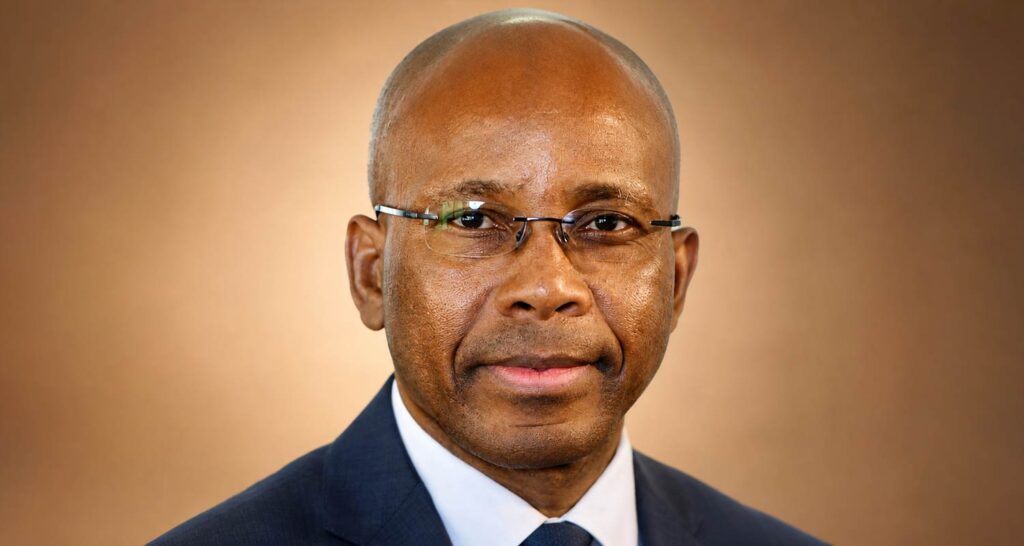
On Monday, Teraco opened what it calls Africa’s first dedicated AI infrastructure innovation lab, at its Isando campus east of Johannesburg, where clients can test liquid cooling “supported by closed-loop water cooling systems”, CEO Jan Hnizdo said. Such systems recirculate the same water rather than consuming it. – (c) 2026 NewsCentral Media