Revenue is growing again, but the bill for replacing US technology is showing up in Huawei’s margins.
Revenue is growing again, but the bill for replacing US technology is showing up in Huawei’s margins.




Eskom’s profit more than doubled to R30.3-billion, but electricity sales fell 6.2% and municipal arrears passed R111-billion.

Electricity theft and unrecognised municipal revenue together exceed the utility’s entire annual profit.
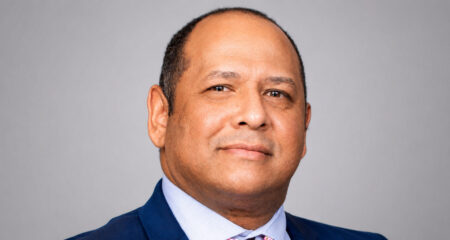
Eskom has confirmed R36.8-billion of irregular expenditure relating to prior years, restated outside the financial statements.

MTN GlobalConnect is changing its name to Bayobab as the wholesaler gears up to serve a broader market.

Sustained load shedding has been devastating for the South African economy and the telecoms industry, Vodacom Group CEO Shameel Joosub said.

China’s Great Wall Motors (GWM) is bringing the Ora electric car to South Africa, and it’ll be the country’s cheapest EV – although it’s still far from cheap.

South Africa is ahead of its target for cutting emissions of greenhouse gases.

Altron’s ability to deliver double-digit revenue growth is evidence of its strong annuity and defensive earnings base, CEO Werner Kapp said.
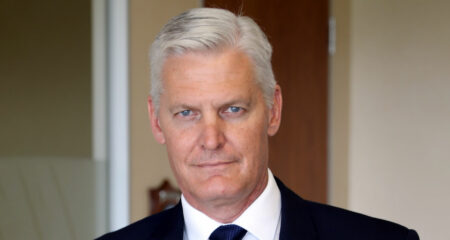
The public enterprises minister undermined upper management, disrupting efforts to end the nation’s energy crisis, said former CEO André de Ruyter.

Google aims to power its data centres and offices solely with renewable energy by 2030, its CEO said, becoming the biggest company in the world to commit to ditching coal and natural gas power.

Nvidia’s $40-billion agreement to acquire ARM is likely to meet strong opposition from Nvidia’s chip industry rivals, analysts say, with murmurs of protest already emerging in South Korea and China.

ByteDance abandoned the sale of TikTok in the US on Sunday to pursue a partnership with Oracle that it hopes will spare it a US ban while appeasing China’s government, people familiar with the matter said.
Nvidia will buy UK-based chip designer ARM from Japan’s SoftBank Group for as much as US$40-billion, the companies said on Monday, in a deal set to reshape the global semiconductor landscape.

The capacity of today’s wireless communications networks has increased a million-fold since the introduction of the first cellular network in 1957. But this improvement isn’t due to improving connectivity technologies such as Wi-Fi, 2G, 3G and so on, which

Government should make better use of regulatory tools and legislation to foster a more competitive environment in South Africa’s pay-television industry rather than requiring that conditional access technology be included in state-subsidised set-top boxes. That’s the