


Early next year, the European Union’s highest court is expected to rule on one of the Internet’s most controversial topics: the right to be forgotten. The judges should curb their ambition.
Early next year, the European Union’s highest court is expected to rule on one of the Internet’s most controversial topics: the right to be forgotten. The judges should curb their ambition.

TechCentral’s interview with Brett and Mark Levy, the co-CEOs of Blue Label Telecoms, was by far TechCentral’s most popular podcast in September 2018, according to statistics from platform partner iono.fm.

Consumers and businesses are in for a shock at the pumps, with the petrol price set to rise by 99c/l on Wednesday.

We have a great show this week. On TalkCentral, Duncan McLeod and Regardt van der Berg chat about spectrum licensing getting into high gear and Elon Musk’s latest troubles, plus plenty more.
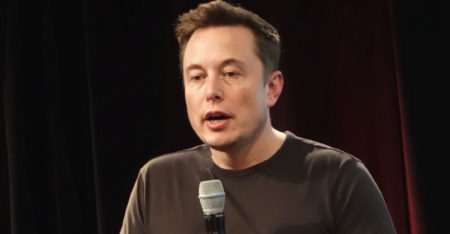
Elon Musk will give up the role of Tesla chairman and pay a $20-million penalty to settle fraud charges brought by the US over his claims about taking the company private.
Facebook’s worst-ever security breach is a major blow to the company’s effort to rebuild trust with users of the social network after a privacy scandal in March.

Apple’s iPhones shouldn’t be banned from the US even though they infringe a patent owned by Qualcomm, a US International Trade Commission judge found on Friday.

The CSIR’s report on how much spectrum the agency believes should be assigned to government’s planned wholesale open-access network has finally been released.

The failure of Eskom to adopt sound project management strategies could have circumvented billions of rand wasted due to administrative failure and non-compliance.
Facebook has said it discovered a security breach earlier this week that affected almost 50 million accounts. The company said it has fixed the breach, which allowed hackers to take over people’s accounts.