Despite global trends towards consolidation, unique conditions across sub-Saharan Africa call for infrastructure specialisation, according to SES.
There is a trend towards consolidation in the telecommunications sector, largely driven by rising infrastructure costs and shrinking margins as data overtakes voice as the primary communication medium.
In the African context, MTN Group’s recent announcement that its tower infrastructure assets — previously relinquished in 2021 — would be brought back in-house through the purchase of IHS Towers for about US$2.2-billion is a case in point. MTN cited the internalisation of margins paid to IHS as one of the benefits of the deal.
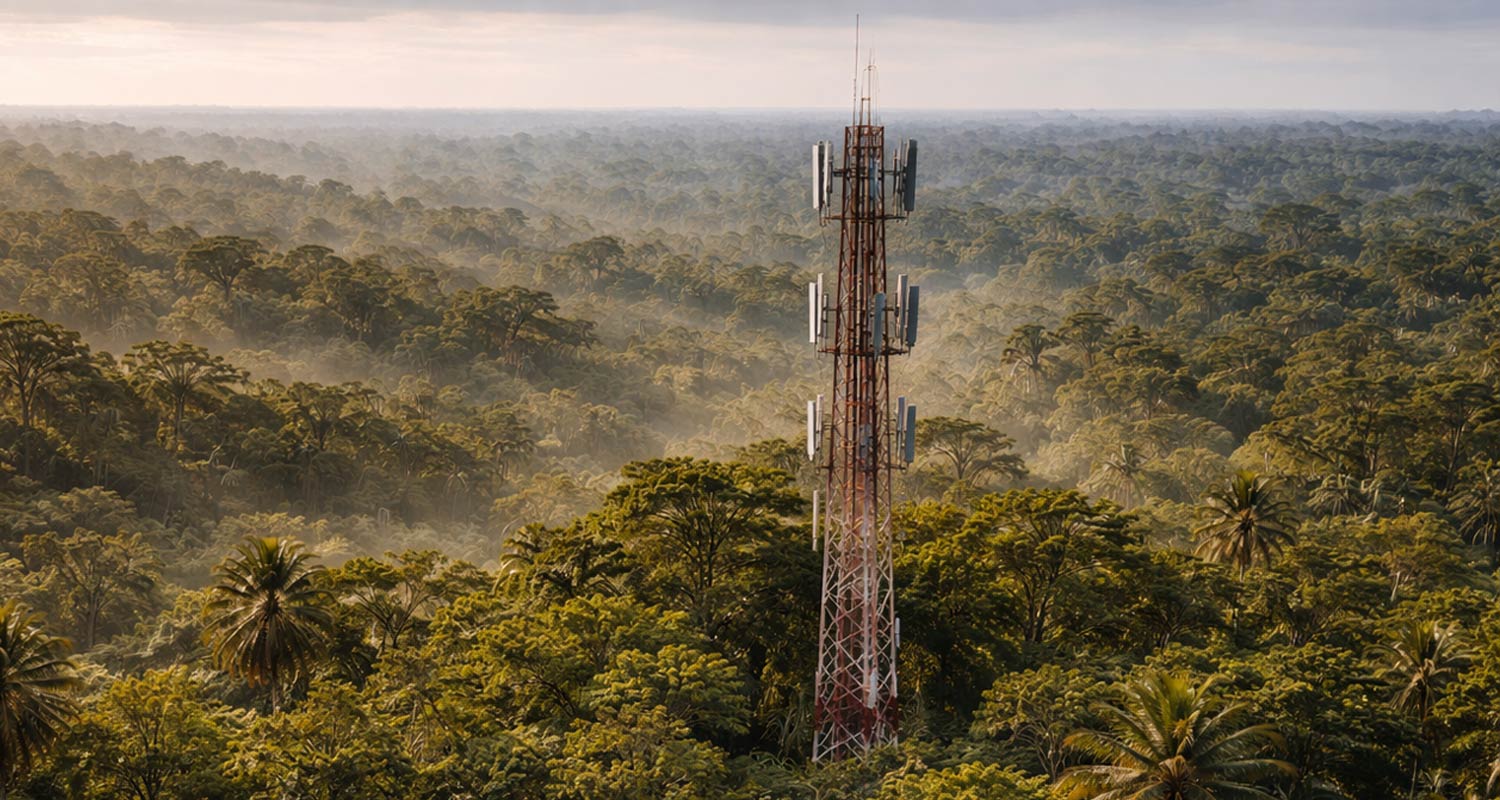
Financial benefits notwithstanding, the day-to-day chore of managing infrastructure is a task mobile network operators (MNOs) would rather not concern themselves with. This is especially true on the African continent, where issues related to backup power, vandalism and the difficulty of accessing rural sites make tower management far more challenging than in more developed markets.
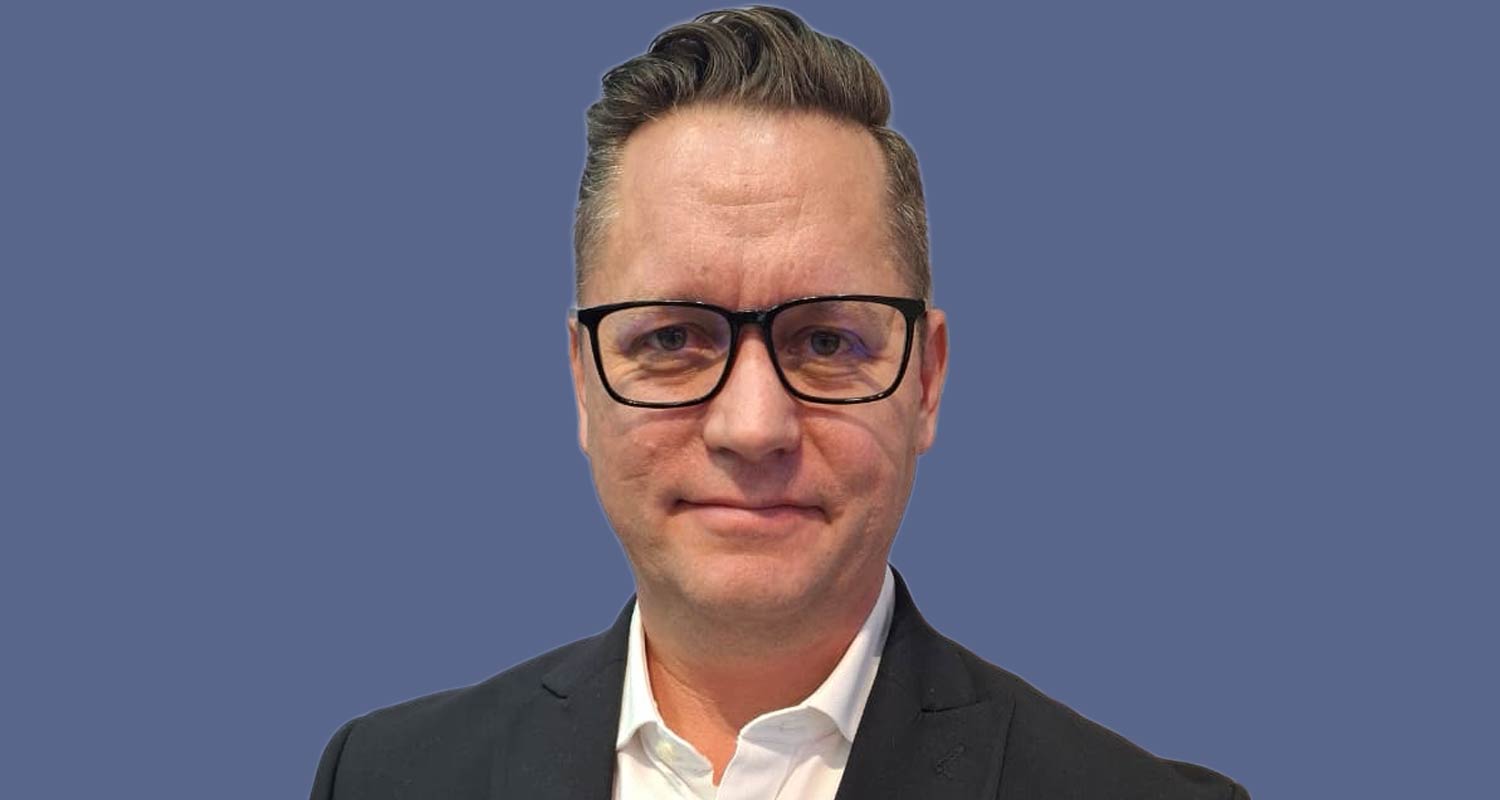
“If you speak to most MNOs … the networks are irrelevant to them. They want to make sure they can provide a service to their markets and that it is profitable,” said Hans Geldenhuys, director at SES Africa, in an interview with TechCentral at Mobile World Congress in Spain last week.
“So, for them to go and build a specific core satellite team, manage that, and then build infrastructure and maintain it, spend capex on it — they are not interested in that.”
Stark disparities
SES is a provider of satellite-backed managed communications infrastructure services for MNOs across sub-Saharan Africa. A typical SES site features radio equipment, a solar panel for power and a transponder/receiver connecting the site to either a low-Earth-orbit, medium-Earth-orbit or geostationary orbit satellite. The choice to operate in all three orbital planes gives SES customers the option to deploy a variety of services based on their needs at specific sites, according to Geldenhuys.
SES operates across the entire continent, confronting stark disparities between countries — and often within them, too. While major cities across the continent enjoy 5G connectivity, vast stretches of rural Africa remain unconnected. Roads are impassable in the wet season, the power grid is absent and mobile signals are non-existent. Closing that gap demands specialist skills — engineers and logistics teams who can build and maintain infrastructure in places so remote that equipment sometimes has to be transported by rowboat.
Read: Africa’s internet is about to change forever – thanks to a satellite arms race
“Building out that ground network is critical. It’s not just putting a site down — it’s the towers, the power and various other aspects around it. You wouldn’t believe the extent some of our installers have to go through because some of these areas are so remote,” said Geldenhuys.
Many of the remote communities where SES builds sites are receiving mobile connectivity for the first time. Vandalism is the first major challenge. Beyond that, when things do go wrong, getting an engineer to the site to fix the problem is often a logistical ordeal in itself.
Power is another issue. In the past, diesel was used to service sites where the grid is non-existent, but diesel requires constant refilling. Today, it serves as a secondary backup to solar power. Since serving a small village requires far less capacity than a dynamic urban environment, rural high sites typically consume far less power. Each site is built to spec depending on an MNO’s requirements.
“The Nigerian market is different to, say, the DRC, so we focus on what the requirement is to ensure that we build the right solution for them using the technology available to us,” said Geldenhuys.
SES has shifted its approach from static backhaul provider to full-fledged managed service operator. The company doesn’t just sell satellite capacity — it designs networks, procures and ships equipment, manages installations, and operates the infrastructure under long-term service-level agreements. In the DRC alone, SES manages more than 900 mobile sites for Vodacom, spanning terrain that ranges from urban neighbourhoods in Kinshasa to river communities accessible only by boat.
Beyond satellite
It is a model that demands specialists — not generalists who can mount an antenna, but engineers who understand the intersection of satellite physics, power systems and civil infrastructure. A rugged disposition and the ability to get along with strangers are valuable skills, too.
Read: Mupita: LEO satellites here to stay — but rules must keep up
“In the past, we provided access to space on a wholesale basis. The MNOs were responsible for building out networks and maintaining them. We’ve moved far beyond that. We are now full technology providers,” said Geldenhuys. — (c) 2026 NewsCentral Media
Get breaking news from TechCentral on WhatsApp. Sign up here.