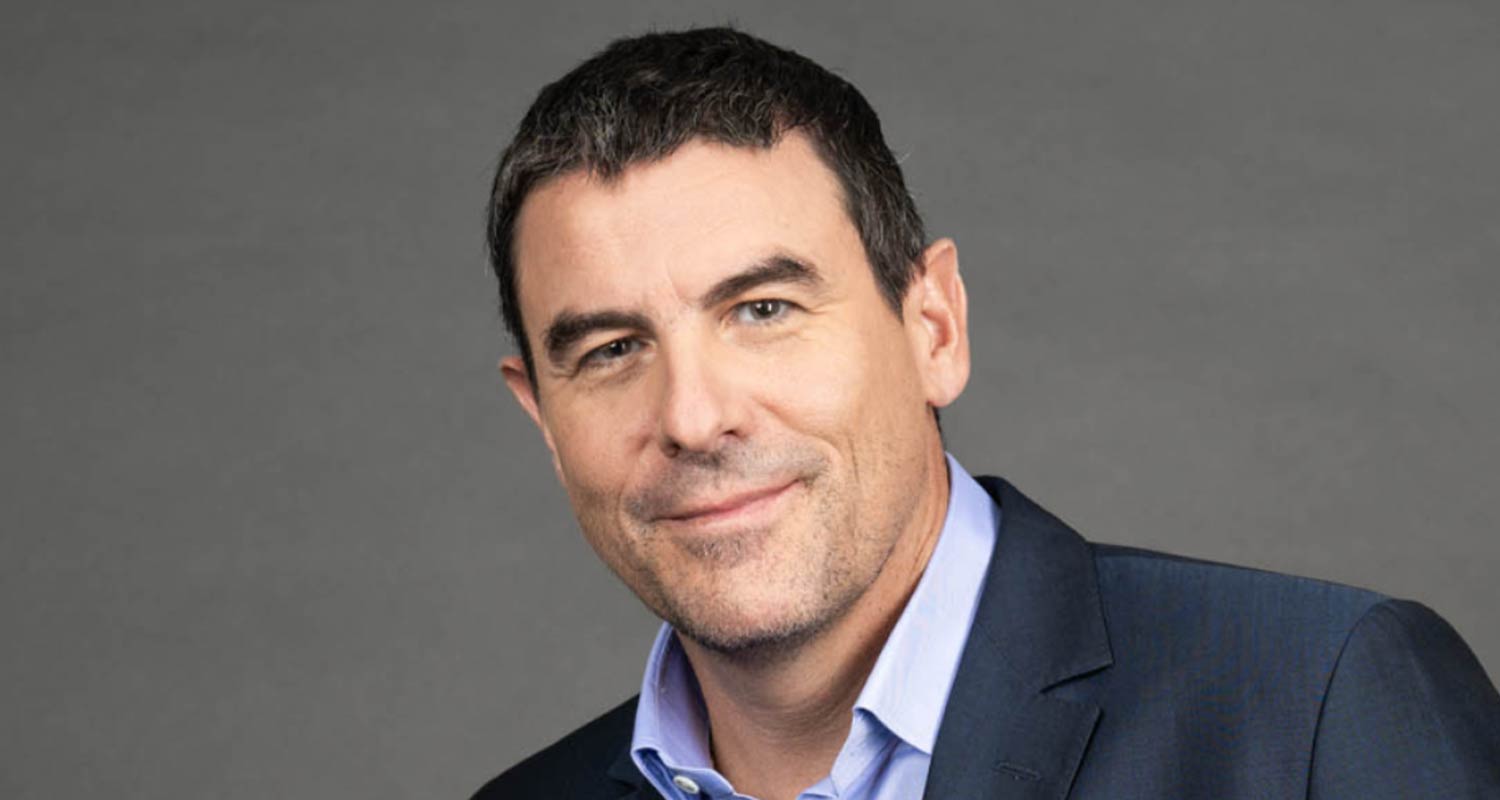
MultiChoice Group CEO David Mignot has confirmed major changes are coming to the loss-making Showmax platform, reaffirming that the current model is not sustainable.
In a wide-ranging interview with TechCentral on Thursday, Mignot said the company “can’t continue” operating the streaming platform as it is today, delivering the clearest signal yet that Canal+ intends to overhaul or replace the service that was once positioned as the centrepiece of MultiChoice’s growth strategy.
“Financially speaking, business-wise speaking, the thing is not flying,” Mignot said.
The comments echo those made by Canal+ CEO Maxime Saada in January, when he said Showmax was “not a commercial success – it’s quite obvious”.
Mignot confirmed that Canal+ is in active discussions with Comcast – which holds a 30% stake in the Showmax joint venture through its subsidiary NBCUniversal – about the platform’s future.
He said a decision would come “quite soon” and stressed that while the current structure is untenable, Canal+ and MultiChoice are not retreating from streaming. “It does not mean that we will be exiting from … streaming – exactly the opposite,” he said. “You just have to see what we are doing in other territories.”
Launch and relaunch
MultiChoice originally launched Showmax in 2015 as one of Africa’s first major subscription video-on-demand platforms, designed to counter the looming threat of Netflix’s expansion into the continent. The service offered a mix of local and international content across more than 40 African markets.
For its first several years, Showmax operated as a modest but functional complement to DStv, offering on-demand content to MultiChoice subscribers and standalone customers. But as the global streaming wars intensified and MultiChoice’s core satellite TV business began to shrink, the company decided to go big.
Read: Canal+ eyes billions of rand in cost savings from MultiChoice deal
In March 2023, MultiChoice announced a partnership with Comcast’s NBCUniversal and Sky to overhaul the platform. NBCUniversal acquired a 30% stake in a new Showmax entity, with MultiChoice retaining 70%. The deal gave Showmax access to NBCUniversal’s Peacock streaming technology and a pipeline of international content from NBCUniversal, Sky, HBO, Warner Bros and Sony, as well as live English Premier League football.
Former MultiChoice executive Yolisa Phahle reportedly projected that the relaunched platform would generate US$1-billion in annual revenue within five years and attract 16 million subscribers – ambitious targets underpinned by the belief that Africa represented the last major frontier for streaming growth.
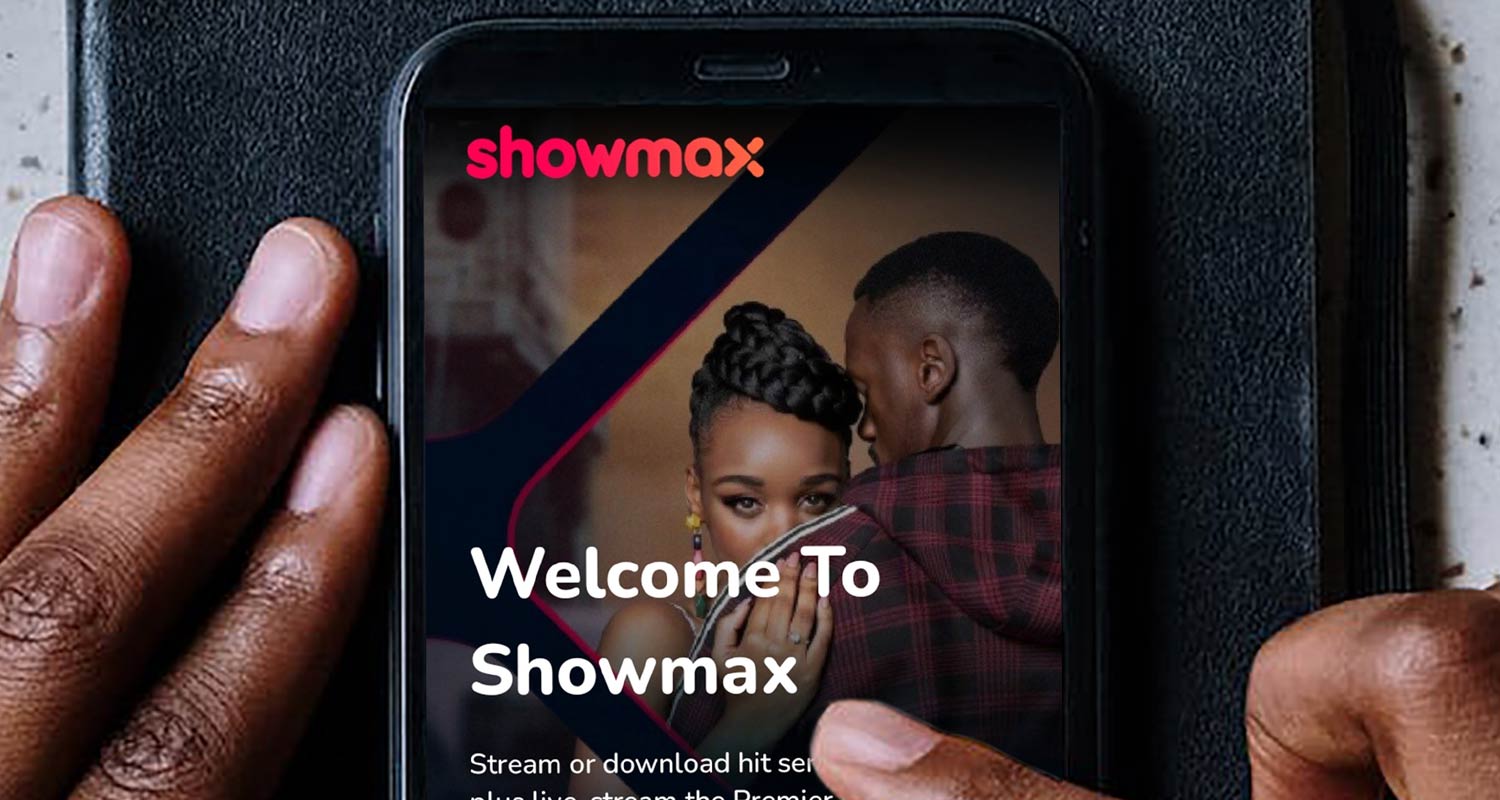
The revamped Showmax 2.0 launched in February 2024 across 44 African markets, featuring a new app, new branding and a three-tier pricing structure, including a mobile-only Premier League plan at R69/month.
But the results were not as expected. As TechCentral reported in June 2024, Showmax recorded trading losses of R2.6-billion for the year ended 31 March 2024. Far from improving, the losses then ballooned by 88% to R4.9-billion in the year ended 31 March 2025. MultiChoice itself conceded that “subscriber growth and revenues were well short of the 2025 targets”.
Showmax’s losses were a major contributor to MultiChoice Group’s trading profit plunging 49% to R4-billion in the 2025 financial year, with the R2.3-billion organic increase in Showmax trading losses weighing heavily on the bottom line.
What comes next
Mignot was careful to distinguish between the Showmax product and joint venture structure on one hand, and Canal+’s broader streaming ambitions on the other.
“There is a difference between the Showmax product and the joint venture and the way the thing has been set up, and our streaming strategy,” he said. “Certainly, we can’t continue as it is. But we will obviously continue to have an OTT (streaming), aggressive and future-focused strategy.”
Read: MultiChoice scraps annual DStv price hikes for 2026
He pointed to Canal+’s own streaming products as a guide to the future direction. In France, the Canal+ app aggregates content from Netflix, Paramount, HBO and Apple, offering subscribers a single interface for multiple services.
Mignot also offered a blunt assessment of why streaming has struggled across Africa more broadly, pointing to fundamental infrastructure constraints that many in the industry have underestimated.

He said there are roughly 600 million smartphones in Africa, but questioned whether consumers can realistically watch hours of content on a mobile device given the cost of data. “The answer is ‘no’. And if you’re putting in a super costly model, it can’t fly.”
He said he has “no example today of success on the mobile-only strategy, not only in Africa, but anywhere in the world” – unless it is bundled with a telecommunications service, as with Jio in India.
The long-term answer, Mignot believes, lies in fibre. He acknowledged that today, barely 4-5% of the roughly 100 million electrified, TV-owning households across the continent have access to fibre.
Read: Canal+ concedes Showmax ‘not a commercial success’
That leaves a vast gap between the streaming future Canal+ envisions and the African market reality – a gap that swallowed billions of rand in Showmax investment and that Canal+ now appears determined not to repeat.
Canal+ will release its first set of combined financial results on 11 March, covering the year ended 31 December 2025, where more detail on the streaming strategy is expected. – (c) 2026 NewsCentral Media
Get breaking news from TechCentral on WhatsApp. Sign up here.