South Africa’s informal economy is heading for a wave of formalisation in which spaza shop owners become multi-store entrepreneurs and cash all but vanishes from the townships, according to Shop2Shop founder and CEO Peter Berry.
Speaking on an investor call on Wednesday, hours after Pepkor announced it would merge its Flash business with Shop2Shop to create a R21.3-billion fintech platform, Berry sketched a picture of an informal retail sector on the cusp of profound structural change – driven by the digital payment and trading platforms now embedded in it.
“In five years, we will see a formalisation of the informal market. You’ll start to see more shop owners owning more than one shop, expanding their businesses. Our platform gives entrepreneurs and shop owners in the informal sector the opportunity to scale their businesses. This will be very powerful going forward,” Berry said.
Pepkor estimates the informal market is worth between R900-billion and R1.5-trillion, with spaza shops alone accounting for a R190-billion market and township fast food – kasi kos – another R90-billion. Yet most of that trade still happens in cash. Berry believes that is about to change, However, he said one thing is standing in the way.
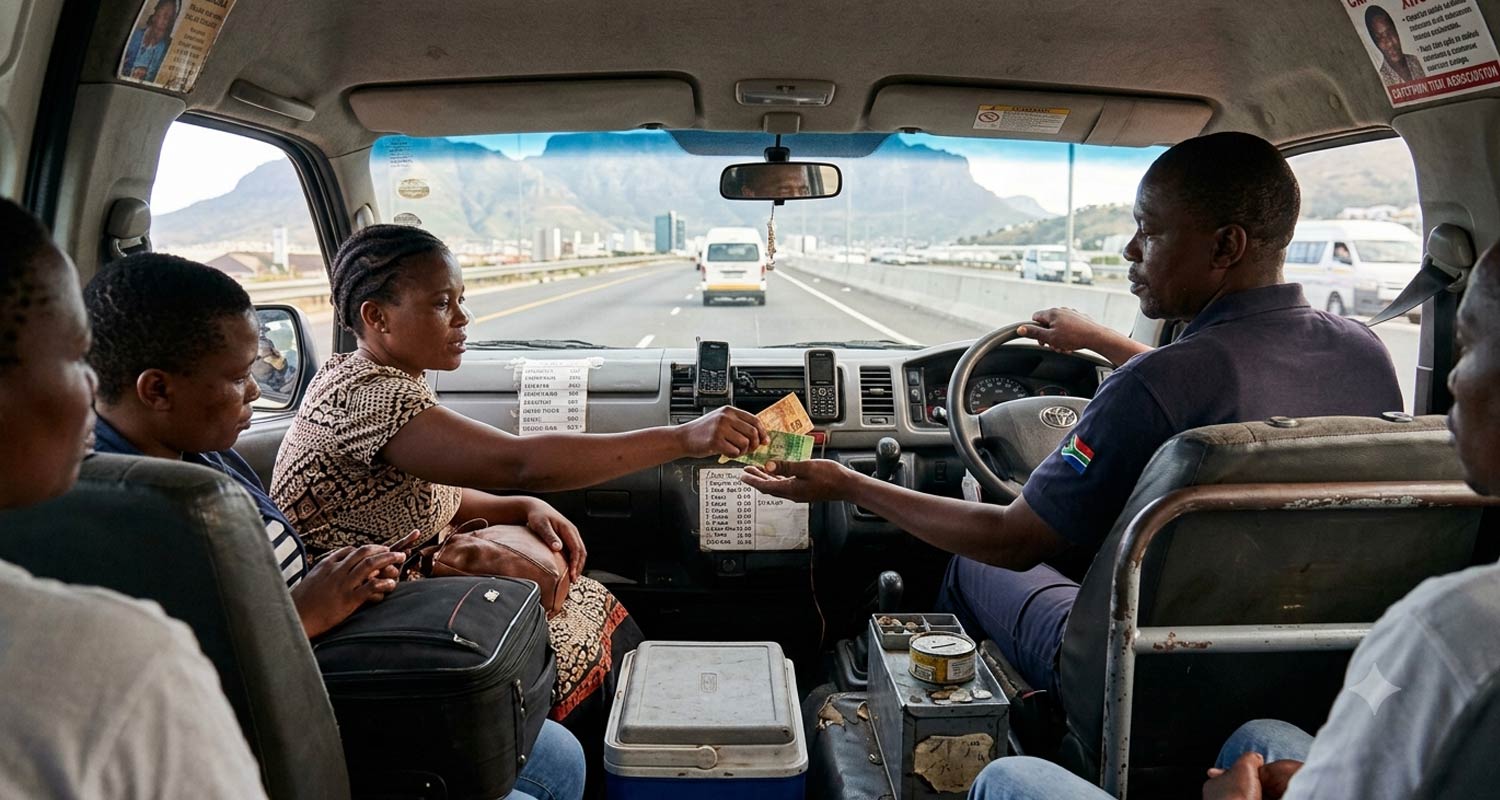
“The digital market in the informal economy is going to grow. Cash is slowly going to disappear. The cash element still largely exists because of taxis. Once that layer is solved (the taxi payments), cash will disappear. We are working hard on that, and we have great teams on the ground,” he said.
The last cash bastion
The taxi industry, which moves millions of commuters daily and runs almost entirely on cash, effectively anchors the demand for physical notes and coins across the townships: as long as commuters need cash for transport, traders must handle it, too. Berry did not give details of Shop2Shop’s work on taxi payments beyond confirming that teams are “on the ground”.
The numbers Shop2Shop presented on the investor call suggest the shift away from cash is already well under way. Money digitised into its ecosystem – through cash-accepting smart safes and its Tap2Pay card acquiring devices – has grown from R58-billion in the year to March 2023 to R172-billion in the year to March 2026, a compound annual growth rate of 44%. Card payments’ share of that inflow has risen from 30% to 40% over the same period.
Read: South Africa went cashless – except for the millions who didn’t
The company serves 177 000 traders with 114 000 acquiring devices and 2 900 cash-counting safes, and processed R131-billion in supplier payments in the last 12 months. “Ordering stock and paying suppliers is by far the most used feature,” Berry said, describing the combined service offering as “a financial management system for small businesses” rather than simply a payment system.
Berry said the Covid-19 pandemic provided the first digitisation shock to informal trade; the next wave, he argued, will come from traders themselves.
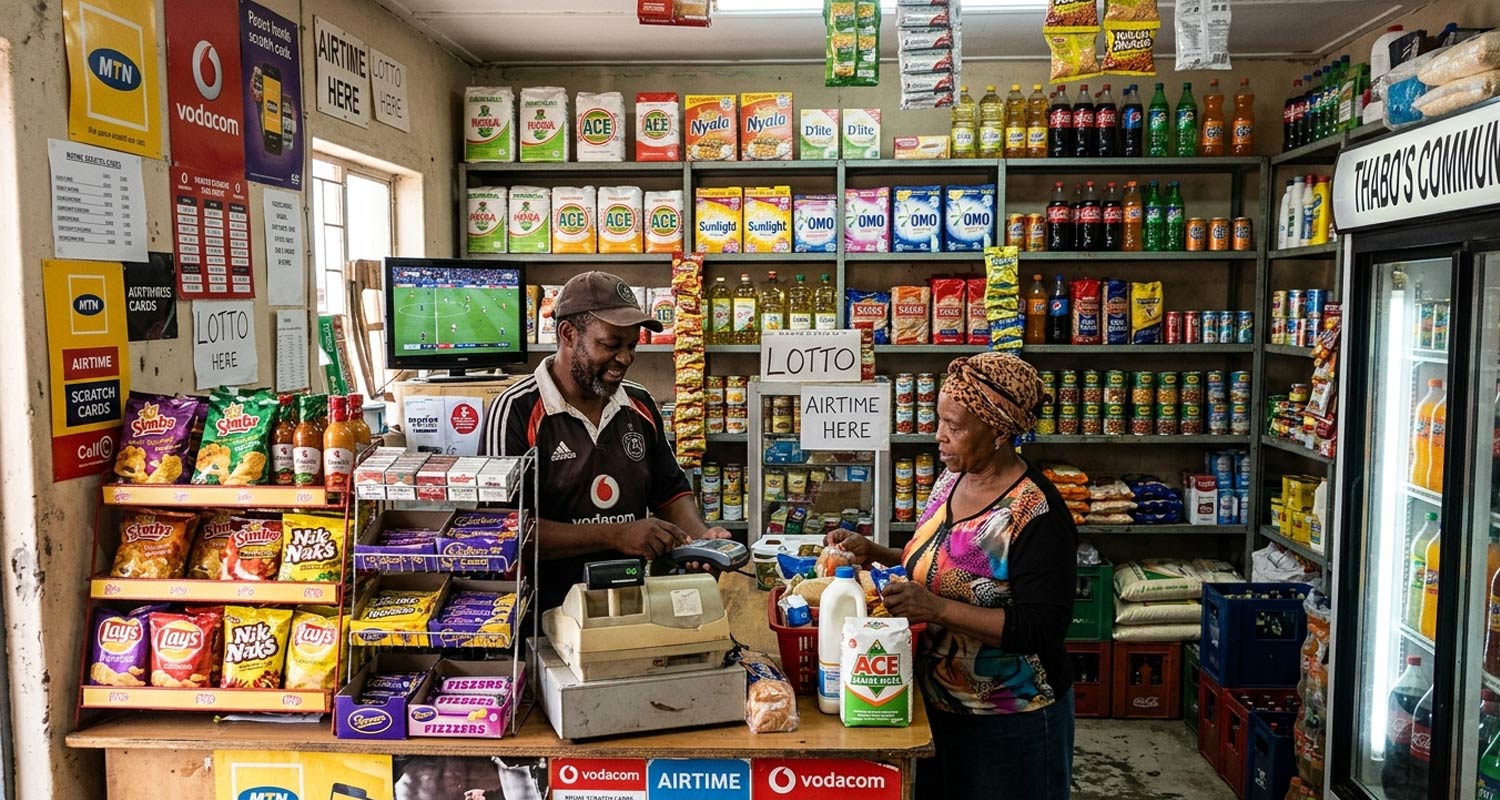
“We got the tailwinds from Covid, which digitalised the informal market; the next wave will be entrepreneurs digitalising their own businesses. They can do all of their bookkeeping and transactions natively in our app. I think this market ends up looking similar to the Chinese market where most payments are digitalised. We are well positioned to take advantage of that,” he said.
That is where the tie-up with Flash comes in. “Shop2Shop is a payments business, Flash is a digital vending business; put them together and the sum is far greater than its parts. The two companies together can provide a far greater service to our customers, and that is what excites me,” Berry said.
The combined business, provisionally dubbed FintechCo, will process more than R200-billion in annual throughput. Pepkor will hold a controlling 57.1% interest, with Shop2Shop’s shareholders and founders holding the remaining 42.9%, and it plans to list the entity separately in the medium term.
The transaction also slots into Pepkor’s broader financial services ambitions, including its planned entry into banking. Pepkor chief commercial officer Garth Napier told investors that the group’s banking venture, PlusB, will operate as a separate entity alongside FintechCo. The question it will solve, he said, is: “How do we make it easy and seamless for customers to transact between the informal, digital and formal economies?” — © 2026 NewsCentral Media
- Subscribe to TechCentral’s daily newsletter
- Get breaking news alerts on WhatsApp