

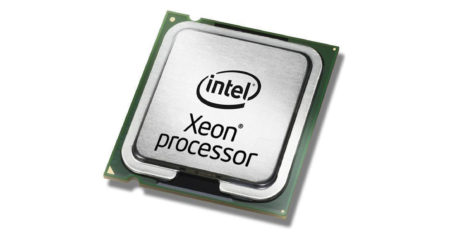
Intel, which had been the biggest beneficiary of a years-long, multibillion-dollar spending spree by the cloud computing industry, signalled an end to an expansion that drove record revenue and profit.
Intel, which had been the biggest beneficiary of a years-long, multibillion-dollar spending spree by the cloud computing industry, signalled an end to an expansion that drove record revenue and profit.
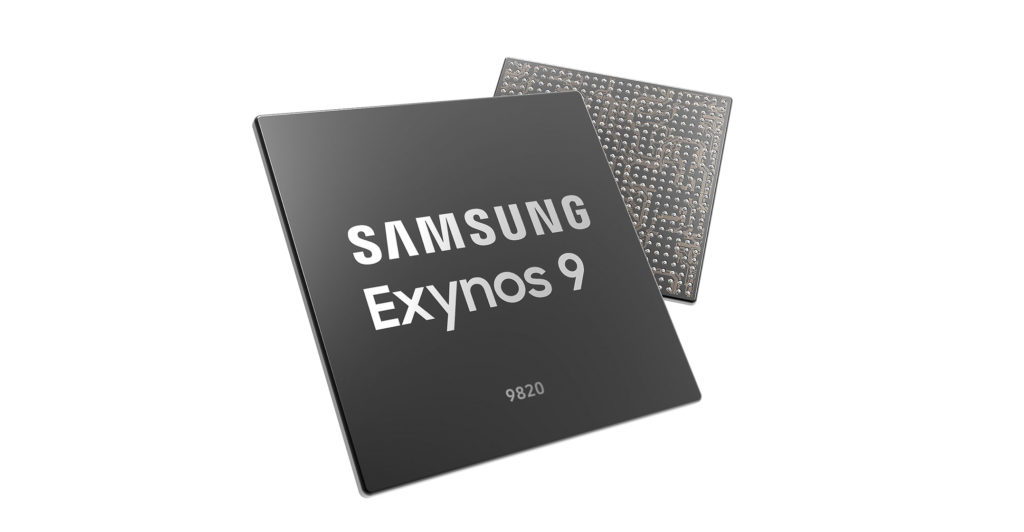
Samsung Electronics intends to invest the equivalent of about R1.7-trillion over the next decade or so to take on Intel and Qualcomm in the business of making advanced chip processors.
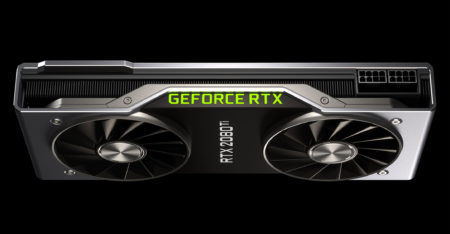
Semiconductor stocks fell in early trading on Monday after Nvidia cut its fourth-quarter revenue outlook, citing deteriorating macroeconomic conditions, particularly in China, along with weakness in its gaming and data centre divisions.
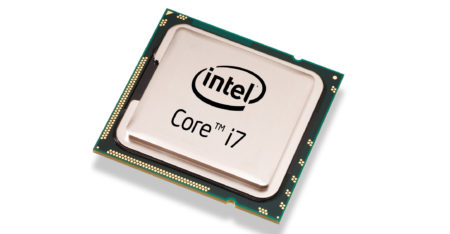
Intel’s first forecasts for 2019 sent a signal to investors that a torrent of spending on data centres, which has nourished sales and earnings growth for years, is beginning to dry up.
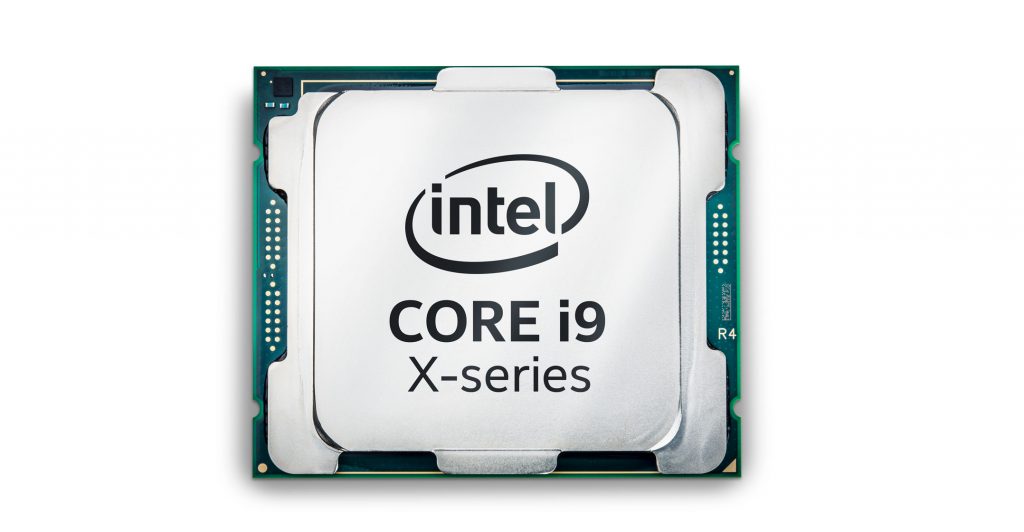
Intel has been trying to fill the most prominent role in the $400-billion chip industry for more than six months. The company’s board still hasn’t found what it’s looking for.
Huawei Technologies unveiled a new processor chip for servers as the Chinese telecommunications gear giant pushes ahead with expansion despite closer scrutiny from abroad.

Amazon.com has taken a big step toward reducing reliance on Intel for a critical component of its cloud computing service.
Either Intel’s somehow immune to the macro meltdown affecting not just chips but multiple areas of the global economy, or the dark clouds just haven’t appeared on its horizon yet.
Intel shares jumped the most since March after a research report stoked optimism about its delayed next-generation manufacturing technology and sent rival AMD tumbling.
Intel fell as much as 8.4% on Friday after executives said a key new chip technology wouldn’t be out until late next year, prompting concerns the company could be vulnerable to rivals.